10 Powerful Medicinal Herbs You Must Grow for a Complete Home Pharmacy
We live in a world where convenience often trumps quality. We rush to the pharmacy for every minor ailment. We treat symptoms rather than looking at the root cause. But there is a better way. You can take control of your health by growing medicinal herbs and cultivating a living pharmacy right in your backyard or on your windowsill.
Let’s be honest. There is something deeply empowering about walking outside to pick a few leaves for a tea that settles a stomach ache or soothes a frayed nervous system. It connects us to the earth. It connects us to history. Most importantly, it gives us access to potent, chemical-free remedies that have worked for centuries.
You do not need a degree in botany to start. You simply need good soil, a little sunlight, and the right selection of plants. This guide covers ten essential herbs that offer the highest return on investment for your health. These are not obscure plants that are impossible to keep alive. They are resilient, effective, and beautiful.
Save this pin to your Pinterest gardening board to easily find it later
1. Calendula (Pot Marigold)
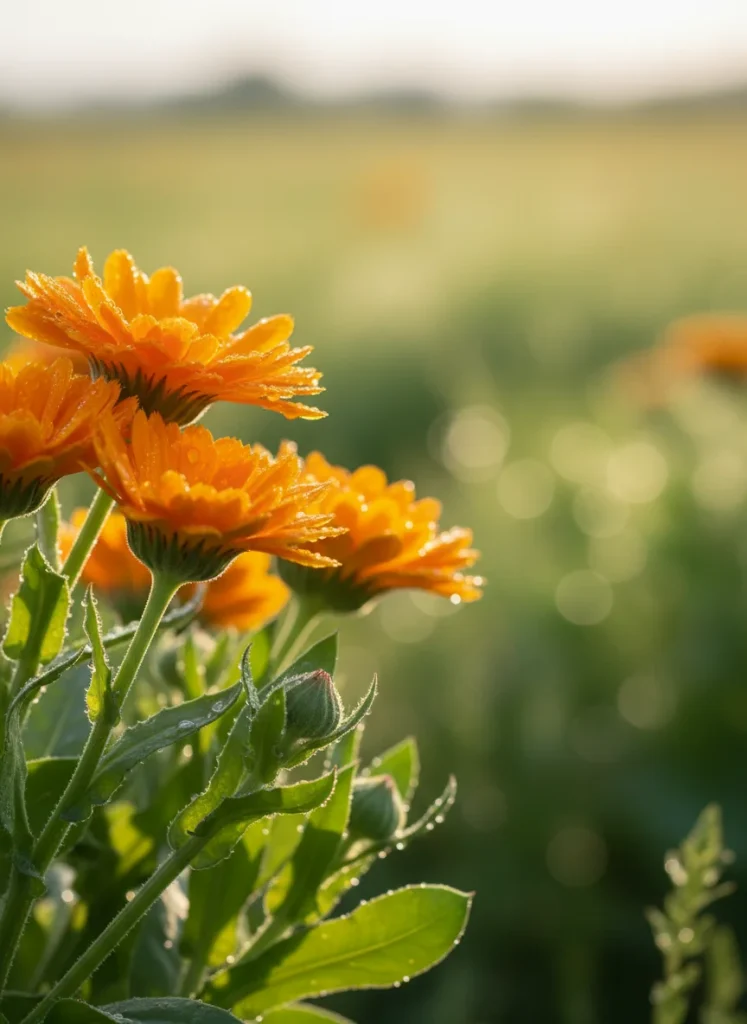
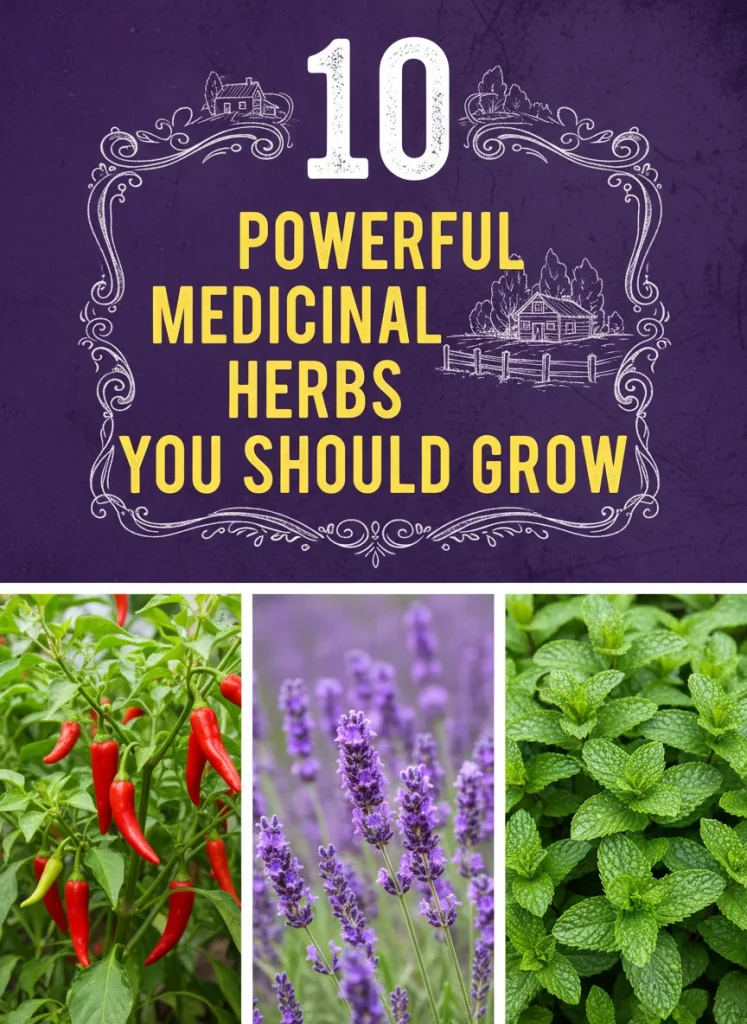
Calendula is the workhorse of the medicinal garden. Do not confuse this with the common ornamental marigold found in bedding trays. You want Calendula officinalis. Its bright orange and yellow flowers are sticky with resin. That resin is where the medicine lives.
This plant is incredible for the skin. It promotes cell repair and reduces inflammation. If you have cuts, scrapes, rashes, or minor burns, Calendula is your first line of defense. It is also antifungal and antibacterial.
How to use it: The most effective way to harness Calendula is by making an infused oil. You simply harvest the flower heads and let them dry completely. Once dry, place them in a jar and cover them with olive oil or almond oil. Let it sit in a sunny window for a few weeks. Strain out the flowers. You now have a potent healing oil that can be used directly on the skin or thickened with beeswax to make a salve.
2. Peppermint
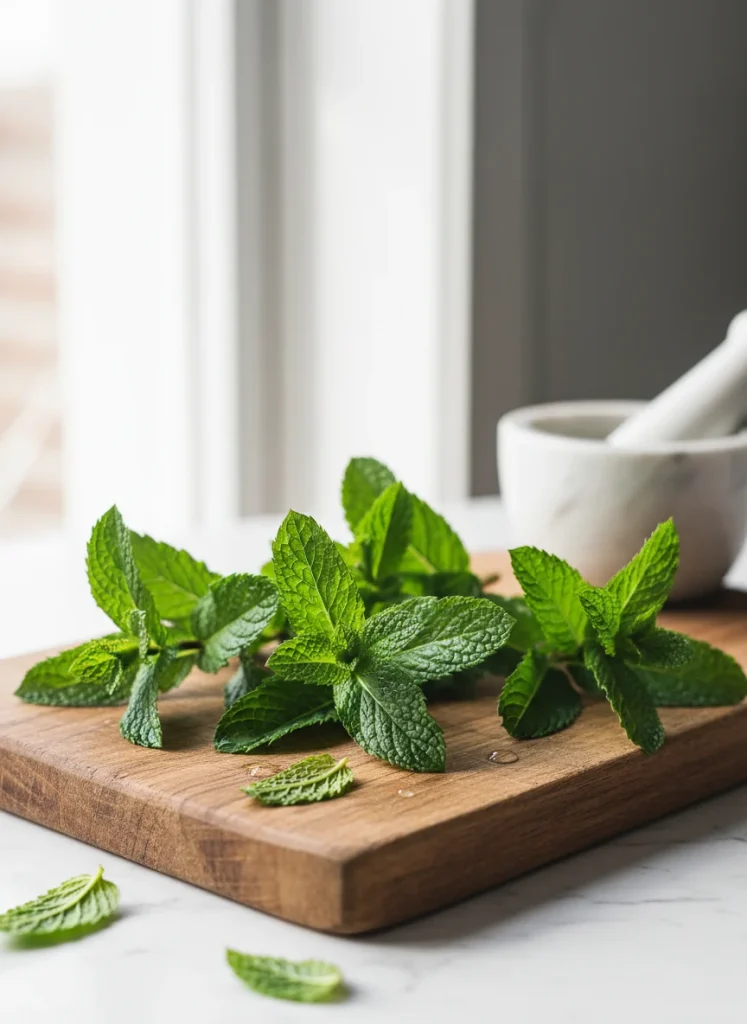
Peppermint is one of the most recognizable flavors in the world. However, the fresh plant is far superior to any flavoring you find in a candy cane. It contains menthol. This compound provides a cooling sensation and acts as a natural muscle relaxant.
This herb is famous for digestion. It calms the stomach muscles and allows gas to pass. It relieves nausea and helps with cramping. Beyond digestion, Peppermint is excellent for headaches. The cooling effect can soothe tension when applied topically or inhaled.
A warning for gardeners: Peppermint is aggressive. It will take over your entire garden if you let it. Always grow mint in a container or a contained raised bed. This is boring, but essential. If you plant it directly in the ground, you will be pulling it out of your lawn for the rest of your life.
3. Echinacea (Coneflower)
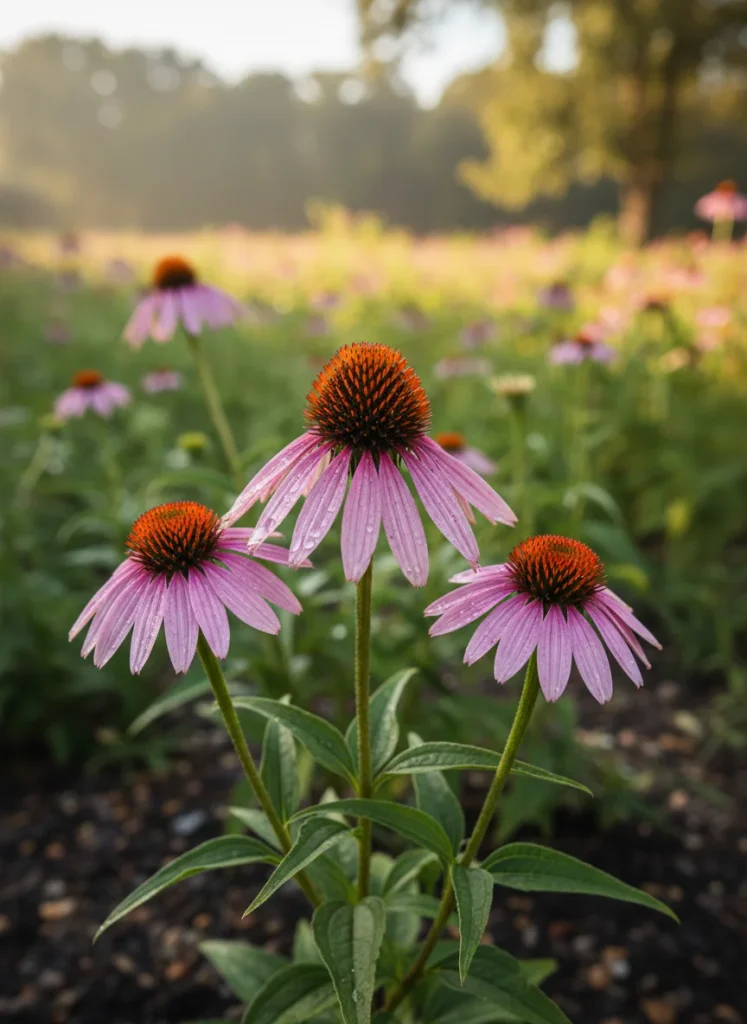
Echinacea is the heavy lifter for the immune system. You likely see it on shelves during flu season. Growing it yourself ensures you have the freshest, most potent parts of the plant. Both the roots and the flowers have medicinal properties, though the roots are generally considered stronger.
This herb boosts the body’s ability to fight off infection. It increases the production of white blood cells. The key with Echinacea is timing. It works best when taken at the very first sign of a cold or flu. If you wait until you are fully sick, it is less effective.
This is often overlooked, but Echinacea is also a beautiful ornamental plant. It attracts pollinators like bees and butterflies. It serves a dual purpose by healing your body and supporting your local ecosystem.
4. Lavender
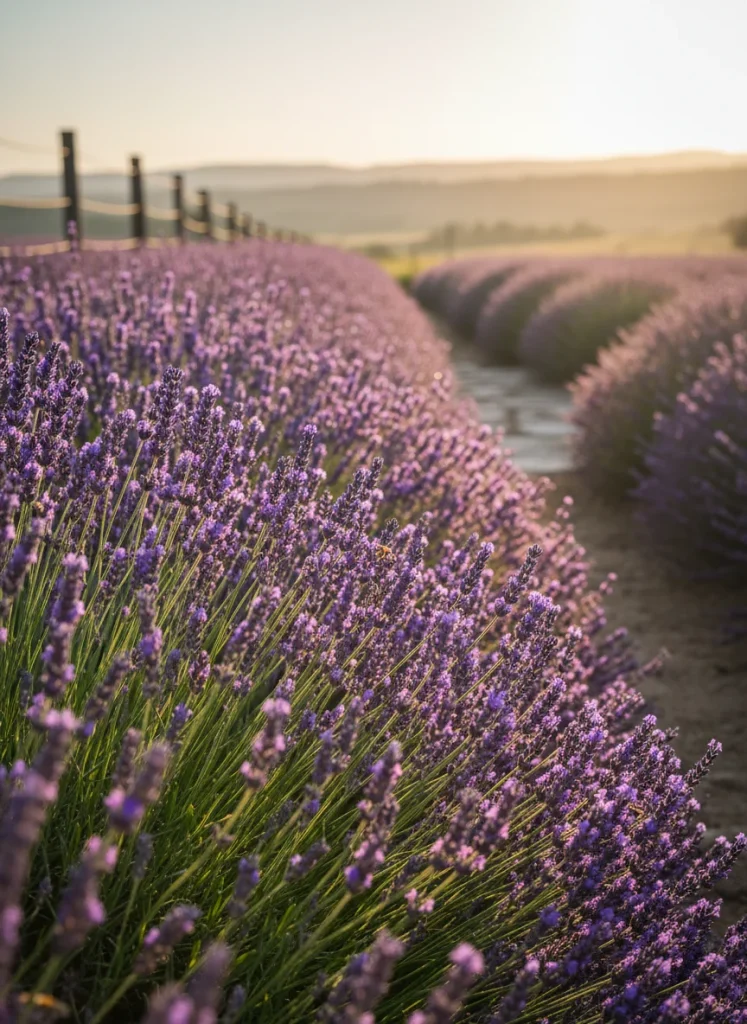
Lavender is synonymous with relaxation. We associate it with spas and sleep, and for good reason. The essential oils in the flower buds have a direct impact on the nervous system. They lower cortisol levels and induce a state of calm.
This herb is vital for anyone dealing with anxiety, stress, or insomnia. A tea made from dried lavender buds can help you drift off to sleep. However, its benefits go beyond the brain. Lavender is also antiseptic and anti-inflammatory. It can be applied to bug bites or minor burns to stop itching and speed up healing.
Lavender requires full sun and very well-drained soil. It hates having “wet feet.” If your soil is heavy clay, mix in some sand or grit to keep the roots happy.
5. Lemon Balm
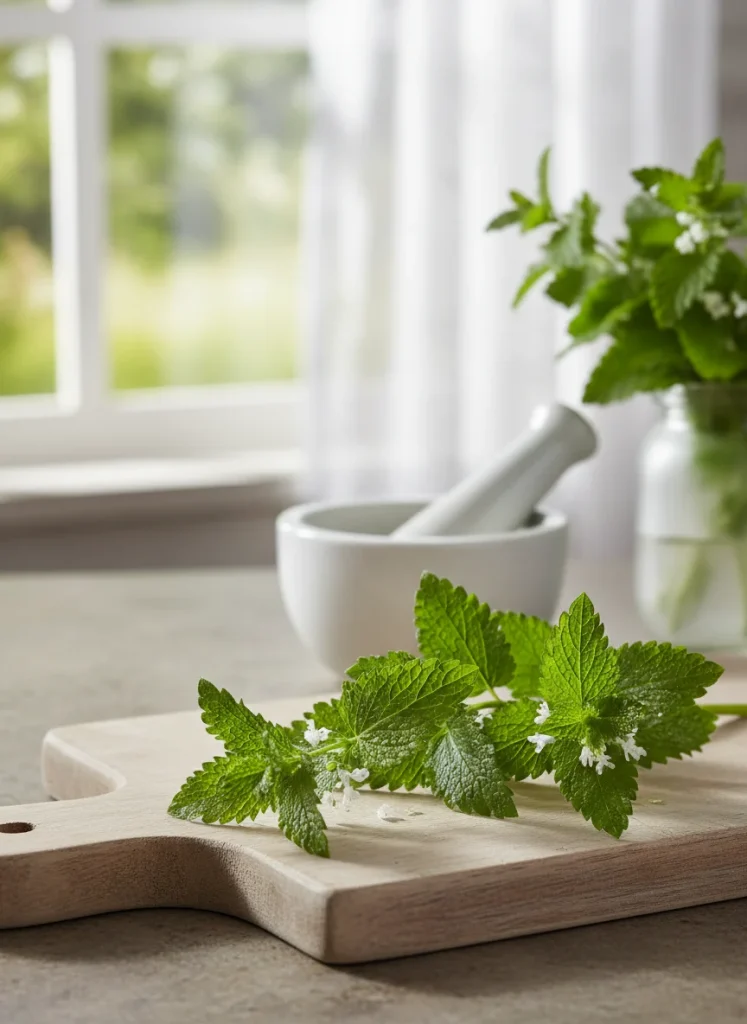
Lemon Balm is a member of the mint family. It shares the vigorous growth habit of mint, so give it plenty of space. Historically, it was known as the “gladdening herb.” It lifts the spirits and improves mood.
This plant is a gentle sedative. It is perfect for children or anyone who feels restless. It settles a nervous stomach and helps with digestion. One specific and powerful use for Lemon Balm is fighting viruses. It is particularly effective against the herpes virus which causes cold sores. Applying a Lemon Balm cream or strong tea to a cold sore can drastically reduce healing time.
6. Holy Basil (Tulsi)
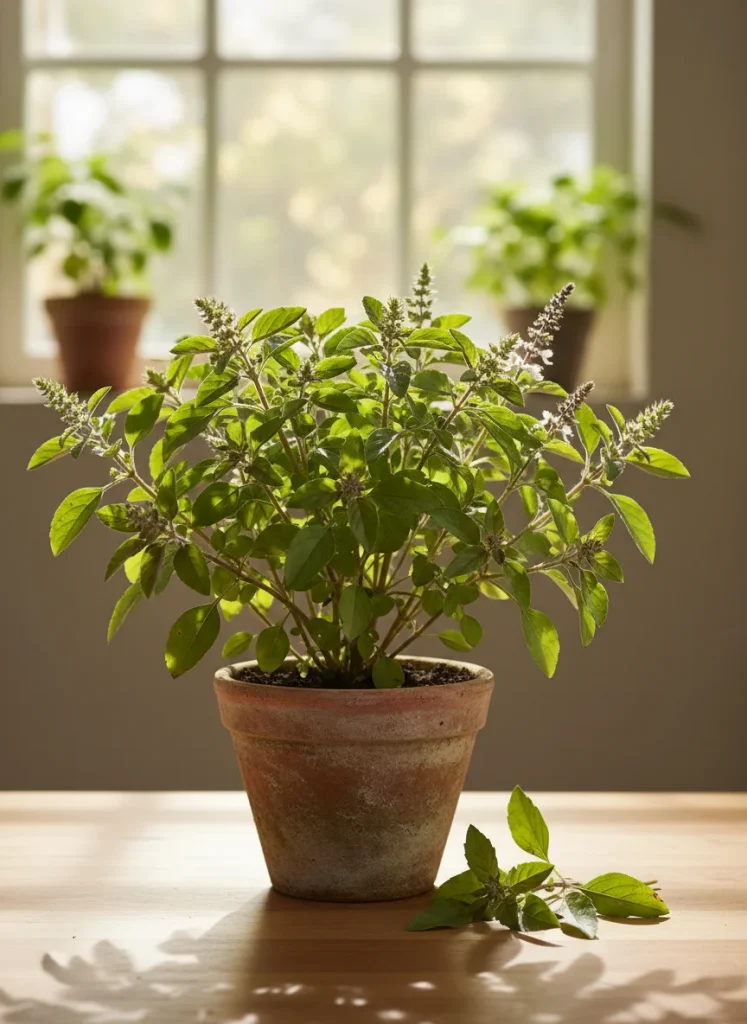
Holy Basil, also known as Tulsi, is revered in Ayurvedic medicine. It is classified as an adaptogen. This might sound like a complex term, but the concept is simple. Adaptogens help your body adapt to stress. They bring you back to balance.
If you are stressed, Tulsi calms you down. If you are fatigued, it gives you a gentle boost without the jitters of caffeine. It supports the immune system and respiratory health. It is excellent for clearing congestion in the chest.
There are different varieties of Tulsi, such as Rama, Krishna, and Vana. They all have slightly different flavors ranging from spicy to sweet. All of them are highly medicinal and make a delicious daily tea.
7. Sage
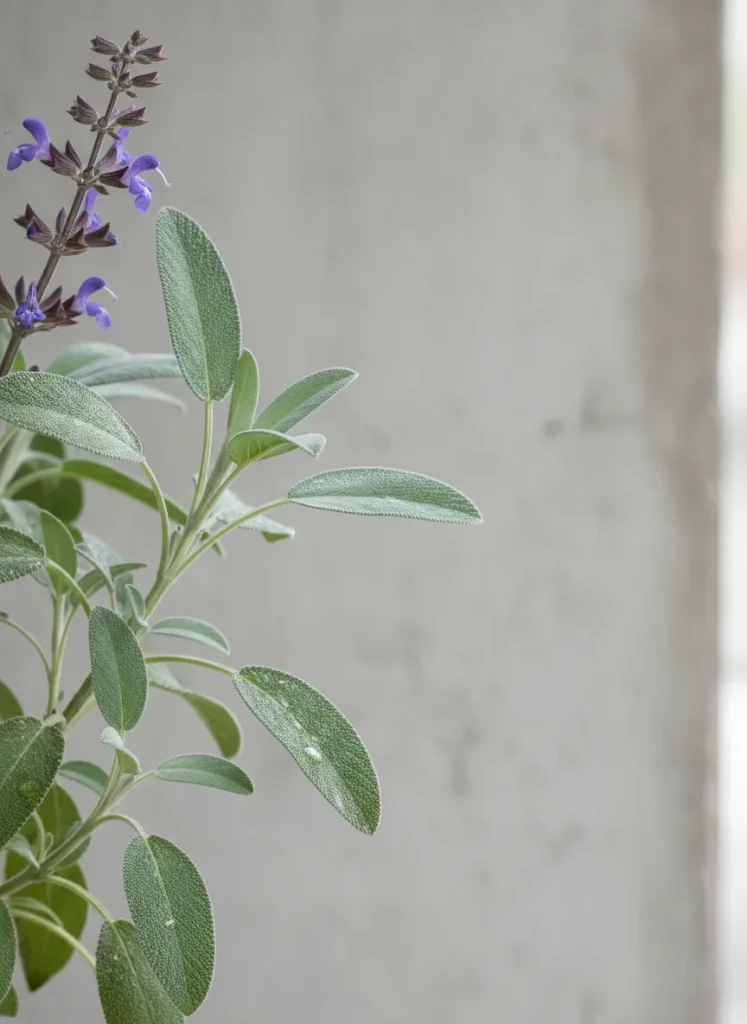
We usually think of Sage as a seasoning for holiday dinners. It is much more than that. Sage is astringent and antiseptic. This means it tightens tissues and kills bacteria.
Here is the reality of Sage. It is the absolute best remedy for a sore throat. If you feel that scratchiness starting in your throat, gargle with a strong Sage tea. It kills the bacteria on contact and soothes the inflammation. It is also helpful for drying up excessive secretions, such as a runny nose or excessive sweating.
Sage is a hardy perennial. It looks like a small shrub with grey-green leaves. It stays green through most winters, providing you with medicine year-round.
8. Thyme
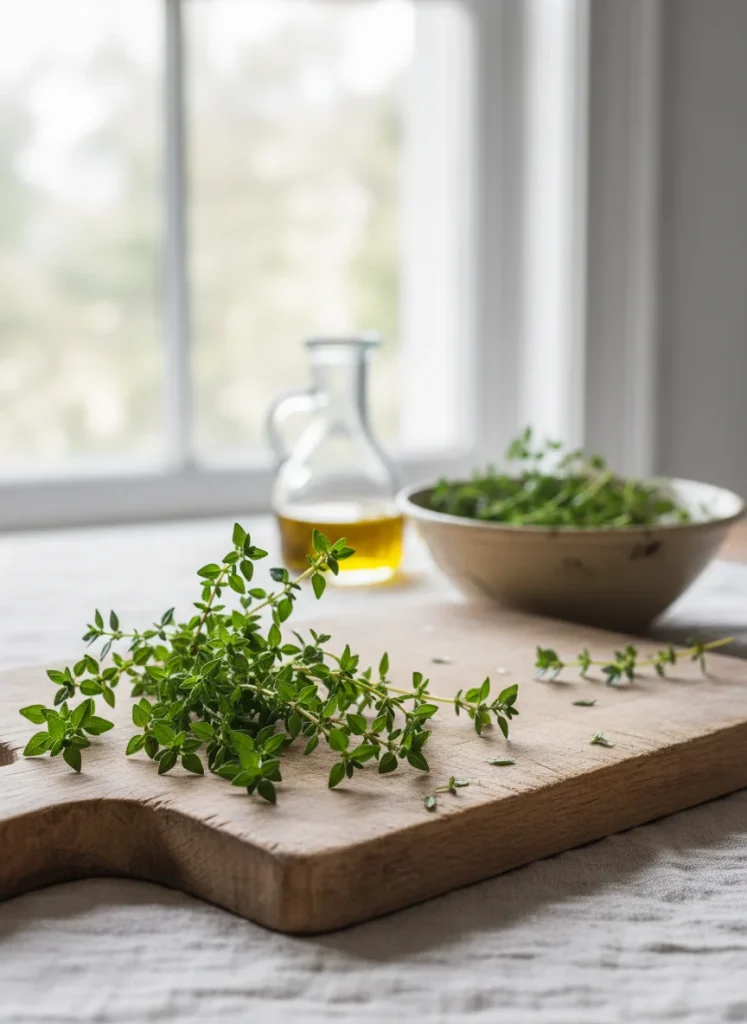
Thyme is a tiny plant with massive power. Its primary medicinal compound is thymol. Thymol is a potent antimicrobial agent. It fights bacteria, viruses, and fungi. This is why you often find thymol listed as an ingredient in mouthwashes and hand sanitizers.
Thyme has a special affinity for the lungs. It is excellent for deep, wet coughs. It helps the body expel mucus. If you have a chest infection, a steam inhalation with Thyme is incredibly effective. Simply place a handful of fresh or dried Thyme in a bowl, pour boiling water over it, cover your head with a towel, and breathe in the steam.
9. Yarrow
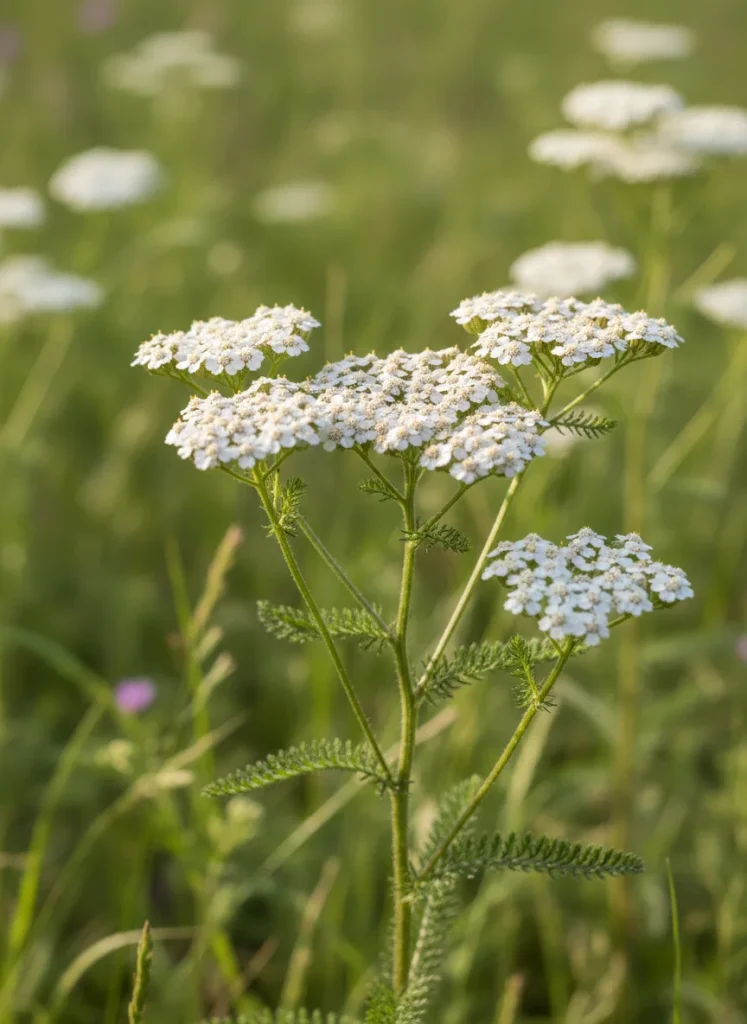
Yarrow is a plant that every gardener should know. It has feathery leaves and flat clusters of white or pink flowers. Historically, it was used on battlefields to stop bleeding. It is a powerful styptic. If you cut yourself while gardening, crushing a Yarrow leaf and applying it to the wound will stop the bleeding almost instantly.
Internally, Yarrow is used for fevers. It induces sweating. This helps the body break a fever naturally. It is also useful for colds and flu. Like Lemon Balm and Peppermint, Yarrow is easy to grow and tolerates poor soil conditions well.
10. Chamomile (German)
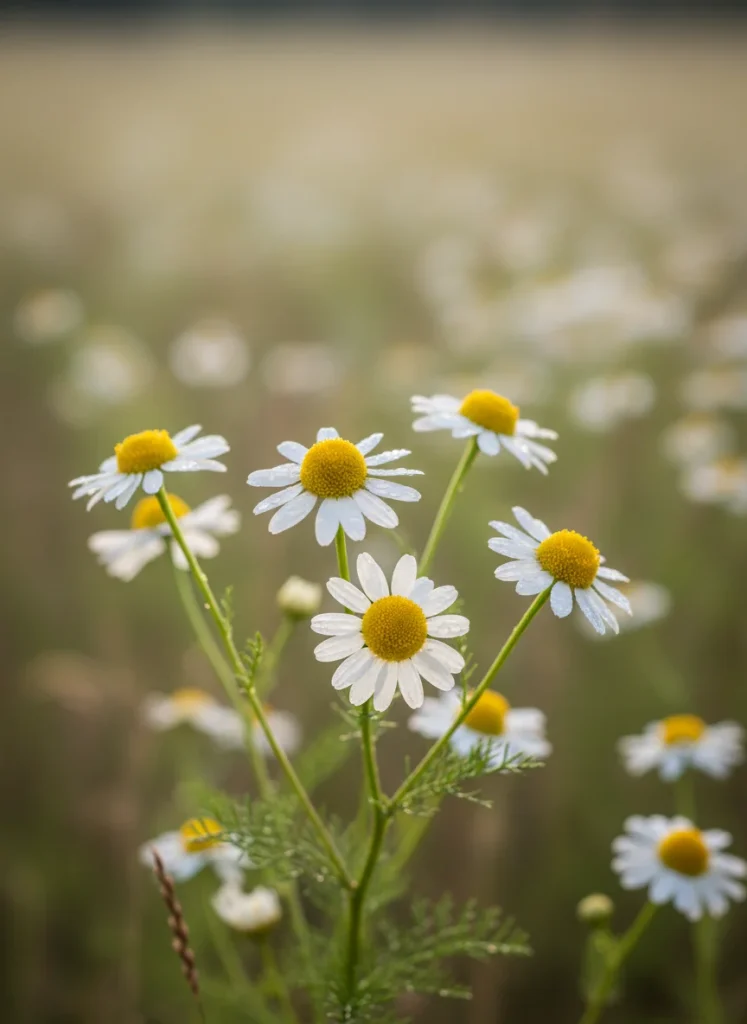
Chamomile is the gentle healer. It is safe for babies, the elderly, and everyone in between. We mostly know it as a sleep aid. It works by relaxing the smooth muscles in the body. This is why it helps you sleep, but it also explains why it is so good for digestion.
It relaxes the digestive tract. This relieves cramping, gas, and colic in infants. It is also an anti-inflammatory. You can use cooled Chamomile tea as a wash for irritated eyes or inflamed skin.
The flowers look like tiny daisies. They smell like apples when you crush them. Harvesting them is a tedious task because they are so small. Boring, but essential. You need to pick them when the flowers are fully open for the best potency.
Bonus: The Kitchen Medicine Cabinet
You do not always need a separate medicinal garden. Many culinary herbs are potent medicines in disguise.
Oregano
Oregano is a powerhouse. It has some of the highest antioxidant levels of any herb. It is strongly antibacterial and antifungal. Oil of Oregano is often used to fight off serious infections. Eating the fresh herb regularly supports your overall immune health.
Dill
Dill is famous for pickles, but it is also a digestive aid. It helps with heartburn and hiccups. Chewing on a few Dill seeds can freshen your breath and settle your stomach after a heavy meal.
Final Thoughts
Starting a medicinal garden is a journey. You do not need to plant all ten of these at once. Pick one or two that resonate with your specific needs. Maybe you need better sleep. Start with Chamomile and Lavender. Maybe you are prone to colds. Start with Thyme and Echinacea.
Here is the reality of growing your own medicine. It requires patience. It requires you to pay attention to the seasons. But the reward is total independence and a deeper understanding of how your body interacts with the natural world. Period.
Read Next
How to Grow a Lemon Tree Fast: The Ultimate Home Guide
How to Attract More Earthworms to Your Garden Naturally
5 Clever Spots You Have Probably Never Thought to Put a Plant