20 Foods That Cleanse the Liver Naturally (Detox & Healing)
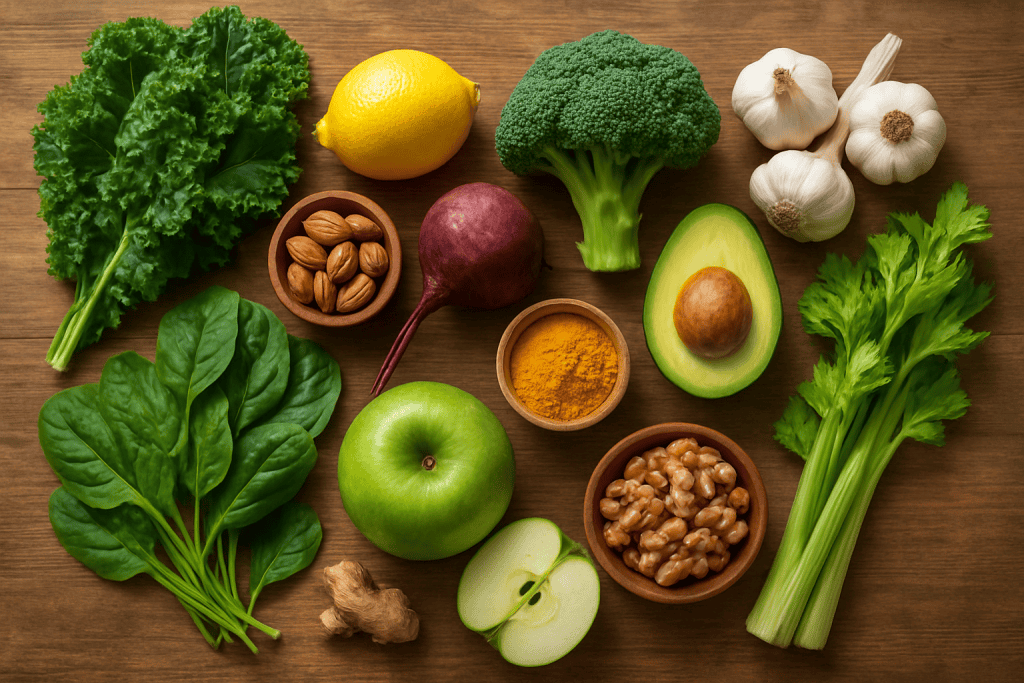
Disclosure: This article includes affiliate links. If you click and make a purchase, I may earn a small commission at no extra cost to you. It helps support this site and allows me to keep creating helpful content.
When you hear the word “detox,” where does your mind go?
For many, it conjures images of expensive juice cleanses, restrictive starvation diets, or supplements promising to scrub your insides clean in 24 hours. There is a pervasive industry built on the idea that our bodies are dirty engines requiring a manual flush.
But the truth is far more elegant—and free.
Your body is already equipped with a detoxification system more sophisticated than any pharmaceutical product on the market. It is a relentless, biological chemical plant comprising your kidneys, skin, lungs, digestive tract, and, most importantly, your liver. This three-pound organ works silently, day and night, filtering blood, neutralizing environmental toxins, and metabolizing drugs.
The problem isn’t that we need to “buy” a detox; it’s that our modern environment—laden with processed sugars, sedentary habits, and environmental pollutants—can overwhelm the liver’s capacity to keep up.
You don’t need a cleanse that leaves you hungry. You need to fuel the machinery. Incorporating nutrient-dense foods provides the raw materials your liver needs to perform its detoxification pathways efficiently.
Here are 20 foods that act as tools for your body’s natural healing process.
The Cruciferous Powerhouses
If the liver had a favorite food group, it would likely be the cruciferous family. These vegetables are rich in glucosinolates, sulfur-containing compounds that give them their pungent aroma and bitter bite. When you chew them, these compounds break down into biologically active byproducts that kickstart enzyme production.
1. Broccoli and Broccoli Sprouts
Think of broccoli as a broom for your cells. It increases the organic glutathione levels in the body—often called the “master antioxidant.” Research suggests that broccoli sprouts, in particular, contain concentrated amounts of sulforaphane, a compound that boosts the liver’s ability to flush out carcinogens.
2. Brussels Sprouts
While they may be polarizing at the dinner table, Brussels sprouts are elite detoxifiers. They have been shown to increase levels of detoxification enzymes specifically in the liver and lungs, acting as a shield against oxidative damage.
3. Cauliflower
Like its green cousins, cauliflower provides sulfur compounds essential for Phase II detoxification. This is the stage where the liver takes a toxic molecule, binds it to a protein, and makes it water-soluble so it can be safely excreted.
4. Cabbage
Whether fermented in sauerkraut or eaten raw in slaw, cabbage helps stimulate enzyme activity that flushes out toxins. The fermentation process in sauerkraut also adds probiotics, supporting the gut-liver axis—a crucial connection, as a healthy gut reduces the toxic load the liver has to manage.
The Roots of Recovery
Beneath the soil lie some of the most potent medicinal foods available to us. These roots and bulbs pack a concentrated punch of flavor and healing properties.
5. Garlic
Garlic is small but mighty. It activates liver enzymes that help your body flush out toxins. It also holds high amounts of allicin and selenium, two natural compounds that aid in liver cleansing. The trick? Crush or chop the garlic and let it sit for a few minutes before cooking to activate the beneficial enzymes.
Practical tip: For optimal liver support, consuming 1-2 raw garlic cloves daily is considered therapeutic. If the taste is too intense, mincing it finely and mixing with olive oil or honey can make it more palatable.
6. Beets
If you’ve ever juiced a beet, you know how powerful its pigment is. That deep red color comes from betalains, antioxidants that reduce inflammation and protect liver cells. Beets also naturally thin the bile, allowing it to move more freely through the liver and small intestine, carrying the toxic “trash” out with it.
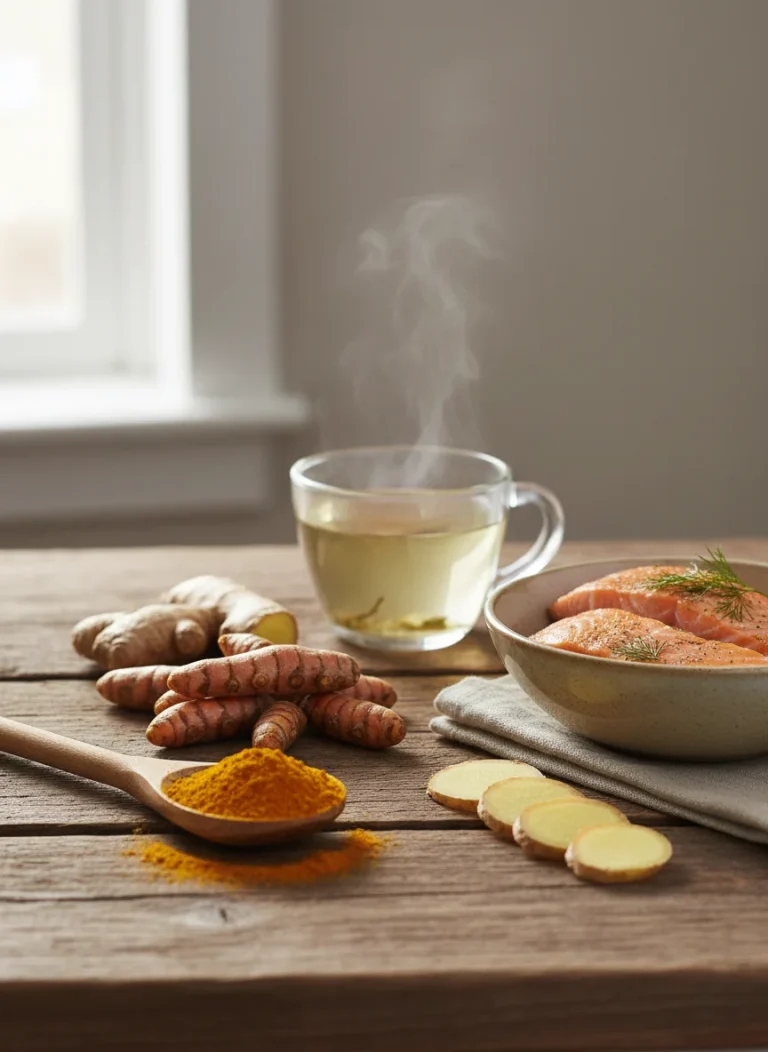
7. Turmeric
This golden spice is perhaps the most researched anti-inflammatory food on the planet. Its active compound, curcumin, has been shown to protect the liver against toxin damage and even regenerate damaged liver cells. It also boosts bile production, which is essentially the liver’s waste disposal system.
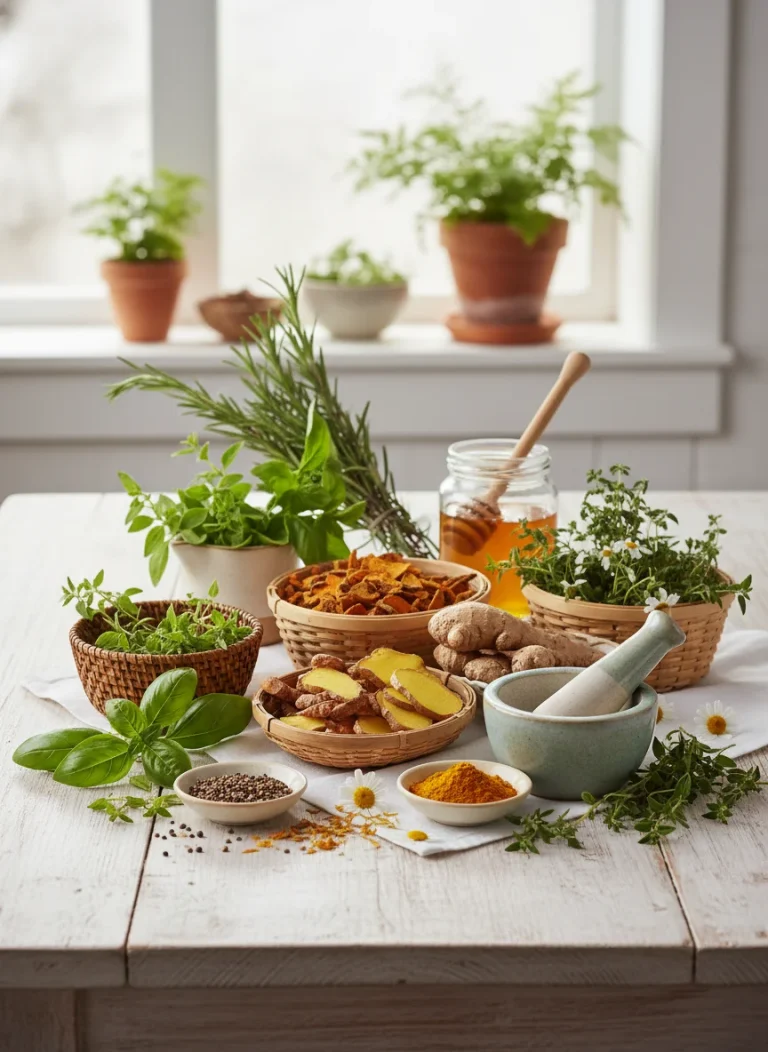
Important note on bioavailability: Curcumin alone is poorly absorbed by the body. To maximize its liver-protective benefits, always consume turmeric with black pepper (which contains piperine, increasing absorption by up to 2000%) and healthy fats. The traditional combination found in many herbal preparations optimizes this synergy.
8. Ginger
Ginger is famous for soothing the stomach, but it plays a role in the liver, too. It contains gingerols and shogaols, compounds that inhibit inflammation and protect against cellular damage caused by alcohol or environmental toxins.
Dosing matters: While cooking with ginger provides benefits, therapeutic liver support typically requires more concentrated amounts—roughly 1-2 grams of fresh ginger daily. This is where understanding proper herbal protocols becomes valuable.
The Bitter Truth: Greens & Herbs
In modern diets, we have largely bred the bitterness out of our food in favor of sweetness. However, for the liver, bitter is better. Bitter flavors stimulate reflex signals that turn on digestive juices and bile flow.
9. Dandelion Greens
Often dismissed as a weed, dandelion is a liver tonic used in herbal medicine for centuries. The greens act as a diuretic, helping the kidneys filter blood, while the root stimulates the liver. It is nature’s way of “wringing out the sponge.”
Traditional use: Herbalists have long prepared dandelion as both a preventative and therapeutic remedy. The root is typically consumed as a decoction (boiled tea), while the leaves can be eaten fresh or dried. Understanding when to use the root versus the leaf, and in what quantities, is crucial for targeted liver support.
10. Spinach
Spinach is loaded with glutathione and chlorophyll. Chlorophyll, the pigment that makes plants green, can essentially neutralize heavy metals and chemicals, acting as a protective mechanism for the liver.
11. Arugula
The peppery bite of arugula is a sign of its potency. Like other cruciferous leafy greens, it stimulates healthy bile flow.
Fruits That Fight Back
Not all fruit is created equal when it comes to liver health. We are looking for low-sugar, high-antioxidant options.
12. Grapefruit
Grapefruit contains two primary antioxidants: naringenin and naringin. These compounds naturally protect the liver by reducing inflammation and preventing cells from turning fibrotic (scarred).
Note: If you are on medication, check with your doctor, as grapefruit can interact with how the liver processes certain drugs.
13. Blueberries and Cranberries
These berries contain anthocyanins, antioxidants that give them their deep blue and red colors. Studies have demonstrated that keeping these berries in the diet significantly increases immune cell response and antioxidant enzymes in the liver.
14. Avocado
Who knew healthy fats were a detox tool? Research suggests avocados contain chemicals that may reduce liver damage. They are also rich in glutathione, which the liver requires to filter out harmful substances.
15. Lemons and Limes
Starting your day with warm lemon water isn’t just a wellness trend; there is logic to it. Citrus fruits are high in Vitamin C, which helps the body synthesize toxic materials into substances that can be absorbed by water.
Beverages, Fats, and Proteins
16. Coffee
It sounds counterintuitive, but coffee is one of the best beverages you can drink for liver health. Multiple studies have shown that drinking coffee lowers the risk of cirrhosis and permanent liver damage in people with chronic liver disease. It prevents the buildup of fat and collagen, two main markers of liver disease.
17. Green Tea
Green tea is brimming with plant antioxidants known as catechins. The specific compound EGCG (epigallocatechin-3-gallate) has been widely studied for its ability to improve liver enzyme levels and reduce oxidative stress.
18. Olive Oil
Cold-pressed, extra virgin olive oil is a healthy fat that acts as a lipid base to absorb toxins. By consuming it in moderation, you take some of the burden off the liver. It has also been linked to improved liver enzyme levels and fat control within the organ.
19. Walnuts
Among nuts, walnuts are unique because they contain a high amount of the amino acid arginine, as well as glutathione and omega-3 fatty acids. This trio supports the liver in detoxifying ammonia, a byproduct of protein metabolism.
20. Fatty Fish
Salmon, sardines, and mackerel are rich in Omega-3 fatty acids. These healthy fats are potent anti-inflammatories that prevent fat from building up in the liver and maintain enzyme levels.
Taking Your Liver Health to the Next Level
While incorporating these individual foods into your diet provides significant benefits, many people wonder about optimal combinations, proper dosing, and preparation methods that maximize liver-supporting compounds.
The challenge with food-based liver support: Knowing what to eat is one thing—understanding how much, how often, and in what combinations to achieve therapeutic effects is another entirely.
For example:
- How much turmeric do you need daily for actual liver regeneration versus just culinary flavor?
- Should dandelion root be taken in the morning or evening for optimal bile stimulation?
- Which herbs should never be combined with certain medications?
- What’s the difference between using milk thistle seed versus the extract, and does it matter?
This is where the gap exists between casual healthy eating and strategic herbal liver protocols that have been used therapeutically for generations.
For those serious about comprehensive liver support: A well-researched herbal reference guide eliminates the guesswork. Herbs for Health provides detailed protocols written by experienced herbalists, licensed dietitians, and medical doctors—covering proper dosing, timing, combinations, and safety considerations that go far beyond what any single article can provide.
The guide covers the practical implementation of liver-supporting herbs with the depth needed for real therapeutic benefit, not just surface-level information.
FAQ: Your Liver Health Questions Answered
Q: What is the fastest way to flush your liver naturally?
There is no “instant flush” button, but the fastest way to reduce the burden on your liver is to stop the influx of toxins immediately. This means cutting out alcohol, processed sugar, and unnecessary medications (where safe) for a few days. Combine this with aggressive hydration—drinking water with lemon helps the kidneys filter out the water-soluble waste the liver has processed. Sleep is also critical; the body does its deepest repair work during REM cycles.
Q: What are the 5 super foods for the liver?
If you had to pick just five from the list above, the “super” tier would likely be:
- Garlic: For its selenium and enzyme activation
- Turmeric: For its unrivaled anti-inflammatory properties
- Beets: For blood flow and bile stimulation
- Grapefruit: For naringenin-based cellular protection
- Cruciferous Veggies (Broccoli): For sulforaphane and Phase II detox support
Q: What drink clears the liver?
While no single drink “clears” the organ instantly, coffee is scientifically proven to reduce liver stiffness and damage. For a caffeine-free option, beetroot juice or lemon water are excellent choices to stimulate bile production and support filtration.
Q: Can liver damage be reversed?
The liver is the only internal organ capable of regenerating itself. In the early stages of damage (such as fatty liver or mild inflammation), lifestyle changes and diet can often fully reverse the condition. However, extensive scarring (cirrhosis) is usually irreversible, which is why preventative care through diet is so vital.
Q: How do I know if my liver needs support?
Common signs include persistent fatigue, digestive issues, skin problems (acne, eczema), difficulty losing weight, brain fog, and dark circles under the eyes. If you experience multiple symptoms, consider both dietary changes and consulting with a healthcare provider.
Q: Are herbal supplements safe for liver support?
When used properly, many herbs have centuries of safe traditional use and modern research backing. However, quality, dosing, and potential drug interactions matter significantly. This is why working with properly formulated herbal protocols—created by qualified herbalists and medical professionals—is crucial for both safety and effectiveness.
Conclusion: From Knowledge to Action
Your liver is resilient, forgiving, and incredibly hard-working. But it isn’t invincible.
By shifting your focus from “detoxing” (a temporary fix) to “supporting” (a lifestyle), you change the way your body functions on a cellular level. You don’t need to starve yourself to be healthy. You simply need to crowd out the processed, inflammatory foods with the vibrant, bitter, crunchy, and colorful options nature provided.
Start small. Add a squeeze of lemon to your water, roast some Brussels sprouts for dinner, or sprinkle turmeric on your eggs.
Go deeper. If you want to understand how foods and herbs work together synergistically, learn proper therapeutic dosing, discover timing protocols that maximize effectiveness, and do so safely with professional guidance, Herbs for Health removes the guesswork. It’s a comprehensive resource created by experienced herbalists, licensed dietitians, and medical doctors specifically for people who want to take their liver health seriously.
Your liver will thank you not with a notification, but with clearer skin, better energy, and a stronger immune system.
Ready to take the next step? Discover the complete herbal protocols for liver support here.
Disclaimer: This information is for educational purposes. Please consult a healthcare provider before trying new herbal remedies. Please read our full disclaimer here.