7 Powerful Anti-Inflammatory Herbs Backed by Science
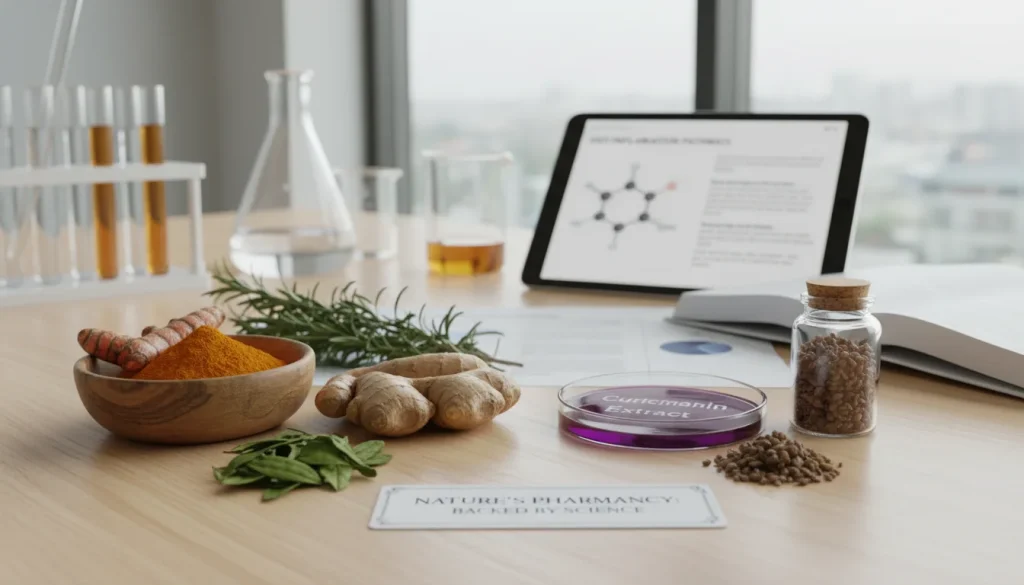
Estimated reading time: 6 minutes
The Science of Natural Inflammation Relief
Chronic inflammation is the silent driver behind many modern ailments, including heart disease, arthritis, and diabetes. While Non-Steroidal Anti-Inflammatory Drugs (NSAIDs) like ibuprofen are effective, they often carry side effects when used long-term. Nature provides potent alternatives that modulate the body’s immune response at a cellular level.
The following herbs do not just mask pain; they inhibit specific inflammatory enzymes (such as Cyclooxygenase and Lipoxygenase) and reduce oxidative stress.
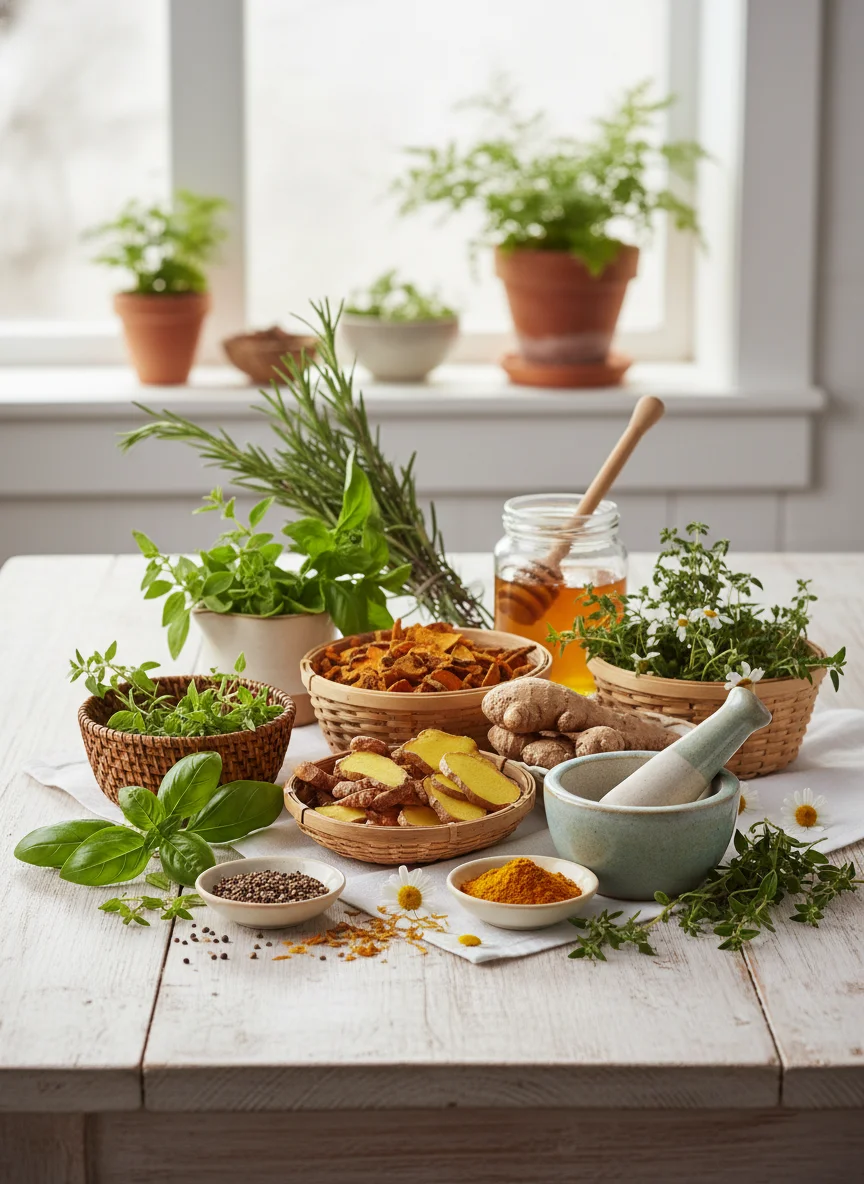
The Top 7 Science-Backed Anti-Inflammatory Herbs:
- Turmeric (Curcumin): The gold standard for systemic inflammation.
- Ginger: Potent for gut health and muscle pain.
- White Willow Bark: Nature’s aspirin.
- Devil’s Claw: The African solution for back pain.
- Boswellia (Frankincense): Targets joint tissue degeneration.
- Green Tea: Cellular protection via antioxidants.
- Rosemary: Reduces tissue swelling and improves circulation.
What is the strongest herb for inflammation?
Turmeric, specifically its active compound Curcumin, is widely considered the strongest natural anti-inflammatory herb available.
Scientific studies indicate that curcumin matches the effectiveness of some anti-inflammatory drugs without the side effects. It works by blocking NF-kB, a molecule that travels into the nuclei of your cells and turns on genes related to inflammation. essentially turning off the inflammation at the source.
Crucial Usage Note: Curcumin is poorly absorbed into the bloodstream. To experience the full benefits, you must consume it with black pepper, which contains piperine. Piperine enhances curcumin absorption by up to 2,000%.
What herb is closest to ibuprofen?
White Willow Bark is the closest natural equivalent to ibuprofen.
The bark contains Salicin, a chemical similar to acetylsalicylic acid (aspirin). When ingested, the body converts salicin into salicylic acid, which lowers the body’s production of Prostaglandins—hormone-like substances that cause pain and inflammation.
While White Willow Bark acts slower than synthetic ibuprofen, its effects generally last longer. It is highly effective for headaches, lower back pain, and osteoarthritis.
What is the African herb for inflammation?
Devil’s Claw (Harpagophytum procumbens) is the premier African herb for inflammation.
Native to the Kalahari Desert, this herb is rich in iridoid glycosides, particularly harpagoside. Research suggests that Devil’s Claw is roughly as effective as Diacerein (a slow-acting drug for osteoarthritis) for hip and knee pain. It works by inhibiting the pathways that signal pain to the brain, making it a staple for treating degenerative joint diseases.
How to reduce inflammation in a toddler?
Safety Warning: Never give toddlers strong herbs like White Willow Bark (risk of Reye’s syndrome) or aspirin.
To reduce inflammation in a toddler, rely on gentle, food-grade remedies and diet changes rather than potent supplements.
- Chamomile: Mildly anti-inflammatory and soothing. It can be given as a weak, cooled tea or applied topically to skin rashes.
- Dietary Changes: Increase intake of Omega-3 fatty acids (salmon, chia seeds) and antioxidant-rich berries.
- Cold Compress: For localized inflammation (bumps or bruises), a cold compress is the safest and most effective immediate treatment.
Always consult a pediatrician before introducing any herbal remedies to a child.
Anti inflammatory herbs for pain
Aside from Turmeric and Willow Bark, Boswellia Serrata (Indian Frankincense) is a powerhouse for pain management.
Boswellia is unique because it inhibits 5-lipoxygenase (5-LOX), an enzyme that most NSAIDs do not target. This makes it exceptionally effective for joint pain and preventing the degradation of cartilage.
Ginger is also a top-tier analgesic (pain reliever). A study conducted at the University of Miami concluded that ginger extract significantly reduced knee pain in patients with osteoarthritis compared to a placebo.
Anti inflammatory herbs for skin
For dermatological inflammation (eczema, acne, or psoriasis), Aloe Vera and Witch Hazel are the most effective.
- Aloe Vera: Contains polysaccharides and sterols that inhibit the inflammatory process. It suppresses the production of Cytokines (cell signaling proteins) that trigger redness and swelling.
- Calendula: Often used in creams, Calendula reduces cutaneous inflammation and promotes wound healing by increasing blood flow and collagen production at the site of the injury.
Anti inflammatory herbs for tea
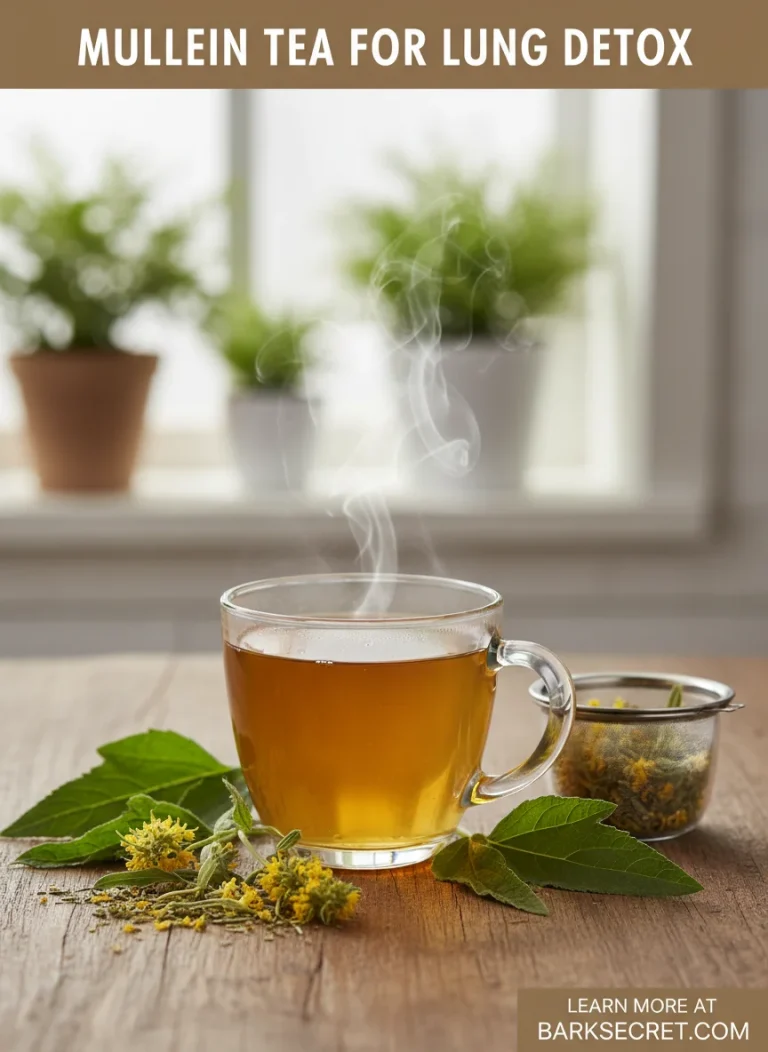
Green Tea and Tulsi (Holy Basil) are the best choices for sipping away inflammation.
- Green Tea: Packed with Epigallocatechin gallate (EGCG), a catechin that prevents cellular damage and reduces the formation of free radicals.
- Tulsi: Known as the “Queen of Herbs” in Ayurveda, it acts as an adaptogen, helping the body manage chemical stress and lowering inflammatory markers.
Ayurvedic herbs for inflammation
Ayurveda focuses on balancing the body’s doshas to reduce heat (inflammation). The top herbs include:
- Ashwagandha: An adaptogen that lowers cortisol levels. High cortisol is a primary trigger for chronic inflammation.
- Triphala: A combination of three fruits (Amla, Bibhitaki, and Haritaki) that reduces gut inflammation. Since a significant portion of the immune system resides in the gut, Triphala is essential for systemic health.
List of anti inflammatory plants and spices
If you are looking to integrate anti-inflammatory agents into your cooking, utilize this list of potent plants and spices:
- Clove: Contains eugenol, a natural anesthetic and anti-inflammatory.
- Cinnamon: Reduces levels of CRP (C-reactive protein), a marker of inflammation.
- Black Pepper: Contains piperine; essential for absorption of other herbs.
- Cayenne Pepper: Contains Capsaicin, which depletes Substance P (a neurotransmitter that sends pain signals).
- Garlic: Contains diallyl disulfide, limiting the effects of pro-inflammatory cytokines.
Key Takeaways
- Turmeric is the strongest overall anti-inflammatory but requires black pepper for absorption.
- White Willow Bark acts similarly to ibuprofen but is natural.
- Safety First: Natural does not mean harmless. Check for drug interactions (especially blood thinners) before starting a regimen.
- Consistency: Unlike synthetic drugs which work instantly, herbs build up in the system over days or weeks to provide lasting relief.
Frequently Asked Questions
Can I take anti-inflammatory herbs with prescription medication?
You must exercise caution. Herbs like Ginger, Turmeric, and Willow Bark can thin the blood. If you are taking Warfarin or other anticoagulants, consult your doctor to avoid bleeding risks.
How long does it take for herbs to reduce inflammation?
Acute relief (like Willow Bark for a headache) can happen within 1–2 hours. However, for chronic inflammation (like arthritis), compounds like Curcumin usually require 4 to 8 weeks of consistent usage to show significant results.
Disclaimer: This information is for educational purposes. Please consult a healthcare provider before trying new herbal remedies. Please read our full disclaimer here.