12 Houseplants That Need Almost No Water (Perfect for Busy People)
Disclosure: This article contains affiliate links. As an Amazon Associate, I earn from qualifying purchases at no extra cost to you. I only recommend products I would use myself.
12 Houseplants That Need Almost No Water (Perfect for Busy People)
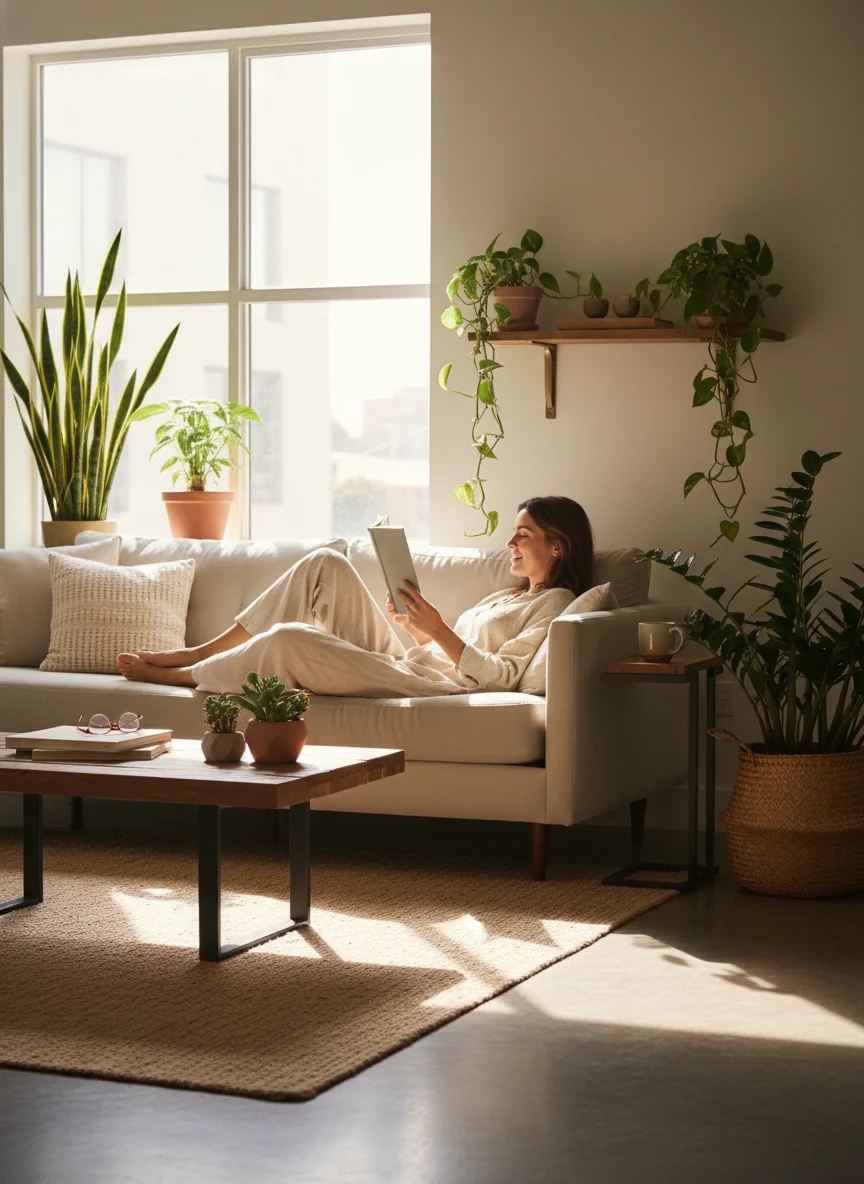
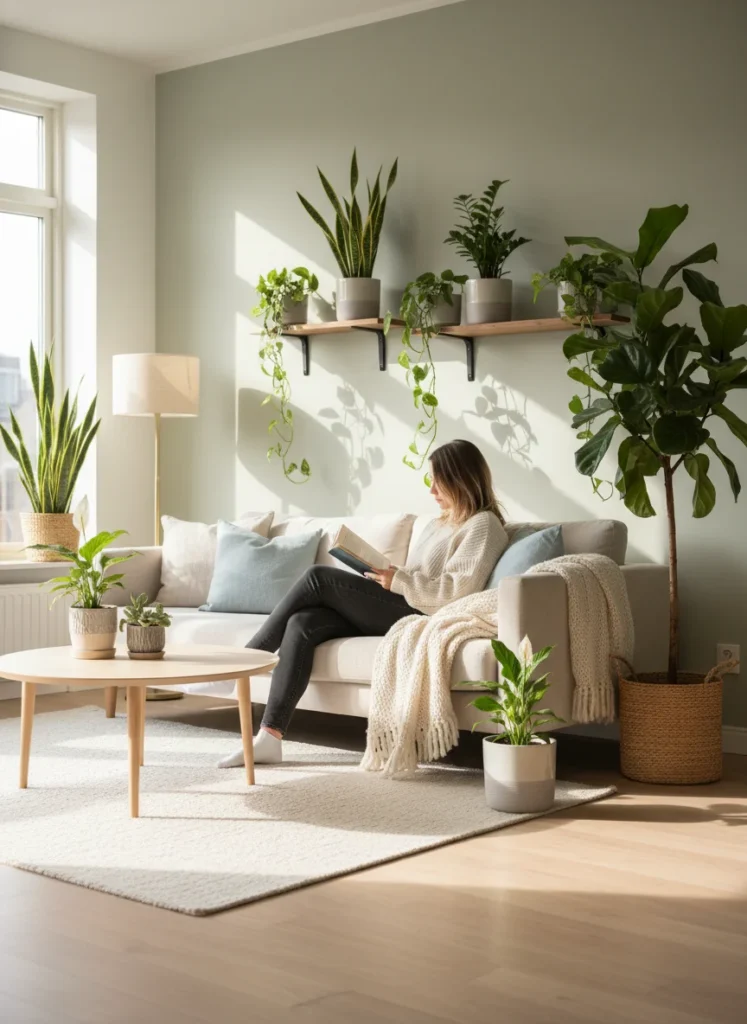
I used to kill plants. Seriously, I’d bring home a beautiful new houseplant with all the best intentions, only to find it brown and crispy (or worse, mushy and rotting) a few weeks later. My busy schedule meant inconsistent watering, and most plants just couldn’t handle my forgetfulness. That’s when I started looking for plants that need little water, and what I found completely changed my indoor gardening game.
If you’re like me, busy, forgetful, or just not interested in a daily watering ritual, this list is for you. These 12 houseplants are incredibly forgiving. They thrive on neglect, making them perfect companions for anyone who wants greenery without the high-maintenance hassle.
1. Snake Plant (Sansevieria trifasciata)
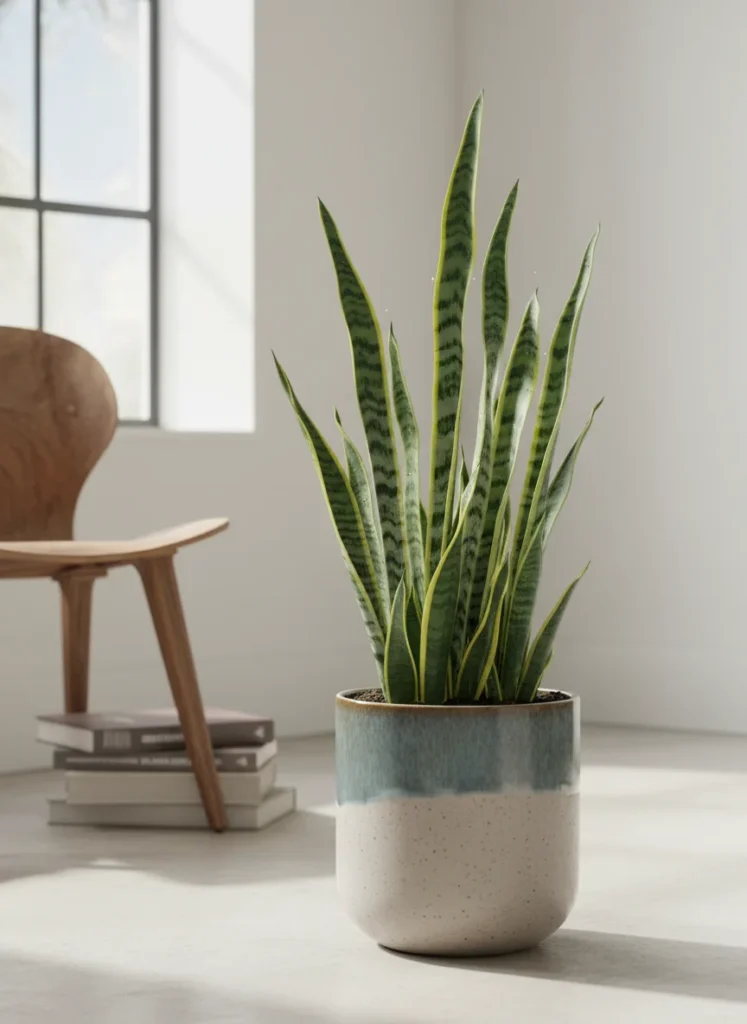
The snake plant is practically indestructible, which is probably why it’s at the top of my list. Its upright, sword-like leaves add a modern touch to any room, and it’s fantastic at purifying air. I have several, and they never complain.
Watering Frequency: Every 2-4 weeks, or even less in winter. Let the soil dry out completely.
Care Tip: Root rot is the biggest killer. When in doubt, don’t water.
2. ZZ Plant (Zamioculcas zamiifolia)
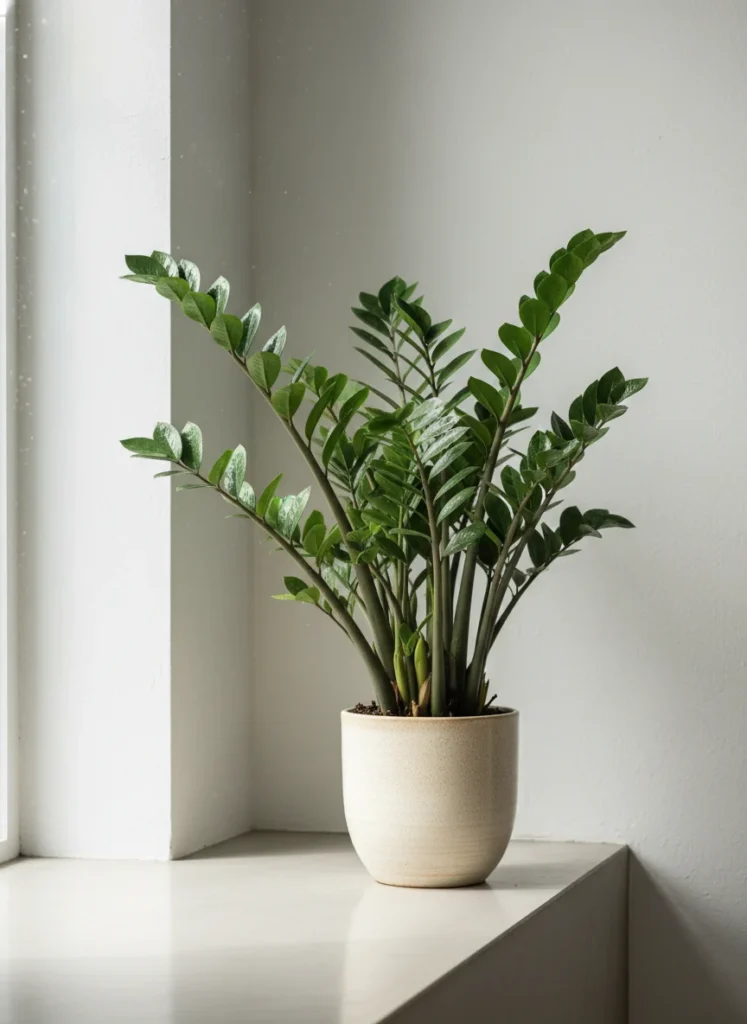
The ZZ plant is another champion of neglect. Its waxy, dark green leaves are so resilient they almost look artificial. It stores water in its thick rhizomes (underground stems), allowing it to go for long stretches without a drink.
Watering Frequency: Every 2-4 weeks. Allow the top two inches of soil to dry out before watering again.
Care Tip: It tolerates low light, but bright indirect light will help it grow faster.
3. Aloe Vera (Aloe barbadensis miller)
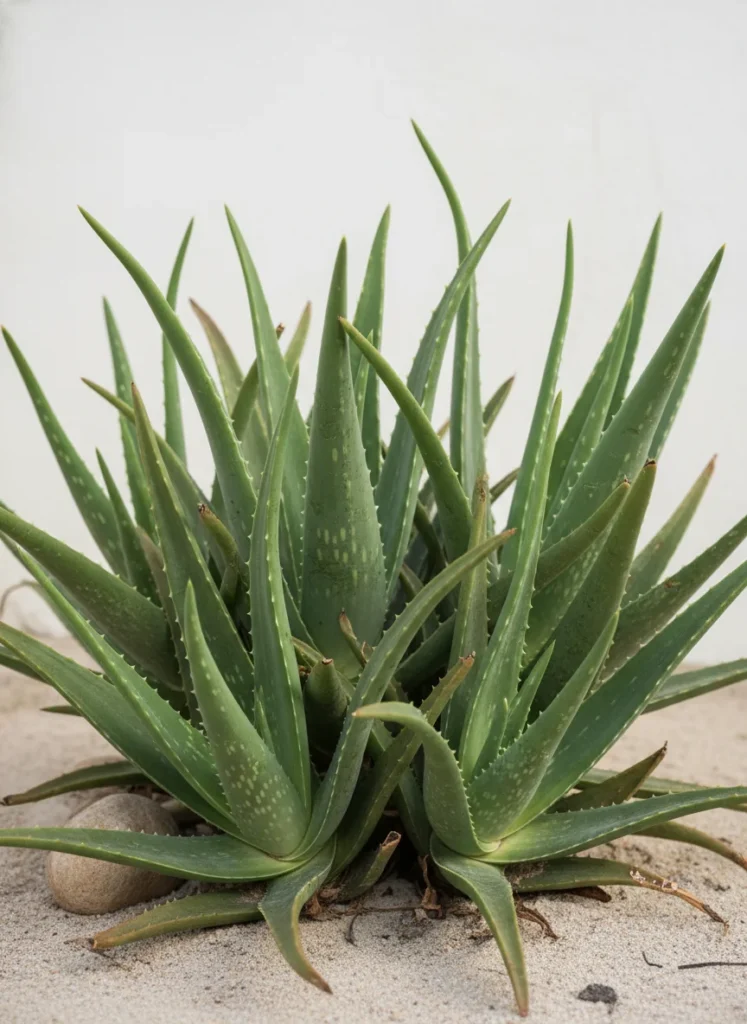
Beyond its medicinal properties for minor cuts and burns, the aloe vera plant is a beautiful succulent that needs very little attention. Its architectural form looks great on a sunny windowsill, and it’s a handy plant to have around the house.
Watering Frequency: Every 3-4 weeks. The soil should be completely dry between waterings.
Care Tip: Give it plenty of bright, indirect sunlight. A south-facing window is ideal.
4. Cast Iron Plant (Aspidistra elatior)
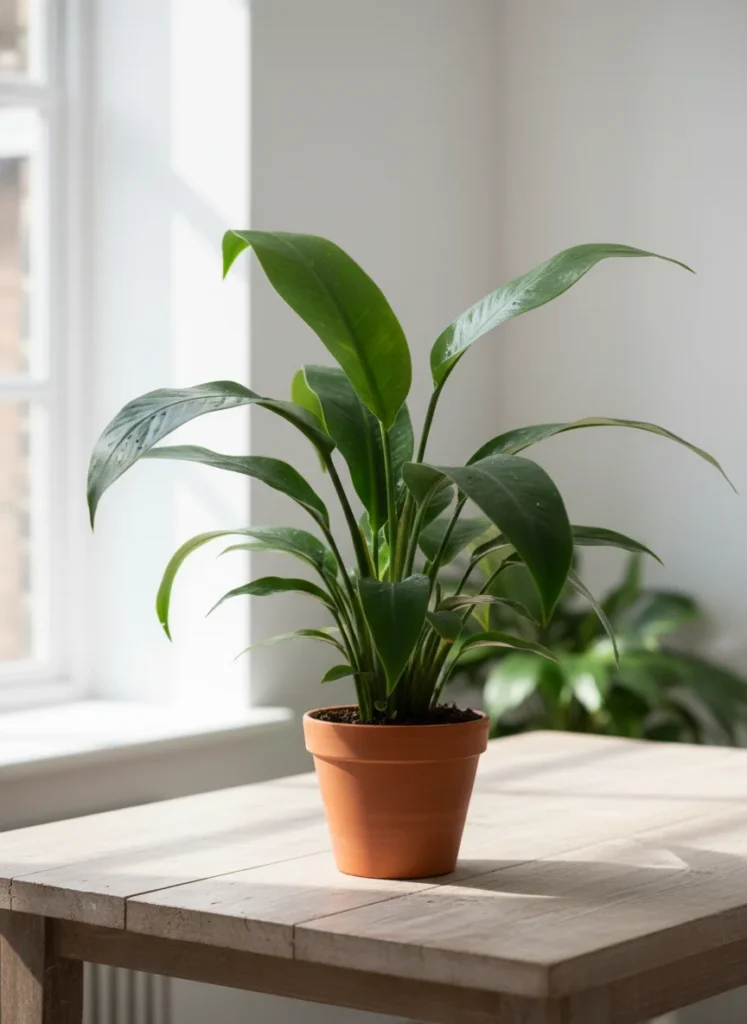
This plant truly lives up to its name. The cast iron plant can withstand just about anything – low light, infrequent watering, humidity changes, and temperature fluctuations. If you’ve struggled with other plants, this one might be your savior.
Watering Frequency: Every 2-4 weeks. It prefers dry soil over wet.
Care Tip: Wipe its leaves occasionally to remove dust and keep them shiny.
5. Ponytail Palm (Beaucarnea recurvata)
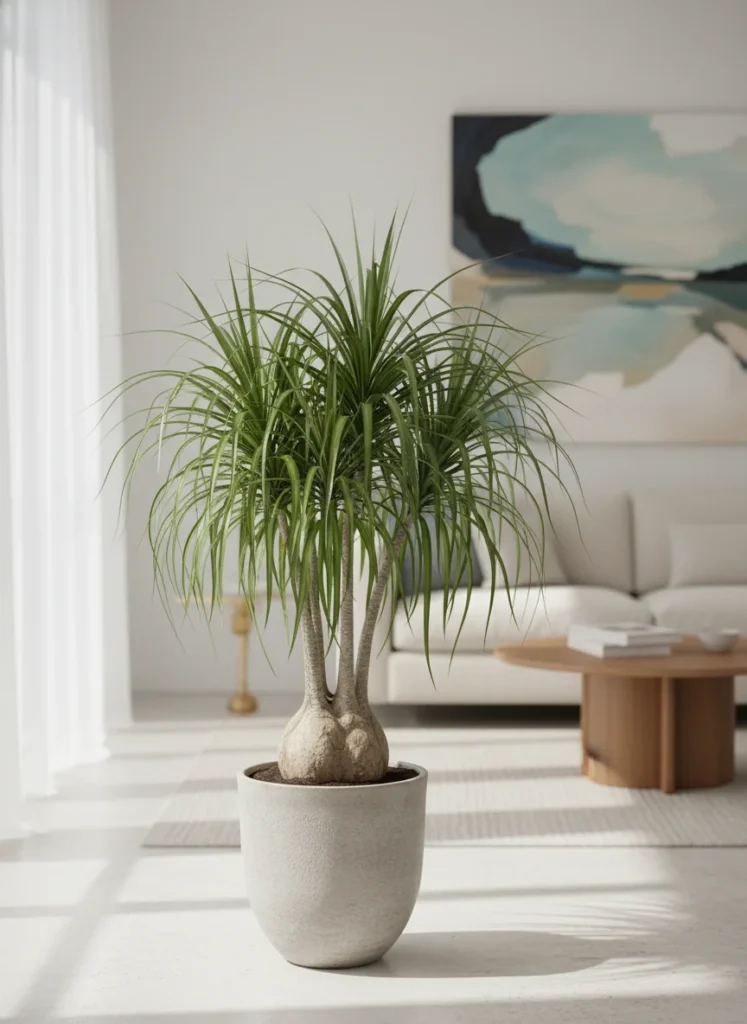
The ponytail palm is an eye-catching plant with a bulbous trunk (which stores water) and long, slender leaves that cascade like a ponytail. It’s a slow grower but incredibly resilient and unique looking.
Watering Frequency: Every 3-4 weeks. Allow the soil to dry out completely.
Care Tip: Give it plenty of bright light, but it can tolerate some lower light conditions.
6. Jade Plant (Crassula ovata)
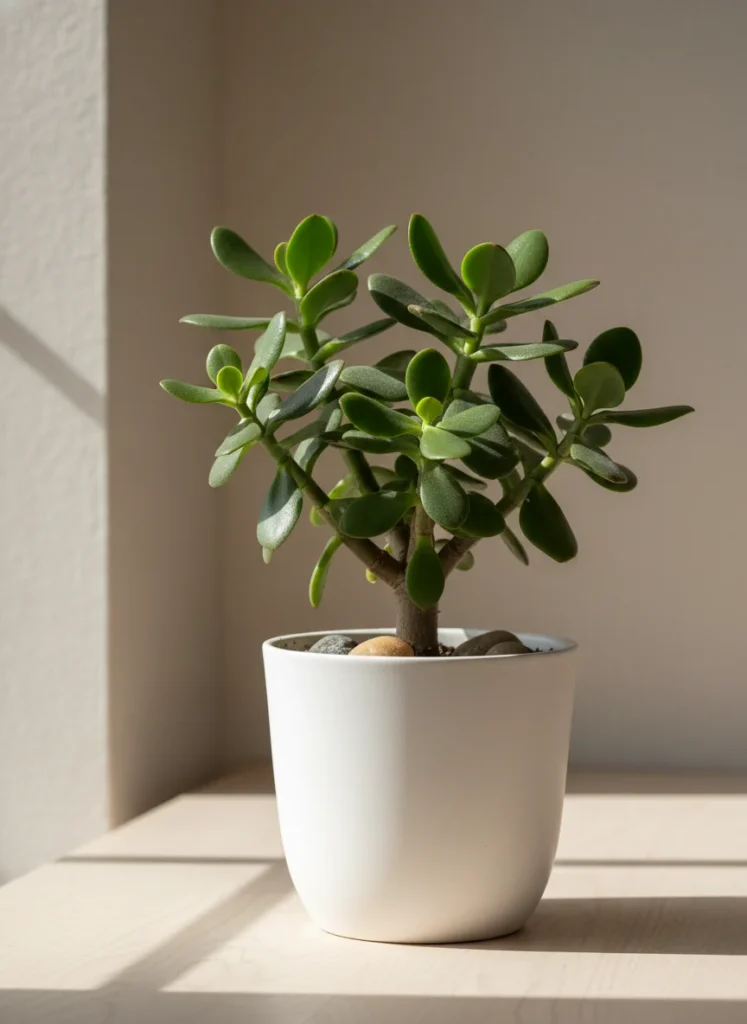
A classic succulent, the jade plant is known for its thick, woody stems and plump, oval leaves. Many people believe it brings good luck and prosperity, which is a nice bonus for such an easy-care plant.
Watering Frequency: Every 2-4 weeks. Water thoroughly, then let the soil dry out completely.
Care Tip: It loves sunlight; place it in a spot where it can get at least four hours of direct light daily.
7. Christmas Cactus (Schlumbergera)
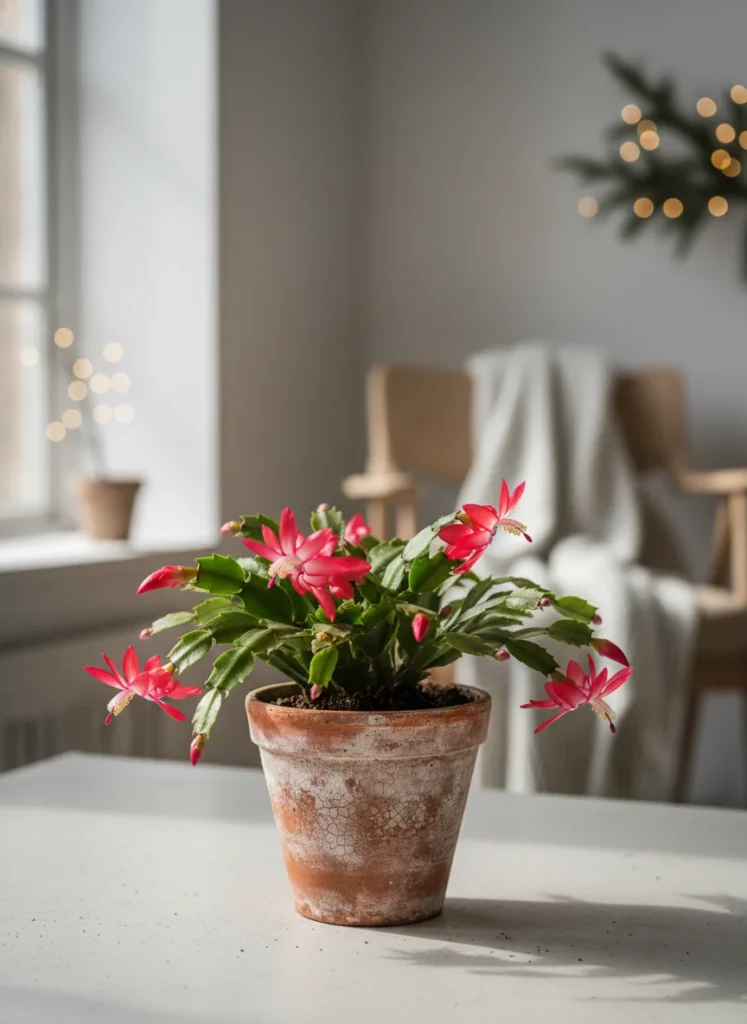
Unlike desert cacti, the Christmas cactus is an epiphytic succulent from tropical forests. While it appreciates humidity, it doesn’t need constant watering. Its vibrant winter blooms are a wonderful reward for minimal effort.
Watering Frequency: Every 2-3 weeks. Water when the top inch of soil feels dry.
Care Tip: To encourage blooms, give it a period of cooler temperatures and longer nights in the fall.
8. Pothos (Epipremnum aureum)
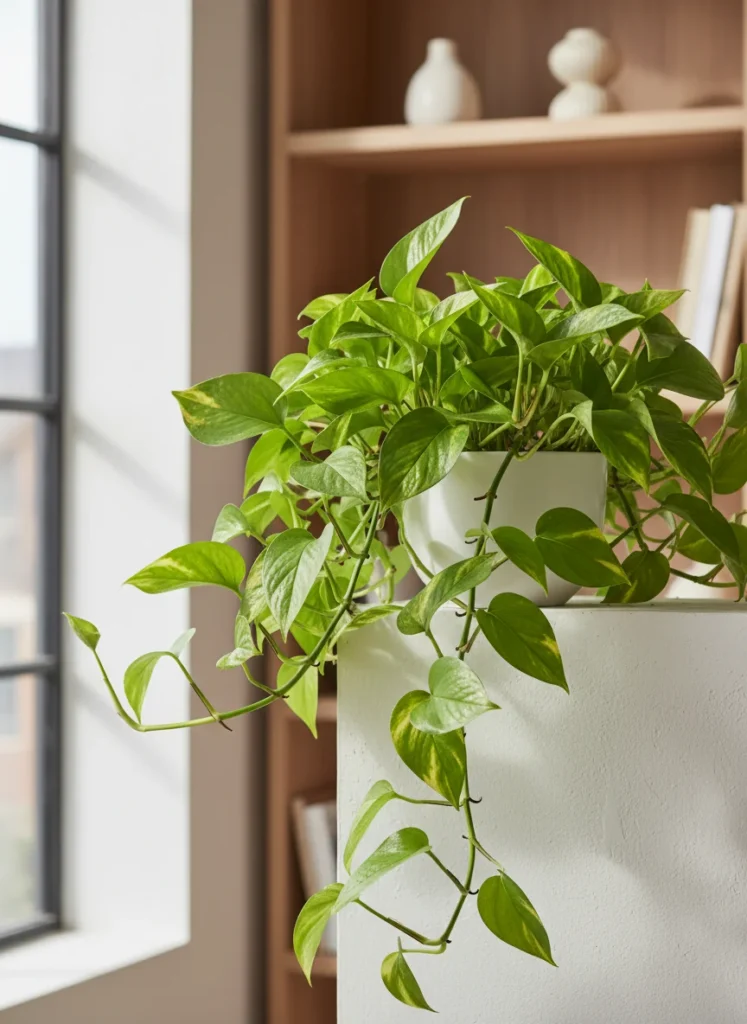
Pothos might not be a succulent, but it is incredibly forgiving and tolerates drought better than many common houseplants. Its trailing vines look great in hanging baskets or climbing shelves. If you’re busy, it’s one of the best choices for consistent green.
Watering Frequency: Every 1-2 weeks. Wait until the soil is completely dry and the leaves might even start to droop slightly.
Care Tip: Pothos can thrive in a wide range of light conditions, from low to bright indirect light. Remember that even easy-care plants can struggle if their pots aren’t draining well. If you’re looking for good pots for other low-maintenance plants like herbs, I’ve shared my experience on Best Pots for Growing Herbs Indoors: What Actually Works.
9. Spider Plant (Chlorophytum comosum)
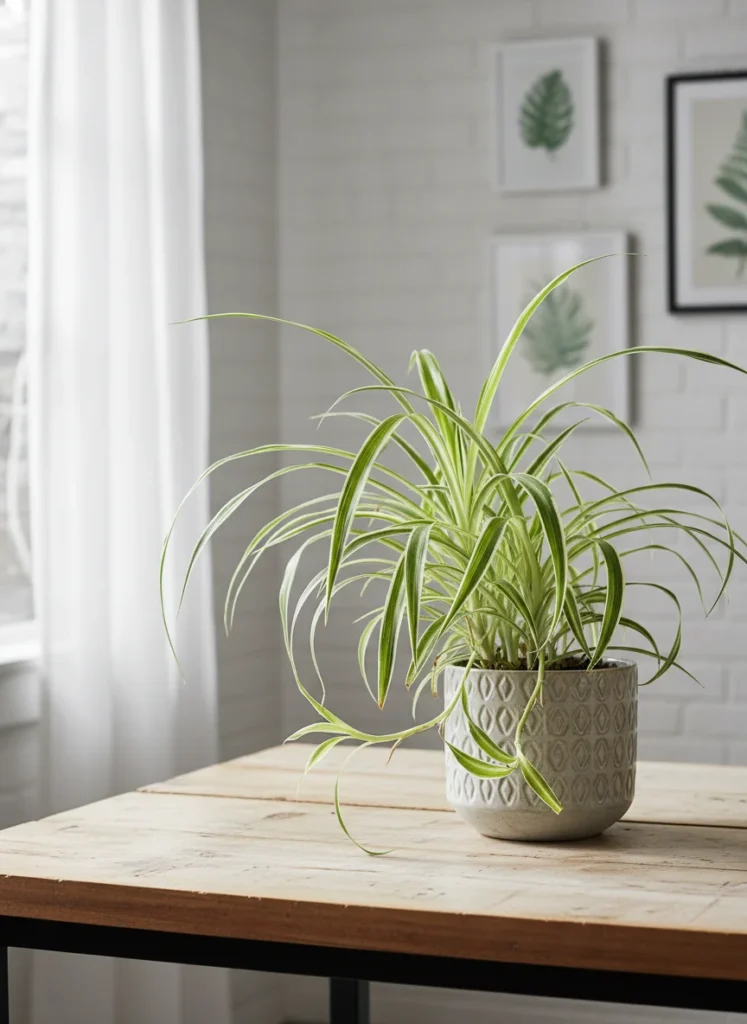
Spider plants are incredibly resilient and produce little “spiderettes” that are easy to propagate. They’re not true low-water plants in the same way a ZZ plant is, but they are very forgiving of missed waterings and will let you know when they’re thirsty by their lighter green color.
Watering Frequency: Every 1-2 weeks. Allow the top inch of soil to dry out before watering.
Care Tip: Brown tips often indicate tap water chemicals. Use distilled or rainwater if possible.
10. Sago Palm (Cycas revoluta)
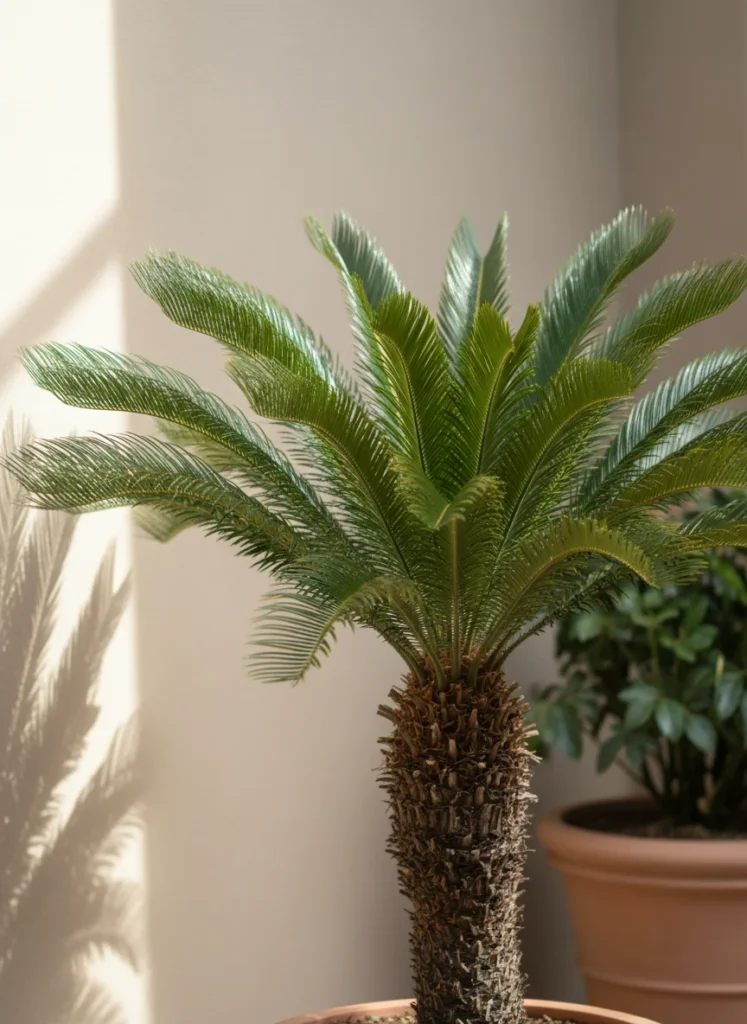
The Sago palm isn’t a true palm but a cycad, known for its slow growth and prehistoric appearance. It’s an incredibly hardy plant that requires minimal care, making it a striking statement piece for any home.
Watering Frequency: Every 2-4 weeks. Let the soil dry out completely between waterings.
Care Tip: Provide bright, indirect light. Avoid overwatering, as it’s very prone to root rot.
11. Air Plants (Tillandsia)
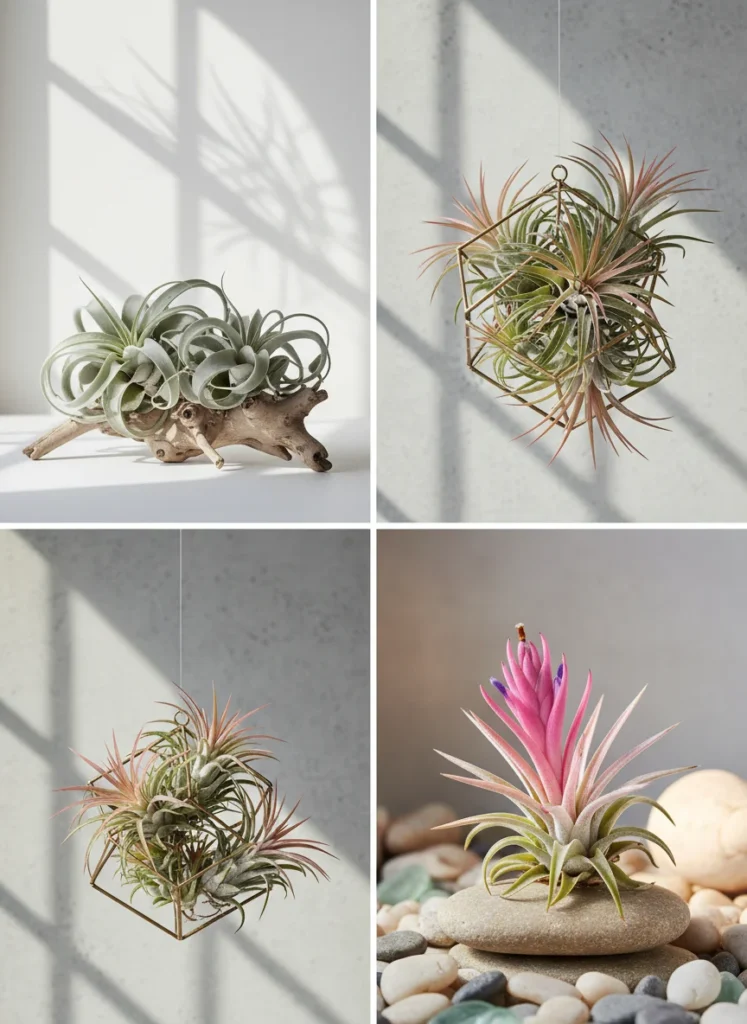
Air plants are unique because they don’t need soil at all. They absorb water and nutrients through their specialized leaves. This makes them incredibly versatile for display and remarkably low-maintenance in terms of traditional watering cans.
Watering Frequency: Every 1-2 weeks. Soak them in a bowl of water for 20-30 minutes, then shake off excess water and allow them to dry completely before returning them to their display. Care Tip: Give them bright, indirect light and good air circulation.
12. Kalanchoe (Kalanchoe blossfeldiana)
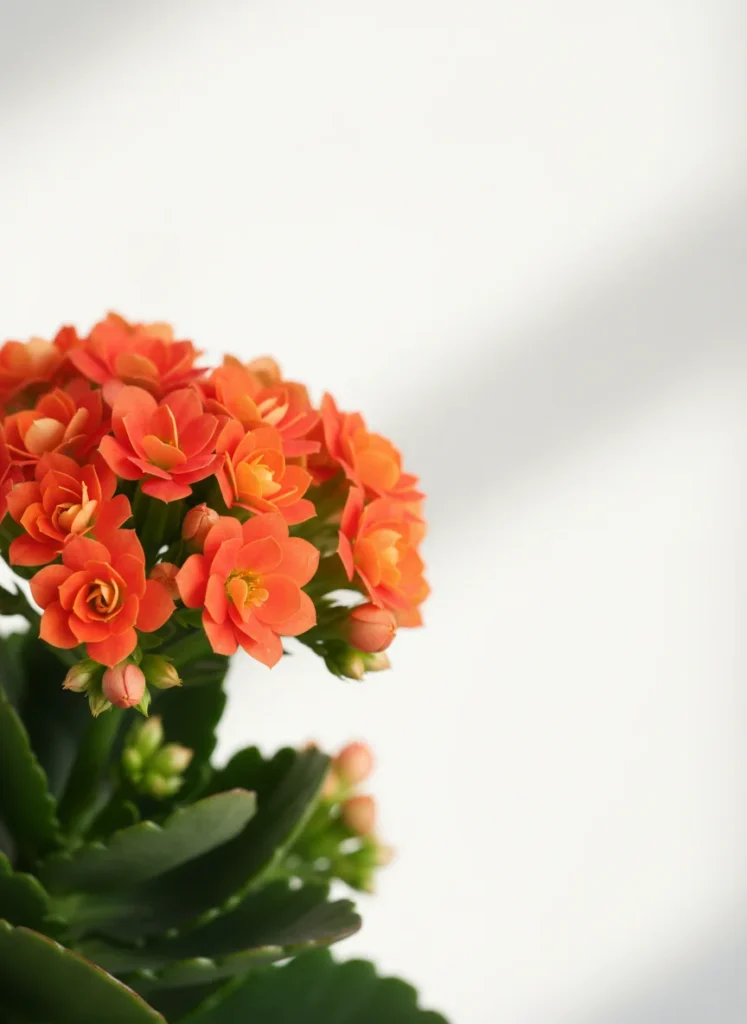
Kalanchoe is a beautiful flowering succulent that produces clusters of small, vibrant flowers, typically in shades of red, pink, orange, or yellow. It’s compact, cheerful, and doesn’t demand much water to put on a show.
Watering Frequency: Every 2-3 weeks. Allow the soil to dry out completely between waterings.
Care Tip: Place it in a sunny spot to encourage more blooms. After flowering, you can prune spent blooms to encourage new growth. It’s often easy to make small mistakes that can really impact your plant’s health, even with these low-maintenance options. I’ve learned a lot from my own trials, especially when it comes to balancing neglect with just enough care. For more general advice on avoiding common plant blunders, you might find some useful insights in this article about 10 Container Gardening Mistakes Killing Your Balcony Harvest (Fix #2 First).
Bringing greenery into your home doesn’t have to mean becoming a full-time plant parent. These plants that need little water are living proof that you can enjoy the beauty and benefits of houseplants even with the busiest schedule. I’ve found that choosing the right plants for your lifestyle is the real secret to a thriving indoor garden. Start with one or two from this list, and watch your confidence (and your plants) grow!
FAQ
How do I know if my low-water plant needs watering?
For most low-water plants, the best indicator is the soil. Stick your finger about two inches into the soil. If it feels completely dry, it’s time to water. For succulents, you might also notice the leaves looking slightly less plump or starting to wrinkle.
Can I really forget to water these plants for weeks?
Yes, many of the succulents and arid-loving plants on this list, like ZZ plants, snake plants, and aloe vera, can easily go for 2-4 weeks, or even longer in winter, without water. The key is to check the soil and err on the side of underwatering rather than overwatering.
What kind of soil is best for plants that need little water?
A well-draining potting mix is crucial. For most succulents and cacti on this list, a specialized succulent and cactus mix is ideal. This mix typically contains perlite or sand to improve drainage and prevent root rot, which is a common issue for low-water plants in dense, moisture-retentive soil.
What are common mistakes to avoid with these low-water plants?
The most common mistake is overwatering. Since these plants store water, too much moisture in the soil can lead to root rot. Another mistake is insufficient light for sun-loving varieties like jade and aloe, which can cause leggy growth. Finally, make sure their pots have drainage holes; without them, water can accumulate at the bottom, leading to problems.