
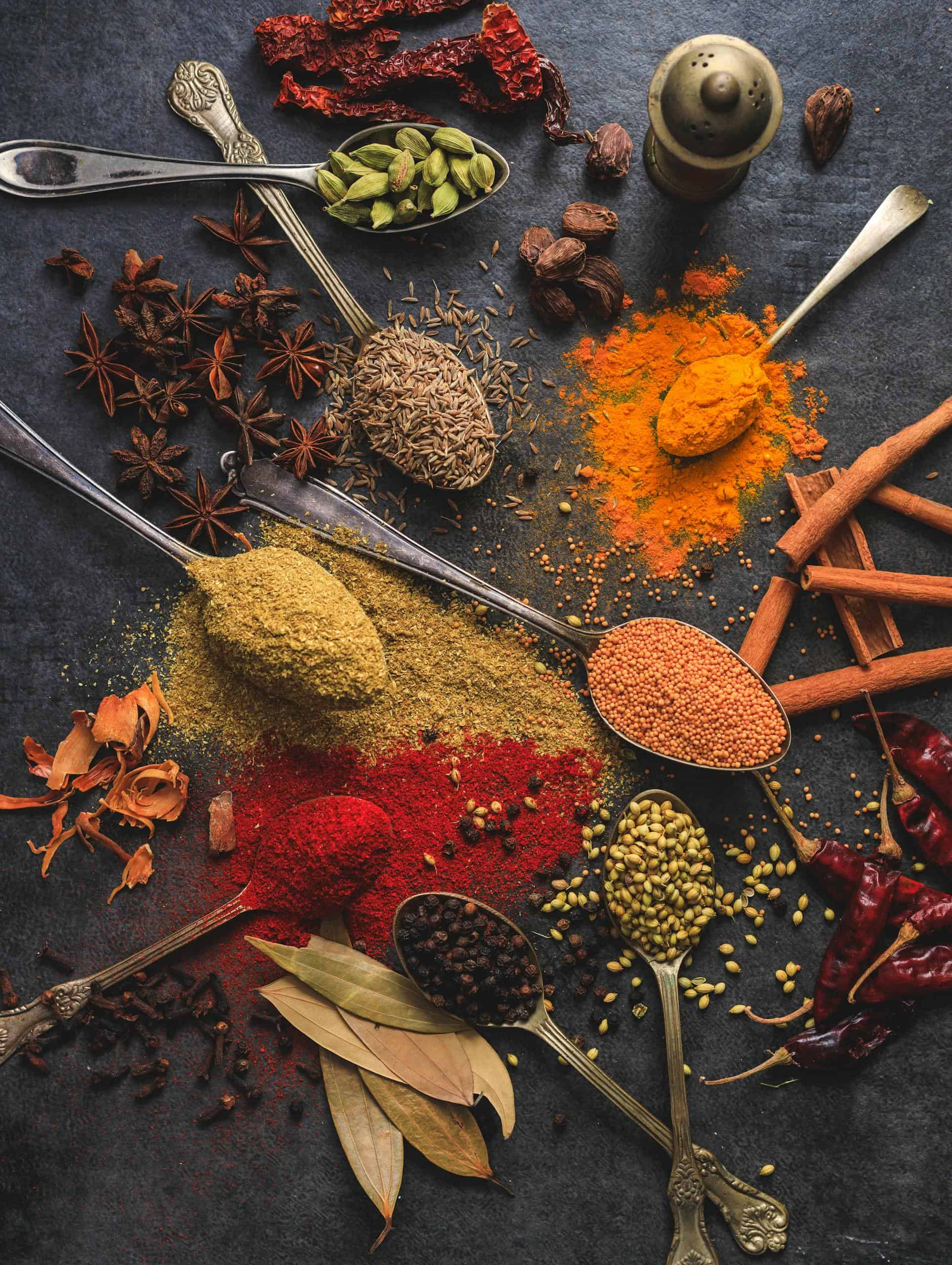
12 Herbs That Help Lower Blood Sugar Naturally
They call it the “silent killer” for a reason.
Type 2 diabetes doesn’t announce itself with a shout; it creeps in quietly. It begins when the body’s cells, tired and overworked, stop answering the door for insulin. This resistance leaves sugar drifting aimlessly in the bloodstream, turning the life-giving fuel of glucose into a slow-acting poison that rusts the vessels and nerves over time.
For millions, the diagnosis leads to a lifelong tether to prescription pads. While modern medication is a miracle of science, it often comes with a heavy price tag—both financially and physically. The side effects can be draining, leaving many to wonder if there is a gentler way to coax the body back into balance.
This is where the ancient wisdom of naturopathy intersects with modern clinical research. Nature has provided a vast pharmacopeia of roots, leaves, and seeds that don’t just mask symptoms but actively support metabolic health.
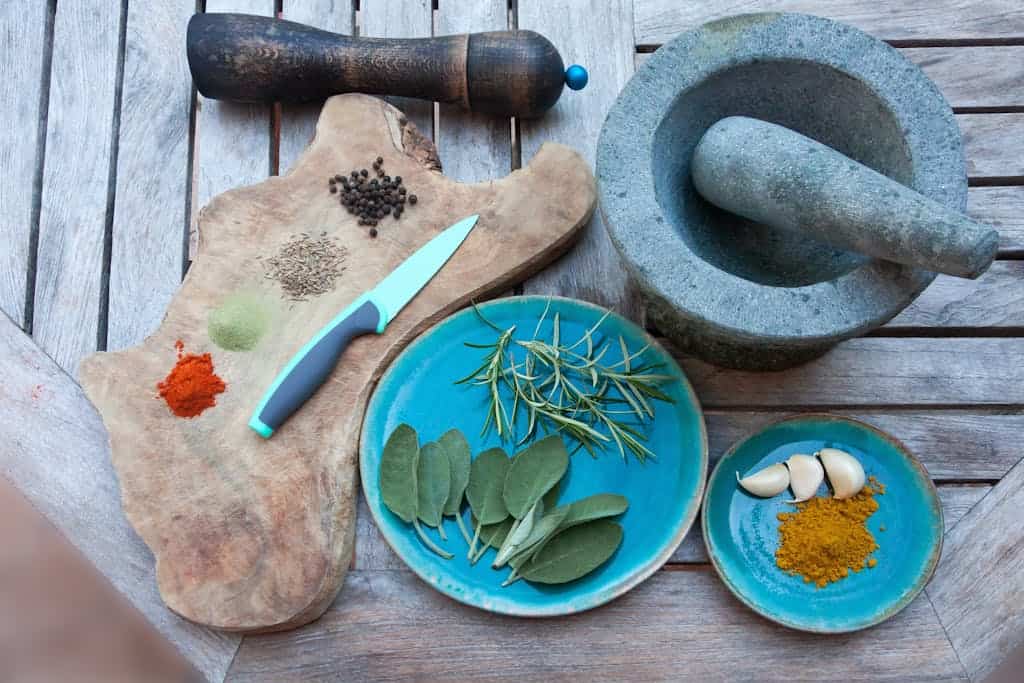
Here are 12 research-backed herbs that help lower blood sugar naturally, moving you from resistance to resilience.
1. Gymnema Sylvestre: The “Sugar Destroyer”
If there is a king among diabetic herbs, it is Gymnema Sylvestre. In Hindi, it is known as gurmar, which literally translates to “destroyer of sugar.”
This woody vine, native to the tropical forests of India, performs a fascinating biological trick. It contains gymnemic acids, which are structurally similar to glucose molecules. When you chew the leaves, these acids fill the sugar receptors on your taste buds, temporarily neutralizing the ability to taste sweetness. If you eat chocolate after chewing Gymnema, it tastes like chalk.
Internally, it works much the same way in the intestine, blocking the absorption of sugar molecules and preventing blood sugar spikes. It essentially locks the door before the sugar can enter the bloodstream.
2. Cinnamon: The Aromatic Insulin Mimic
Open your spice cabinet, and you likely already own one of the most potent blood sugar regulators available. Cinnamon is more than a comfort spice for oatmeal; it is a metabolic powerhouse.
Research suggests that cinnamon works by mimicking the effects of insulin and increasing glucose transport into cells. It helps lower insulin resistance, making the insulin your body does produce more efficient.
Note on Variety: Not all cinnamon is created equal. While the common Cassia cinnamon is effective, it contains coumarin, which can be harmful to the liver in large doses. For daily therapeutic use, Ceylon cinnamon (often called “true cinnamon”) is the safer, more refined choice.
3. Fenugreek: The Fiber Shield
Fenugreek seeds are small, golden, and hard, carrying a scent reminiscent of maple syrup and burnt sugar. They are a staple in Indian cooking, but in the world of naturopathy, they are prized for their high soluble fiber content.
When ingested, fenugreek seeds form a gel-like substance in the stomach. This “fiber shield” slows down digestion and the absorption of carbohydrates. Instead of a rapid sugar spike after a meal, the glucose enters the bloodstream in a slow, manageable trickle. It is particularly effective for lowering fasting blood sugar levels when the seeds are soaked overnight and the water is consumed the next morning.
4. Berberine: The Metabolic Switch
Technically a compound found in several plants like Goldenseal and Oregon Grape, Berberine is perhaps the most clinically validated natural supplement for diabetes.
Berberine activates an enzyme called AMPK (adenosine monophosphate-activated protein kinase). Think of AMPK as the body’s “metabolic master switch.” When flipped, it improves insulin sensitivity and promotes glucose uptake in the muscles. Several studies have dared to compare Berberine directly to Metformin, a common diabetes drug, finding that the natural compound performed with comparable efficacy in regulating glucose metabolism.
5. Turmeric: The Golden Anti-Inflammatory
Inflammation and diabetes often go hand-in-hand. Chronic inflammation can damage the insulin receptors, worsening resistance. Enter Turmeric, the golden root that stains everything it touches.
Its active compound, curcumin, tackles the problem at a cellular level. By reducing oxidative stress and inflammation, curcumin helps repair the machinery responsible for insulin production in the pancreas. To unlock its full potential, turmeric should always be consumed with a pinch of black pepper, which increases the absorption of curcumin by up to 2,000%.
6. Aloe Vera: Soothing the Beta Cells
We know Aloe Vera as the go-to remedy for sun-scorched skin, but its cooling properties extend to the bloodstream. The clear gel inside the spiky succulent leaves contains compounds like lectins and glucomannans.
Current research indicates that Aloe Vera may help protect and repair the beta cells in the pancreas—the very cells responsible for producing insulin. By reducing levels of fasting blood glucose and hemoglobin A1c (a marker of long-term blood sugar control), Aloe proves it is more than just a topical treatment.
7. Ginger: The Digestive Fire
Ginger adds a spicy kick to food, but biologically, it acts as a regulator of carbohydrate metabolism. Gingerols, the active components in the rhizome, inhibit enzymes that break down carbohydrates.
Furthermore, ginger improves glucose uptake into muscle cells without using insulin. This means your muscles can burn glucose for energy even if your insulin sensitivity is compromised. It creates a secondary pathway for sugar to leave the blood and enter the tissue where it belongs.
8. Tulsi (Holy Basil): The Stress Adaptogen
In Ayurveda, Tulsi is revered not just as a plant, but as a goddess. It is classified as an adaptogen—a substance that helps the body handle stress.
Stress triggers the release of cortisol, a hormone that naturally spikes blood sugar to give you energy for a “fight or flight” response. For a diabetic, chronic stress means chronically high sugar. Tulsi helps lower cortisol levels, addressing the hormonal root of blood sugar spikes. It creates a calm internal environment where insulin can do its job properly.
9. Curry Leaves: The Pancreatic Tonic
Often discarded to the side of the plate, curry leaves are medicinal dynamos. They contain minerals like iron, zinc, and copper, which are essential for maintaining normal glucose levels.
Chewing fresh curry leaves in the morning is a traditional remedy believed to reduce the rate at which starch is broken down into glucose. They also protect the pancreatic cells from free radical damage, preserving the body’s ability to produce its own insulin.
10. Ginseng: The Energy Regulator
Both American and Asian Ginseng have shown promise in diabetes management, though they work slightly differently. American Ginseng, in particular, has been shown to reduce post-meal blood sugar by up to 20%.
Ginseng seems to slow carbohydrate absorption while simultaneously boosting the pancreas’s insulin secretion. It acts as a dual-force regulator, ensuring that the body doesn’t get overwhelmed by a sudden influx of sugar after eating.
11. Sage: The Glucose Tea
Sage is often reserved for holiday stuffing, but it has a long history as a medicinal tea. Studies suggest that sage extract behaves similarly to Metformin in the liver.
The liver is a storage unit for glucose. When you haven’t eaten for a while, the liver releases sugar into the blood. In type 2 diabetes, the liver often releases too much sugar. Sage appears to inhibit this release (gluconeogenesis), helping to keep fasting blood sugar levels stable.
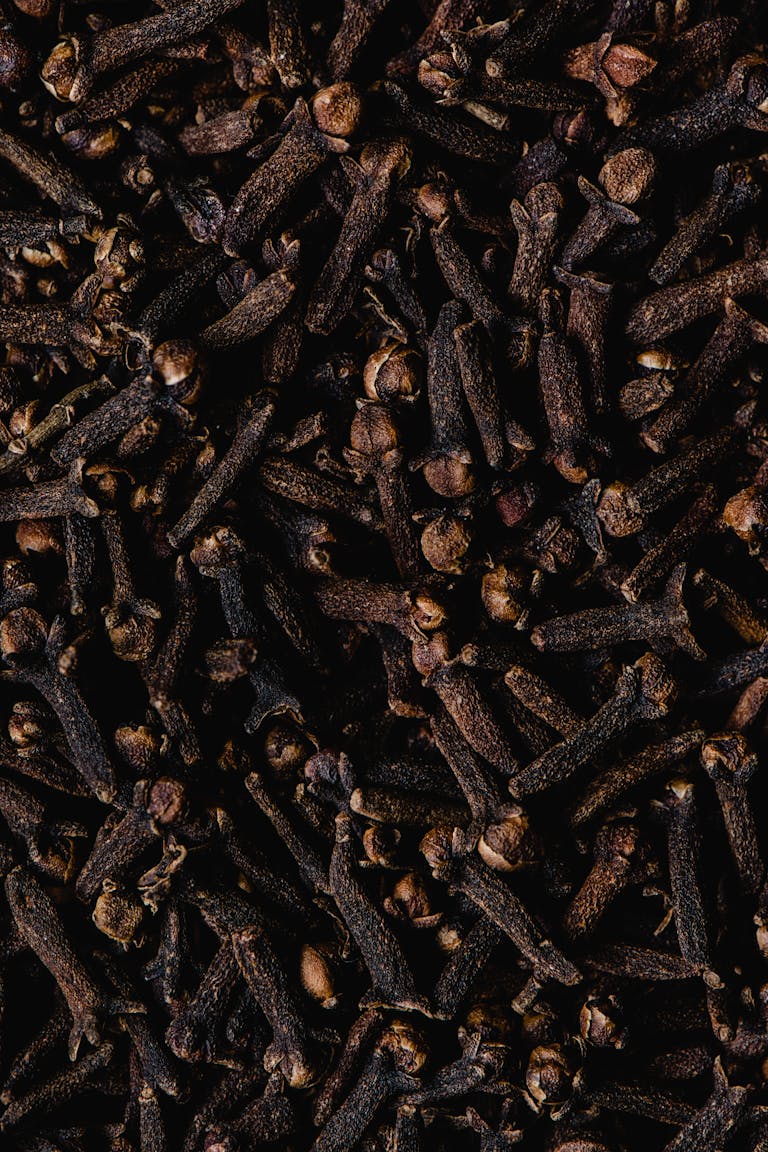
12. Cloves: The Antioxidant Powerhouse
Cloves are small but mighty. They contain incredibly high levels of antioxidants, specifically anthocyanins and quercetin. You can read more about the 15 powerful health benefits of cloves (scientifically backed) to see why this tiny spice is a true antioxidant powerhouse.
Research indicates that clove extracts can increase the production of insulin and improve the function of cells that produce insulin. Adding a few cloves to your tea or cooking doesn’t just add warmth; it adds a layer of protection against the oxidative stress caused by high blood sugar.
⚠️ A Crucial Note on Safety
“Natural” does not mean “harmless.” If you are currently taking prescribed medication for diabetes (like insulin or Metformin), adding these potent herbs can cause your blood sugar to drop too low—a dangerous condition called hypoglycemia.
The goal is to work in tandem with your healthcare provider. As these herbs begin to work and your insulin sensitivity improves, your doctor may need to lower your medication dosage. Never stop medication abruptly; treat your body with the patience it deserves.
FAQ Section
Q: What is the best herb for lowering blood sugar?
A: While many are effective, Gymnema Sylvestre is often cited as the “best” specifically for sugar cravings and absorption blocking. However, Berberine is frequently considered the most powerful for overall metabolic correction, with efficacy rates rivaling pharmaceutical drugs in some studies.
Q: What is the fastest home remedy to lower blood sugar?
A: There is no “instant” fix, but Cinnamon and Apple Cider Vinegar (though not an herb, often used in herbal protocols) show the most rapid effects on post-meal spikes. Consuming them immediately before a high-carb meal can blunt the sugar spike significantly.
Q: What is the best natural supplement to lower blood sugar?
A: Berberine is widely regarded as the gold standard in natural supplements for blood sugar. It targets the enzyme AMPK, which regulates metabolism, offering a comprehensive approach to insulin resistance.
Q: What spice naturally lowers blood sugar?
A: Cinnamon is the premier spice for this purpose. Turmeric and Cloves are also highly effective spices that reduce inflammation and improve insulin sensitivity.
Q: Which herbs lower blood sugar fast?
A: Fenugreek (soaked seeds) and Bitter Melon (juice) are known for relatively quick action. Fenugreek works physically by slowing digestion immediately, while Bitter Melon contains plant-insulin that acts directly on glucose uptake.


One Comment