5 Anti-Aging Herbal Teas You Should Drink Weekly
There is a quiet, biological battle happening inside us every moment. It is the battle between oxidation—essentially, the “rusting” of our cells—and the body’s natural repair mechanisms. As we age, that repair system slows down. We often try to fix this from the outside, layering on serums and creams, hoping to smooth out the timeline of our skin.
But registered dietitians and longevity researchers increasingly point to a different truth: true anti-aging happens in the gut and the bloodstream.
While water is the foundation of life, it doesn’t necessarily carry the active compounds needed to fight free radicals. This is where the ancient ritual of tea drinking bridges the gap between hydration and medicine. We aren’t just talking about a cozy beverage; we are talking about bioactive compounds that can improve skin elasticity, protect collagen, and dampen the chronic inflammation that accelerates aging.
If you are looking to upgrade your weekly hydration routine, here are five teas that act as a shield against the years.
1. Hibiscus: The “Natural Botox” Plant
If you are chasing firm, glowing skin, hibiscus (often called sour tea) should be your primary target. It pours a deep, ruby red—a visual cue to the potent anthocyanins within it.
Research suggests that hibiscus is uniquely powerful because it inhibits the activity of the enzyme elastase. Elastase is responsible for breaking down elastin, the protein that keeps your skin snapping back when you pinch it. By slowing down this enzyme, hibiscus helps preserve the structural integrity of the skin.
Furthermore, hibiscus is incredibly rich in Vitamin C, a non-negotiable nutrient for collagen synthesis. It has a tart, cranberry-like flavor that wakes up the palate.
•Best way to drink it: Cold-brewed or hot. It is naturally caffeine-free, making it a safe hydrator for any time of day.
2. Rooibos: The Zinc-Rich Skin Soother
Hailing from the Cederberg mountains of South Africa, Rooibos (Red Bush) is technically a tisane, not a tea, and it is a favorite among dermatologists. Unlike other teas that can be astringent or drying, Rooibos is deeply hydrating.
Its anti-aging claim to fame lies in its mineral content. Rooibos contains alpha-hydroxy acid (AHA) and zinc. You likely recognize these ingredients from the labels of expensive facial peels and acne treatments. Consuming them internally may help reduce inflammation and support the skin barrier.
A study on flavonoids found in Rooibos, such as aspalathin, showed they have strong potential to combat oxidative stress, which is the primary driver of wrinkles and dullness.
•Flavor Profile: Earthy, nutty, and naturally sweet with notes of vanilla. It requires no sugar.
3. Ginseng: The Korean Secret to Vitality
In the realm of Korean wellness, Ginseng is often treated with reverence usually reserved for medicine. It is not just about skin; it is about systemic energy and cognitive longevity.
Ginseng is an adaptogen—a substance that helps the body manage stress. Chronic stress is a massive accelerator of aging, releasing cortisol that breaks down collagen and disrupts sleep. By regulating the stress response, Ginseng protects the body from premature burnout.
From a skin perspective, studies have highlighted Ginseng’s ability to increase blood circulation in the dermis. Better blood flow means more oxygen and nutrients delivered to skin cells, resulting in that coveted “glass skin” glow.
•Note: Ginseng can be stimulating. It is best enjoyed in the morning or early afternoon to avoid disrupting sleep patterns.
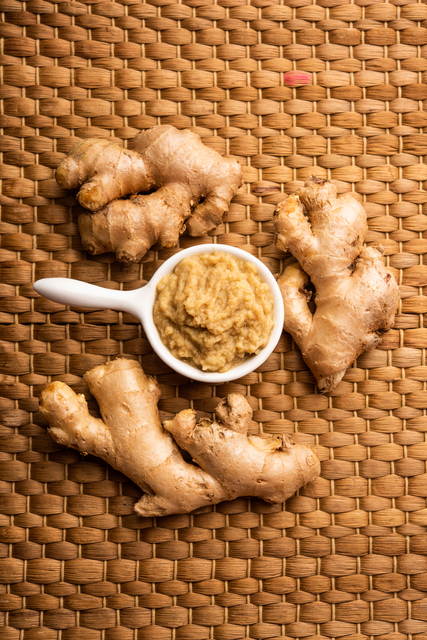
4. Ginger & Turmeric: The Anti-Inflammatory Duo
You cannot talk about anti-aging without talking about the gut. As the dietitians in your draft noted, gut health is the engine of immunity. If your gut is inflamed, your skin will look tired, puffy, and prone to redness.
Ginger and Turmeric are the gold standard for fighting “inflammaging”—the low-grade, chronic inflammation that wears down our tissues over time. Curcumin (the active compound in turmeric) and gingerol (in ginger) are potent antioxidants.
This tea is particularly good for those who feel stiffness in their joints or bloating after meals. By soothing the digestive track, you allow the body to focus its energy on cellular repair rather than digestion management.
•Pro Tip: Always add a pinch of black pepper to turmeric tea; it increases the absorption of curcumin by up to 2,000%.
5. Green Tea: The DNA Guardian
While technically not an “herbal” tea (it comes from the Camellia sinensis plant), no anti-aging list is credible without it. It is the benchmark against which all other healthy drinks are measured.
The magic bullet in green tea is EGCG (Epigallocatechin gallate). This polyphenol is a scavenger of free radicals. It has been shown to reactivate dying skin cells and may even protect telomeres—the protective caps at the end of our DNA strands that shorten as we age.
Research has also linked green tea consumption to protection against sun damage. While it doesn’t replace sunscreen, drinking it increases your skin’s natural resistance to UV radiation, which is responsible for up to 80% of visible facial aging.
•The Ritual: Don’t use boiling water, which burns the leaves and makes the tea bitter. Use water around 175°F (80°C) to preserve the delicate antioxidants.
Are Herbal Teas Dangerous?
This is a vital question. Just because something is “natural” does not mean it is chemically inert.
•Interaction Risks: Some herbal teas can interact with medications. For example, Ginseng can interact with blood thinners, and St. John’s Wort interacts with antidepressants.
•Purity: Always buy high-quality loose leaf or organic bags. Cheap teas can sometimes be contaminated with heavy metals or pesticides, which counteract the detoxifying benefits you are seeking.
•Liver Health: While rare, extremely high concentrations of green tea extract (usually in supplement form, not tea) have been linked to liver stress. Sticking to brewed tea is generally safe and beneficial.
FAQ: Your Anti-Aging Tea Questions Answered
Which tea is the most anti-aging?
If we look strictly at clinical data regarding DNA repair and cellular protection, Green Tea (specifically Matcha) takes the crown due to its high concentration of EGCG. However, for specific skin appearance (elasticity and firmness), Hibiscus is often considered the top contender due to its ability to inhibit elastin breakdown.
What herbal tea should you drink every day?
Rooibos is the best candidate for a daily staple. Because it is caffeine-free and low in tannins (which can interfere with iron absorption), you can drink liters of it without the jitters or digestive upset associated with caffeinated teas. It provides constant hydration and mineral support.
What tea tightens skin?
Hibiscus tea is widely regarded as the “skin tightening” tea. Its natural alpha-hydroxy acids (AHAs) and high Vitamin C content support collagen production, while its ability to inhibit elastase helps maintain the skin’s snap and firmness.
Should I drink herbal tea before bed?
Yes, but choose wisely. Avoid Green Tea, Ginseng, or Black Tea, as the caffeine will disrupt the deep sleep cycles needed for growth hormone release (the ultimate anti-aging hormone). Instead, opt for Chamomile or Lemon Balm. Deep sleep is when your cells actually repair themselves; a sedative herbal tea facilitates this process.
Are herbal teas anti-inflammatory?
Yes. Most herbal teas contain flavonoids that reduce oxidative stress. Ginger and Turmeric teas are the most potent anti-inflammatories, specifically targeting the pathways that cause swelling, joint pain, and skin redness.