Beginner’s Guide to Your First Vegetable Garden | Easiest Vegetables to Grow
Starting Your Garden with Confidence
Starting a garden is one of the most rewarding decisions you can make. There is a specific kind of joy that comes from walking into your backyard and harvesting dinner. However, the process can feel overwhelming for a beginner. You walk into a garden center and see hundreds of seed packets. You see rows of tools and bags of soil. It is easy to feel lost.
Let’s be honest. Many first-time gardeners fail because they try to do too much too soon. They plant difficult crops that require specific climate conditions or complex pest management. When the plants struggle, the gardener gets discouraged and quits.
We want to prevent that. The secret to a successful first garden is not having a green thumb. It is simply choosing the right plants. You need vegetables that are forgiving. You need plants that want to grow. We have compiled a guide to the best vegetables for beginners. These crops provide quick wins and high yields with minimal fuss.
The Psychology of the Quick Win
When you are new to gardening, patience is your hardest lesson. You plant a seed and stare at the dirt for days. Nothing seems to happen. This is why your first garden must include vegetables that grow fast. You need to see progress to stay motivated.
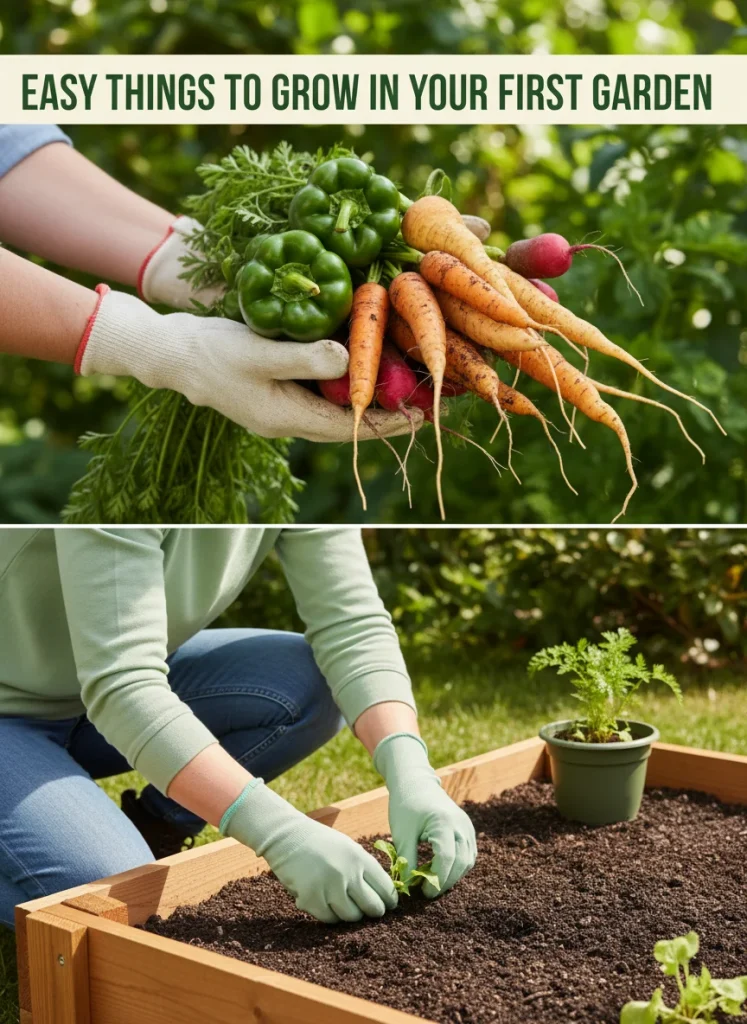
Save this pin to your Pinterest gardening board to easily find it later
Radishes
Here is the reality of gardening. Sometimes you need a victory to keep going. Radishes are that victory. They are arguably the fastest vegetable you can grow. In many cases, you can harvest them just three to four weeks after planting the seeds.
You might not even love the taste of radishes. That does not matter. You should grow them anyway. They sprout incredibly quickly. Seeing those green shoots pop out of the soil within a few days provides a massive confidence boost. They prove that you can do this. They are small, they take up very little space, and they are ready before you know it.
Leafy Greens: Lettuce, Spinach, and Kale
Salad greens are the workhorses of the beginner garden. They are much easier to grow than to buy. Store-bought lettuce wilts in the fridge within days. Garden lettuce stays fresh until you pick it.
These plants are fantastic because they offer instant gratification. You do not have to wait for the plant to reach full maturity. You can harvest baby greens as soon as the leaves are big enough to eat.
There is a technique here called “cut-and-come-again.” You simply trim the outer leaves of the plant with scissors and leave the center intact. The plant will continue to produce new leaves from the center. This means a single row of lettuce or spinach can provide fresh salads for weeks or even months. They also tolerate shade better than most vegetables. If your garden does not get full sun all day, greens are your best option.
High-Yield Plants for Big Rewards
Once you have your fast-growing greens, you need plants that provide volume. You want vegetables that produce so much food you have to give some away to neighbors. This abundance makes you feel like a professional farmer.
Zucchini and Summer Squash
If you plant zucchini, you must be prepared for the results. These plants are prolific. In the heat of summer, a healthy zucchini plant can grow inches in a single day. They are incredibly satisfying to grow because they are large and robust.
The seeds are large and easy to handle. This makes them perfect for planting with children. You simply poke a hole in the dirt, drop in a seed, and cover it up. Within a week, you will see a strong sprout. One or two plants are usually enough for an entire family. Be careful not to overplant, or you will be eating zucchini bread for breakfast, lunch, and dinner.
Green Beans and Peas
Beans and peas are excellent for beginners because they are tough. They can handle a variety of soils and weather conditions. Like zucchini, the seeds are large and easy to handle.
Bush beans are particularly easy because they do not require a trellis or support structure. You plant them, they grow into a small bush, and they produce handfuls of beans. Peas usually prefer cooler weather, making them a great choice for spring planting. Harvesting them is a treasure hunt. You look through the leaves to find the pods hiding inside. It is a fun and tactile experience that teaches you to observe your plants closely.
The Reliable Garden Staples
These are the vegetables most people think of when they imagine a garden. They take a little longer than radishes or lettuce, but the payoff is worth the wait. Home-grown produce simply tastes better than anything you can buy at a grocery store.
Tomatoes
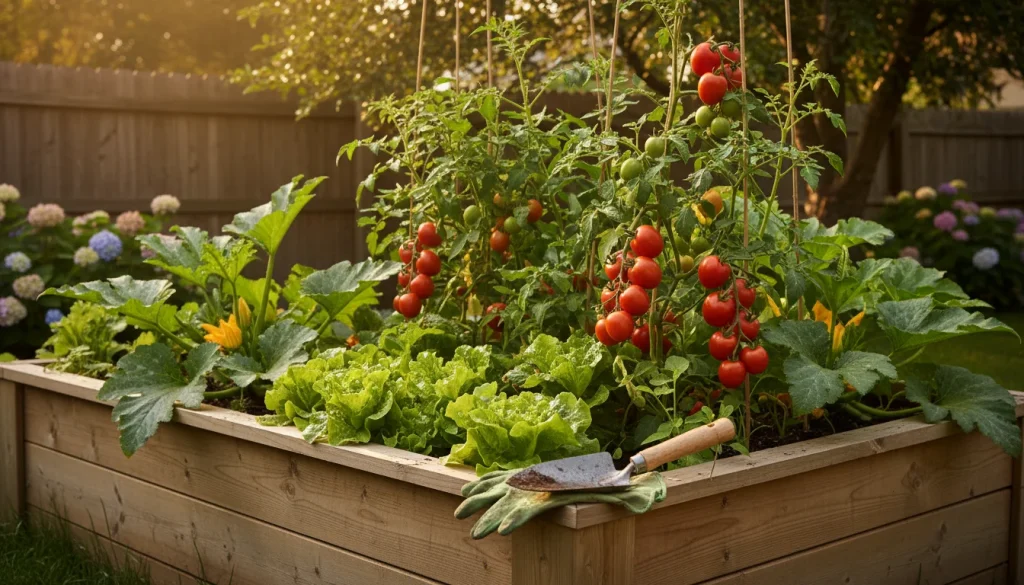
Tomatoes are the crown jewel of the vegetable garden. Everyone wants to grow them. However, starting tomatoes from seed can be tricky for a novice. They need specific light and temperature conditions to germinate properly.
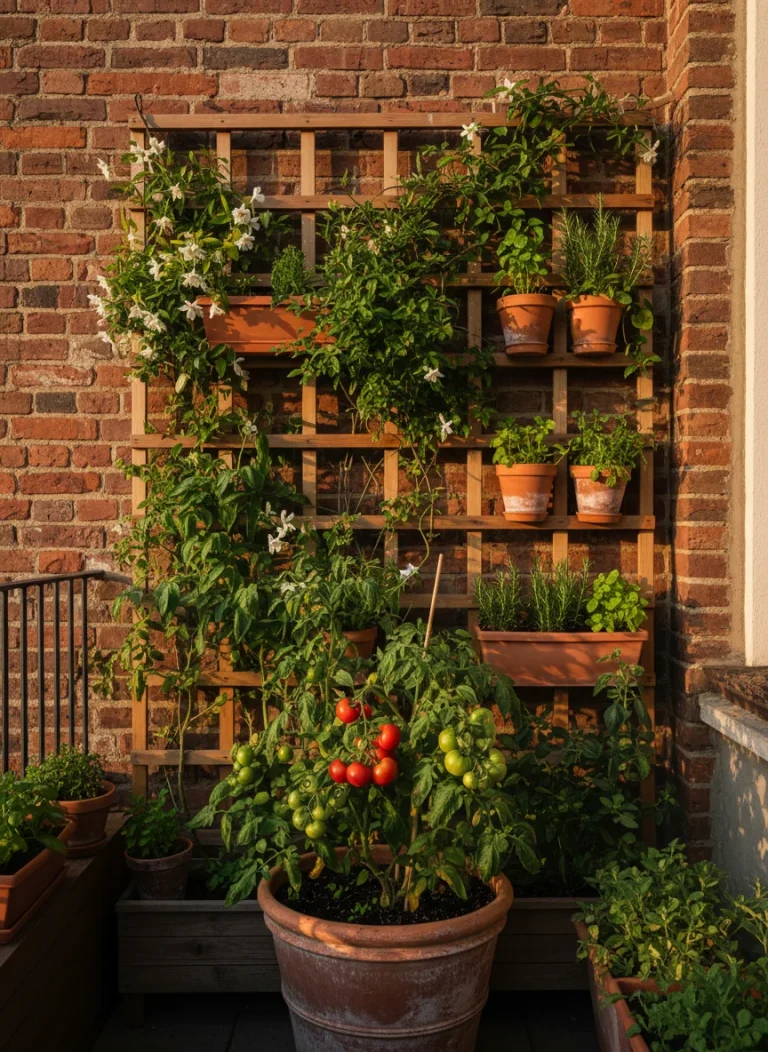
This is often overlooked, but the smartest move for a beginner is to buy transplants. These are small plants already growing in pots from a nursery. You skip the fragile seedling stage entirely. When you plant them, bury the stem a little deeper than it was in the pot. Roots will grow from the buried stem, creating a stronger plant.
Be sure to provide support. Tomato plants get heavy when they are full of fruit. Use a wire cage or a stake to keep the plant upright. This keeps the fruit off the ground and prevents rotting.
Cucumbers
Cucumbers are refreshing and crisp. They love warm weather and sunshine. Like tomatoes, they need consistent water to taste their best. If a cucumber plant gets too dry too often, the fruit can turn bitter.
You can let cucumbers sprawl across the ground if you have plenty of space. If you have a small garden, encourage them to climb a trellis. This saves space and keeps the cucumbers clean and straight.
Swiss Chard
Swiss Chard is the most beautiful plant in the vegetable patch. It has large, dark green leaves and bright stems that can be red, yellow, orange, or white. It is incredibly hardy. It can survive heat that kills lettuce, and it can survive frost that kills tomatoes.
You can cook it like spinach or eat the baby leaves raw in salads. It produces food for a very long season. It is practically indestructible.
Hidden Treasures: Root Vegetables
There is a special mystery to growing root vegetables. You cannot see the edible part growing because it is underground. Pulling them up at harvest time feels like opening a present.
Carrots and Beets
Carrots and beets are classic choices. They are relatively low-maintenance. The most critical factor for these vegetables is the soil. They need loose, well-drained dirt. If your soil is hard or full of rocks, your carrots will struggle to push down. They might end up short or twisted.
Make sure you keep the soil moist while waiting for the seeds to sprout. Carrots can be slow to germinate, so do not give up if you do not see them right away. Once they start growing, they need very little attention until harvest.
Essential Principles for Success
Choosing the right plants is step one. Step two is understanding the basic needs of a garden. You do not need a degree in horticulture. You just need to follow a few simple rules.
Grow What You Eat
This sounds obvious. Yet many people plant vegetables they think they should grow rather than what they want to eat. If you hate radishes, do not grow fifty of them just because they are easy. Grow vegetables your family enjoys. This ensures you stay motivated to water and care for the garden because you are looking forward to the harvest.
Start Small
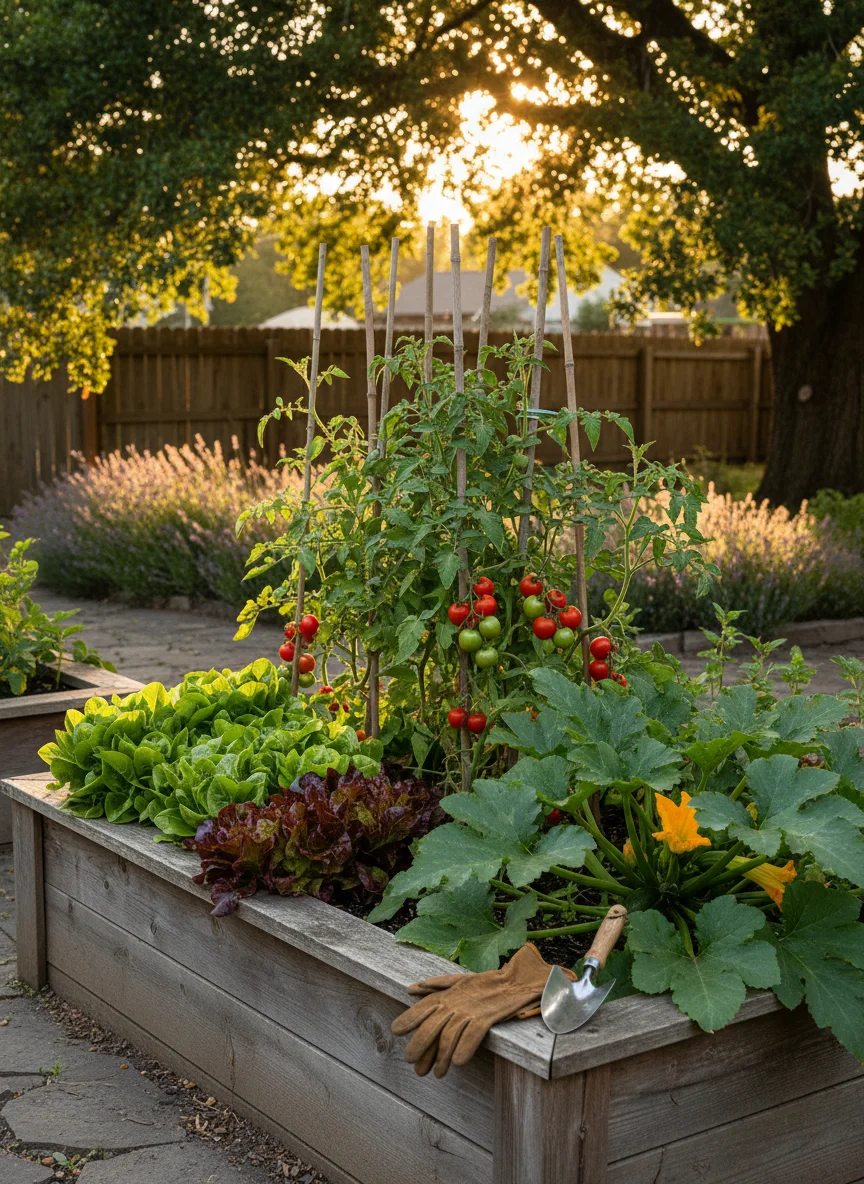
Ambition is the enemy of the beginner gardener. It is better to have a small, well-tended garden than a massive weed patch. A few large pots or a single raised bed is plenty for your first year. You can always expand next year. Start with a manageable space that you can weed and water in ten minutes a day.
Sunlight is Food
Most vegetables need full sun. This means at least six to eight hours of direct sunlight every day. Leafy greens like lettuce can handle some shade, but tomatoes and peppers need energy. Watch your yard for a day before you dig. Make sure you are planting in a bright spot.
Water Consistency
Boring, but essential. Plants need water to survive. The general rule is about one inch of water per week. It is better to water deeply a few times a week than to sprinkle a little bit every day. Deep watering encourages roots to grow down into the soil to find moisture. This makes the plants stronger and more drought-resistant.
Final Thoughts
Gardening is a journey. You will make mistakes. Some plants might die. That is part of the process. By starting with these reliable, easy-to-grow vegetables, you stack the odds in your favor. You will learn more from your first season of growing than from any book. Get your hands dirty. Plant some seeds. Watch them grow. Period.
Read More
How Long Does Garlic Take to Grow? The Complete Timeline Guide