Best Grow Bags for Vegetables in 2026: What I Use and Why
This post contains affiliate links. If you buy through my links I may earn a small commission at no extra cost to you. I only recommend products I have personally used or would buy myself.
I killed my first container vegetable garden because I used the wrong containers. Regular plastic pots, no airflow, roots circling in the dark until the whole thing collapsed in August. The second year I switched to fabric grow bags and the difference was not subtle. Better yields, healthier roots, and plants that actually made it through summer.
This guide covers exactly which grow bags work for vegetables, which sizes you need for which crops, and the two or three things nobody tells you before you buy.
My Top Picks at a Glance
| Grow Bag | Best For | Size | Link |
|---|---|---|---|
| VIVOSUN 5-Pack | Best overall value | 5 gallon | Amazon link |
| AC Infinity Heavy Duty | Best for tomatoes and peppers | 5 gallon | Amazon link |
| Gardzen 20-Pack | Best bulk buy | 5 gallon | Amazon link |
| Cavisoo Potato Bags | Best for root vegetables | 10 gallon | Amazon link |
| Smart Pots Big Bag Bed | Best raised bed alternative | 50 gallon | Amazon link |
| PHYEX 12-Pack | Best for large vegetables | 20 gallon | Amazon link |
Why Fabric Grow Bags Beat Plastic Pots for Vegetables
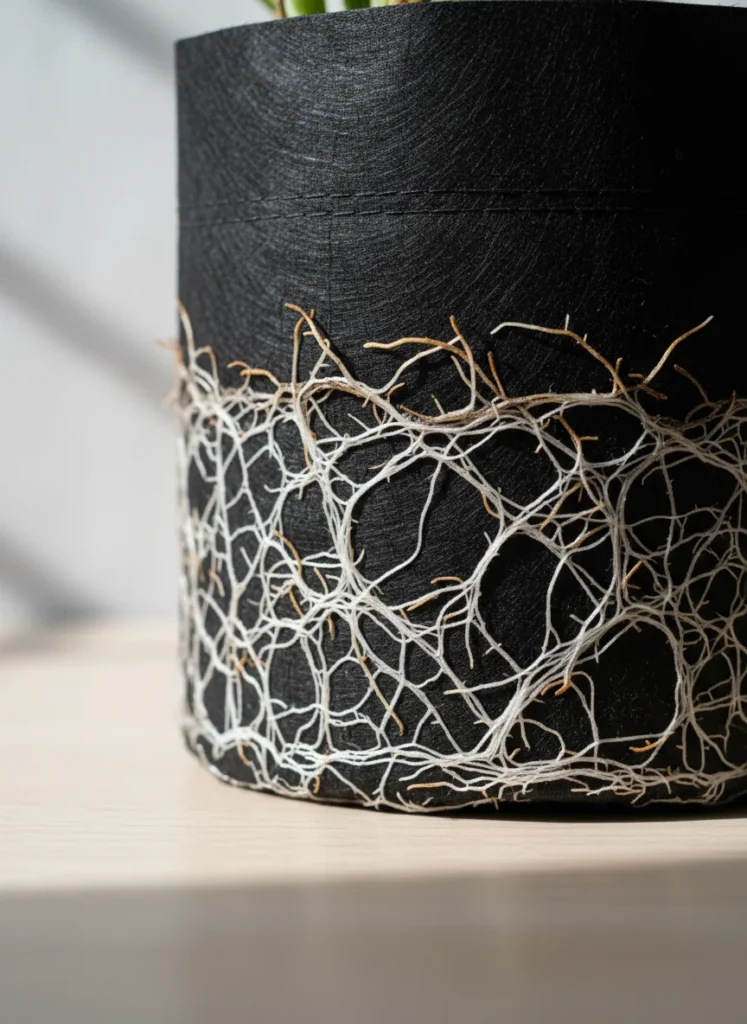
Most gardeners start with plastic pots and wonder why their vegetables underperform. The problem is not the soil or the sun. It is the container itself.
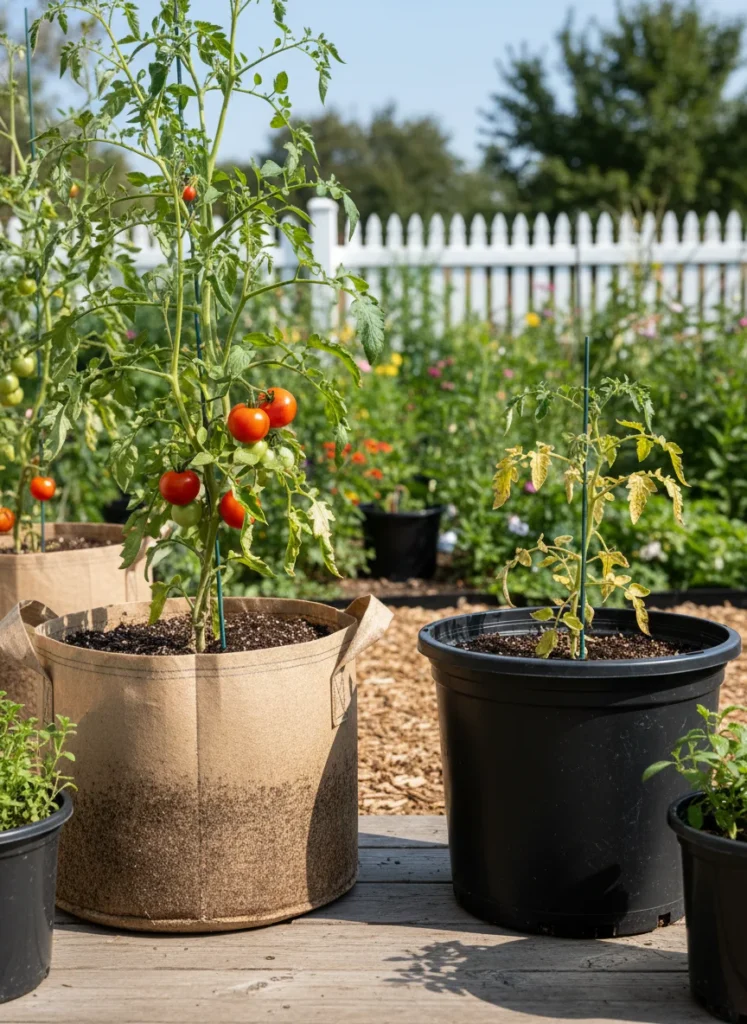
Fabric grow bags do something plastic cannot. When roots reach the wall of the bag they hit air and dry fabric instead of solid plastic. This stops the root from circling and forces it to branch out and produce new feeder roots. More feeder roots means better nutrient uptake, stronger plants, and bigger harvests. Gardeners call this air pruning and it is the single biggest reason grow bags outperform plastic for vegetables.
Drainage is the other major advantage. Overwatering is the number one cause of death in container vegetables, and fabric grow bags make it nearly impossible. Water drains straight through the walls and base of the bag. You have to water more often, yes, but you cannot accidentally drown your plants.
At the end of the season they fold flat and store in a drawer. Try doing that with twelve terracotta pots.
What to Look for Before You Buy
Fabric weight. Look for 300g per square meter or heavier. Anything lighter breaks down after one season, especially in full sun. The VIVOSUN and AC Infinity bags both use 500g fabric, which is significantly more durable and worth the slight price increase.
Handles. You will move these bags more than you expect. Double-stitched reinforced handles are not optional. Cheap handles tear the first time you lift a bag full of wet soil. Check the product listing specifically for double stitching or reinforced seams.
BPA-free material. You are growing food in these. Make sure the product listing states BPA-free, food-safe nonwoven fabric. Most reputable brands include this but always check before buying.
Size. This is where most beginners go wrong. See the size guide below before deciding.
The Complete Grow Bag Size Guide for Vegetables
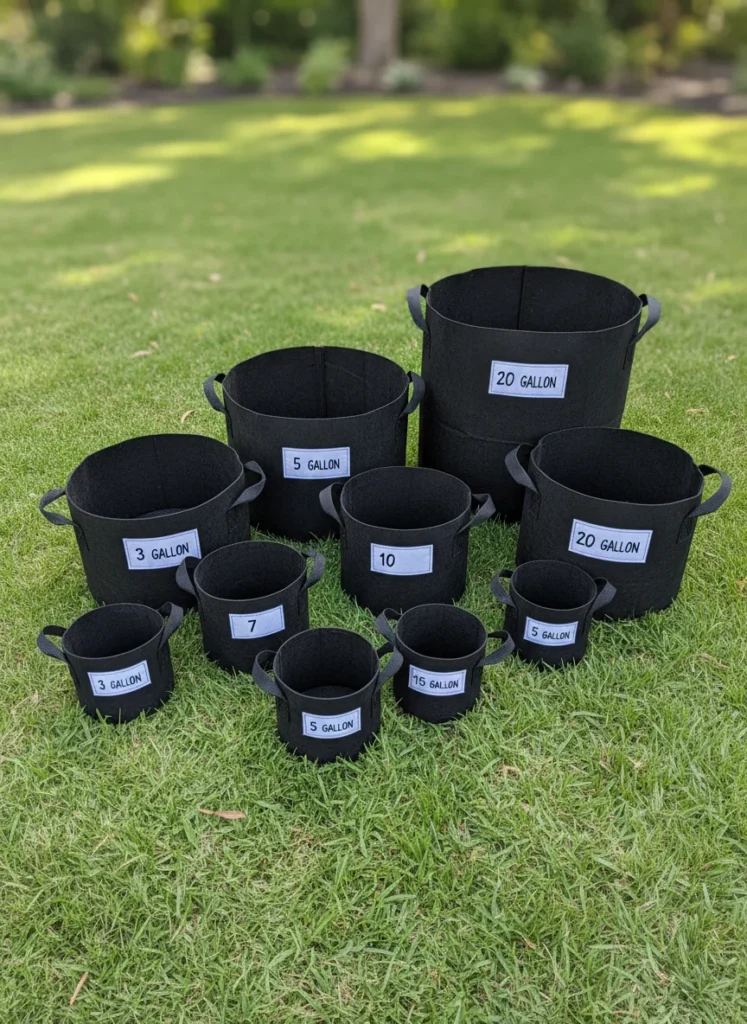
This is the most important section in this article. Using the wrong size is the most common mistake and it costs you yield before you even start.
| Vegetable | Minimum Size | Recommended Size | Notes |
|---|---|---|---|
| Lettuce, spinach, radishes | 3 gallon | 5 gallon | Shallow roots, very forgiving |
| Basil, chives, cilantro | 3 gallon | 5 gallon | Keep herb roots compact |
| Tomatoes (bush variety) | 5 gallon | 10 gallon | Bigger bag, bigger harvest |
| Tomatoes (indeterminate) | 10 gallon | 15 gallon | These get large, do not go small |
| Peppers | 5 gallon | 7 gallon | Need warmth, fabric helps regulate |
| Cucumbers | 5 gallon | 10 gallon | Trailing, pair with a trellis |
| Beans | 5 gallon | 5 gallon | Shallow roots, 5 gallon is plenty |
| Broccoli, cabbage | 5 gallon | 10 gallon | Wide root spread needed |
| Carrots, beets | 10 gallon | 15 gallon | Need depth more than width |
| Potatoes | 10 gallon | 10 gallon with harvest flap | Get the kind with the side window |
| Zucchini, squash | 10 gallon | 20 gallon | These grow aggressively |
| Kale, chard | 5 gallon | 7 gallon | Cut and come again, works well |
The rule of thumb: when in doubt go one size bigger. A plant that is too cramped will tell you every day. A plant with a little extra room will reward you all season.
The 6 Best Grow Bags for Vegetables (Reviewed)
Best Overall: VIVOSUN 5-Pack Grow Bags
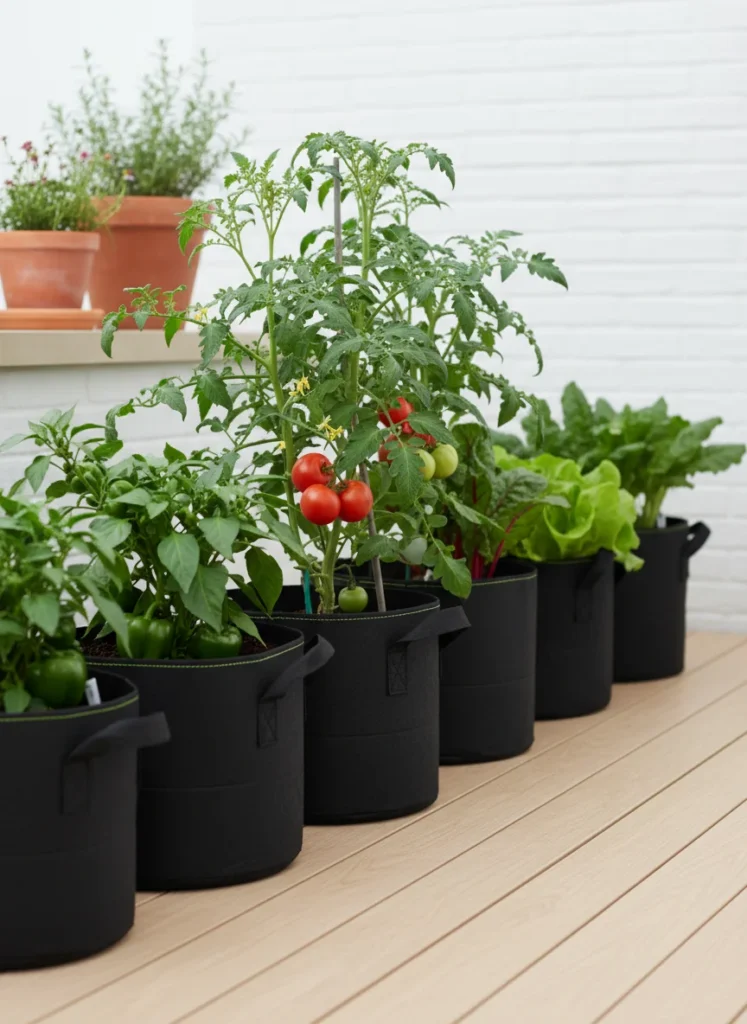
VIVOSUN is the most consistently recommended brand across every vegetable gardening community for a reason. The 500g nonwoven fabric is thick enough to last multiple seasons, the double-stitched handles have never failed me under a full load of wet soil, and the price for a five-pack is lower than most competitors charge for three.
I use these for tomatoes, peppers, cucumbers, and leafy greens. They drain well, they breathe well, and after two full growing seasons mine show minimal wear.
What I like: thick fabric, strong handles, great price per bag, BPA-free.
What to watch: black color absorbs heat in full sun, which can stress roots in very hot climates. Add a layer of mulch on top of the soil to help regulate temperature.
Available in 1, 2, 3, 5, 7, 10, 15, 20, and 25 gallon sizes.
Best for Serious Growers: AC Infinity Heavy Duty Fabric Pots
AC Infinity makes equipment for professional growers and their grow bags reflect that. The 500g fabric is noticeably thicker than budget options and they include multi-purpose rings around the rim which allow you to do low-stress training on plants like tomatoes and peppers, bending branches outward to increase light exposure and yield.
These cost more than VIVOSUN but they feel like they will outlast them by a season or two. If you are growing tomatoes or peppers and want to maximize your harvest, these are the ones to buy.
What I like: professional-grade durability, training rings included, excellent airflow.
What to watch: higher price point, overkill for lettuce or herbs.
AC Infinity Fabric Pots on Amazon
Best Bulk Buy: Gardzen 20-Pack
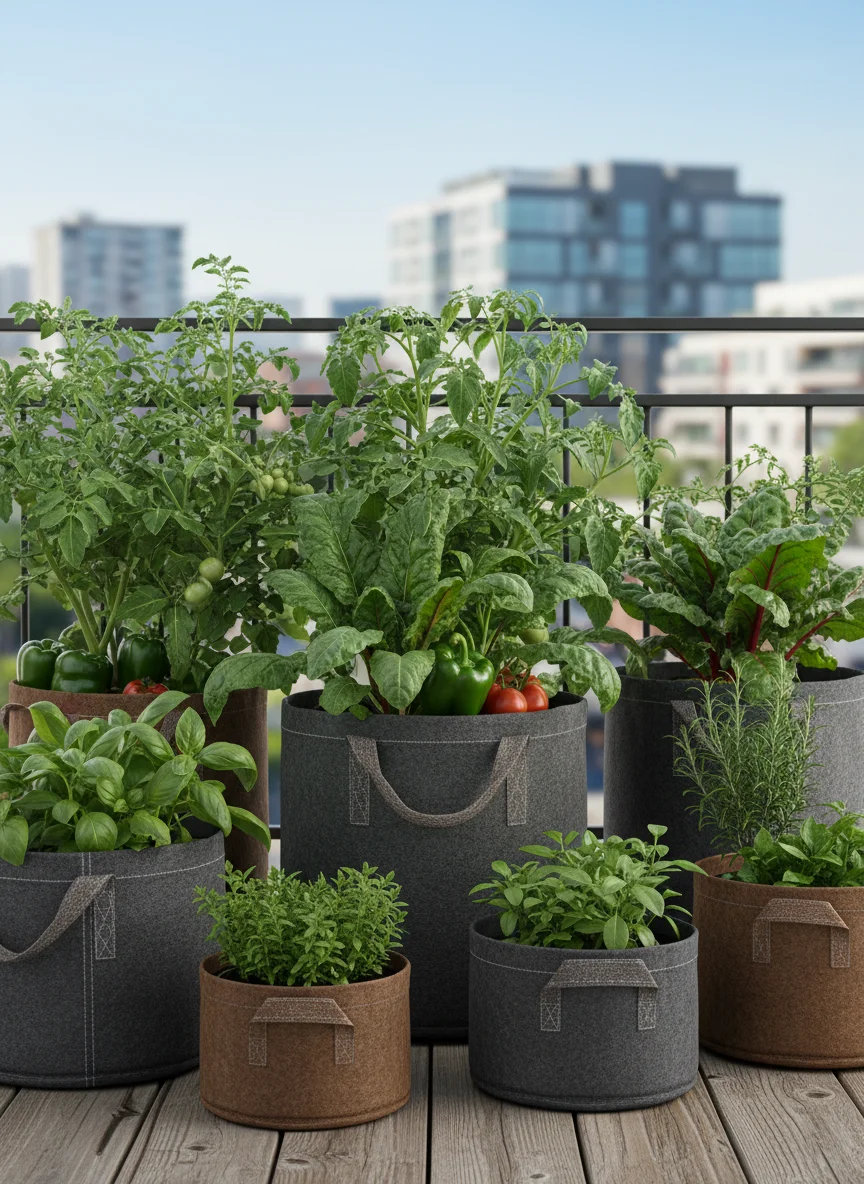
If you want to set up a serious container vegetable garden across a balcony or patio, buying in bulk is the only way to keep costs reasonable. The Gardzen 20-pack gives you twenty 5-gallon bags for roughly the price of eight bags from a premium brand.
The fabric is 300g rather than 500g, which means they are slightly less durable, but for herbs, lettuce, beans, and other low-stress crops they hold up well. I would not use these for indeterminate tomatoes or heavy squash, but for a mixed balcony garden they are excellent value.
What I like: unbeatable price per bag, handles are solid, good for seasonal use.
What to watch: 300g fabric is thinner, not ideal for multi-year heavy use.
Best for Root Vegetables: Cavisoo Potato Grow Bags with Harvest Window
Root vegetables need depth. Potatoes, carrots, and beets do not perform well in a standard grow bag because they need room to grow downward. The Cavisoo bags are 10 gallon, which gives you the depth you need, and they include a side flap near the base so you can check if your potatoes are ready without digging up the whole bag.
That harvest window sounds like a gimmick until you have used it. Being able to reach in, pull out a few new potatoes, and let the rest keep growing without disturbing the plant is genuinely useful.
What I like: side harvest window, good depth for root crops, reinforced handles.
What to watch: the flap can let soil spill if not secured properly when watering.
Cavisoo Potato Grow Bags on Amazon
Best Raised Bed Alternative: Smart Pots Big Bag Bed
Smart Pots is the original grow bag brand and the Big Bag Bed is their answer for gardeners who want a raised bed without building one. It unfolds into a 50-gallon circular planting space with no assembly required. Just open it, fill it with soil, and plant.
I have used this for a salad garden on a small patio and it genuinely performs like a raised bed. The fabric breathes, drainage is excellent, and at the end of the season it folds flat and goes in a cupboard.
What I like: no assembly, huge planting space, folds flat for storage, original grow bag quality.
What to watch: heavy when filled, not easy to move once planted up.
Smart Pots Big Bag Bed on Amazon
Best for Large Vegetables: PHYEX 12-Pack 20 Gallon
Zucchini, squash, and indeterminate tomatoes need more room than most people give them. The PHYEX 20-gallon bags give you the space these plants actually need to produce well. At 20 gallons you can grow one large plant per bag with room for companion plants like basil around the edge.
The 12-pack makes these excellent value for anyone setting up a larger container garden.
What I like: generous size, good fabric quality, excellent value for 20-gallon bags.
What to watch: large bags use a lot of soil, budget for that before you buy the bags.
PHYEX 12-Pack 20 Gallon on Amazon
How to Get the Most Out of Your Grow Bags
Use the right soil. Never use garden soil in a grow bag. It compacts and suffocates roots. Use a quality potting mix, ideally one formulated for containers. A mix of potting soil and perlite in a 70/30 ratio gives excellent drainage and aeration.
Quality potting mix on Amazon, Perlite on Amazon
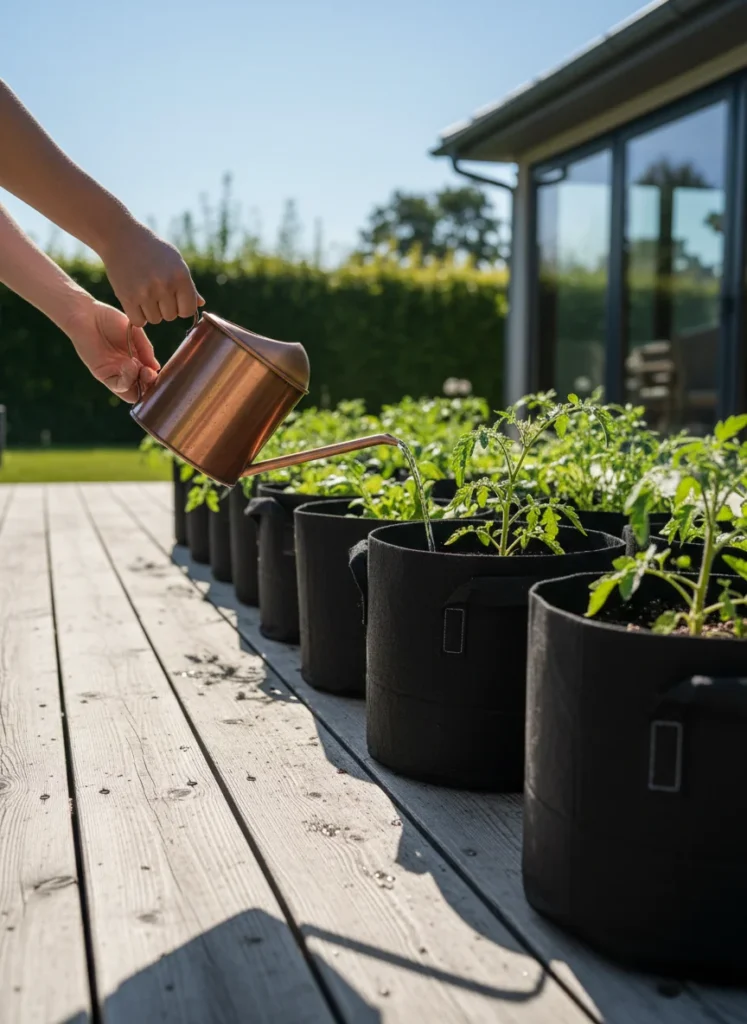
Water more than you think you need to. Fabric bags drain fast and dry out faster than plastic pots, especially in summer. In hot weather check your bags daily. Stick your finger two inches into the soil. If it is dry, water deeply.
Feed your plants regularly. Because you water so often, nutrients wash out of the soil faster than in a closed plastic pot. Use a balanced slow-release fertilizer at planting and supplement with a liquid feed every two weeks through the growing season.
Slow release fertilizer on Amazon
Elevate your bags slightly. Placing bags directly on concrete can restrict drainage from the base. A simple pallet, a few bricks, or a grow bag stand keeps the base elevated and allows water to drain freely underneath.
Label everything. When you have eight identical black bags in a row it is easy to forget what is planted where. A set of weatherproof plant labels stuck into the soil saves a lot of confusion at harvest time.
Weatherproof plant labels on Amazon
Grow Bags vs. Plastic Pots vs. Raised Beds
| Fabric Grow Bags | Plastic Pots | Raised Beds | |
|---|---|---|---|
| Air pruning | Yes | No | Partial |
| Drainage | Excellent | Moderate | Good |
| Portability | Very high | High | None |
| Cost | Low to moderate | Low | High |
| Storage | Folds flat | Stacks | Permanent |
| Lifespan | 3 to 5 seasons | 5 to 10 years | 10 or more years |
| Best for | Balconies, patios, renters | Flowers, herbs | Permanent gardens |
Frequently Asked Questions
Are fabric grow bags safe for growing vegetables? Yes. Look for bags labeled BPA-free and food-safe nonwoven fabric. All of the bags recommended in this article meet that standard. Avoid cheap plastic grow bags, which retain heat and moisture and offer none of the benefits of fabric.
How long do fabric grow bags last? With proper care, a quality 300g bag lasts two to three seasons. A 500g bag like VIVOSUN or AC Infinity typically lasts four to five seasons. Rinse them at the end of each season, let them dry fully, and store them folded indoors.
Can I reuse grow bags? Yes. Rinse with a diluted bleach solution (1 part bleach to 9 parts water) at the end of the season to kill any pathogens, rinse thoroughly with clean water, and dry completely before storing. Do not reuse soil from a diseased plant in the same bag the following season.
What size grow bag do I need for tomatoes? Bush tomatoes need at least a 5-gallon bag, but a 10-gallon bag will produce noticeably better. Indeterminate tomatoes, the kind that keep growing all season, need at minimum a 10-gallon bag and ideally a 15-gallon bag.
Do grow bags need saucers or trays? Not necessarily. The whole point of a grow bag is free drainage. If you are growing on a balcony and do not want water running onto the floor, place them on a tray filled with gravel rather than a solid saucer. A solid saucer traps water at the base and defeats the purpose of the fabric.
How often should I water vegetables in grow bags? In summer, every one to two days for most vegetables. In spring and autumn, every two to three days. Always check the soil before watering rather than following a fixed schedule. Stick your finger two inches into the soil and water if it is dry.
Can I grow potatoes in a regular grow bag? Yes but a bag with a harvest window flap makes the process significantly easier. You can check root development and harvest new potatoes without disturbing the whole plant.
My Honest Recommendation
If you are just starting out, buy a VIVOSUN 5-pack in the 5-gallon size. They are the most reliable entry point and will grow the widest range of vegetables without overthinking. If you know you want to grow tomatoes specifically, go straight to the 10-gallon size.
If you are setting up a full balcony or patio garden, the Gardzen 20-pack gives you the most bags for your money.
If you want to grow potatoes or root vegetables, get the Cavisoo bags with the harvest window. You will not regret that feature.
Every bag recommended here is on Amazon with fast shipping and free returns if something is not right.
Shop all recommended grow bags on Amazon