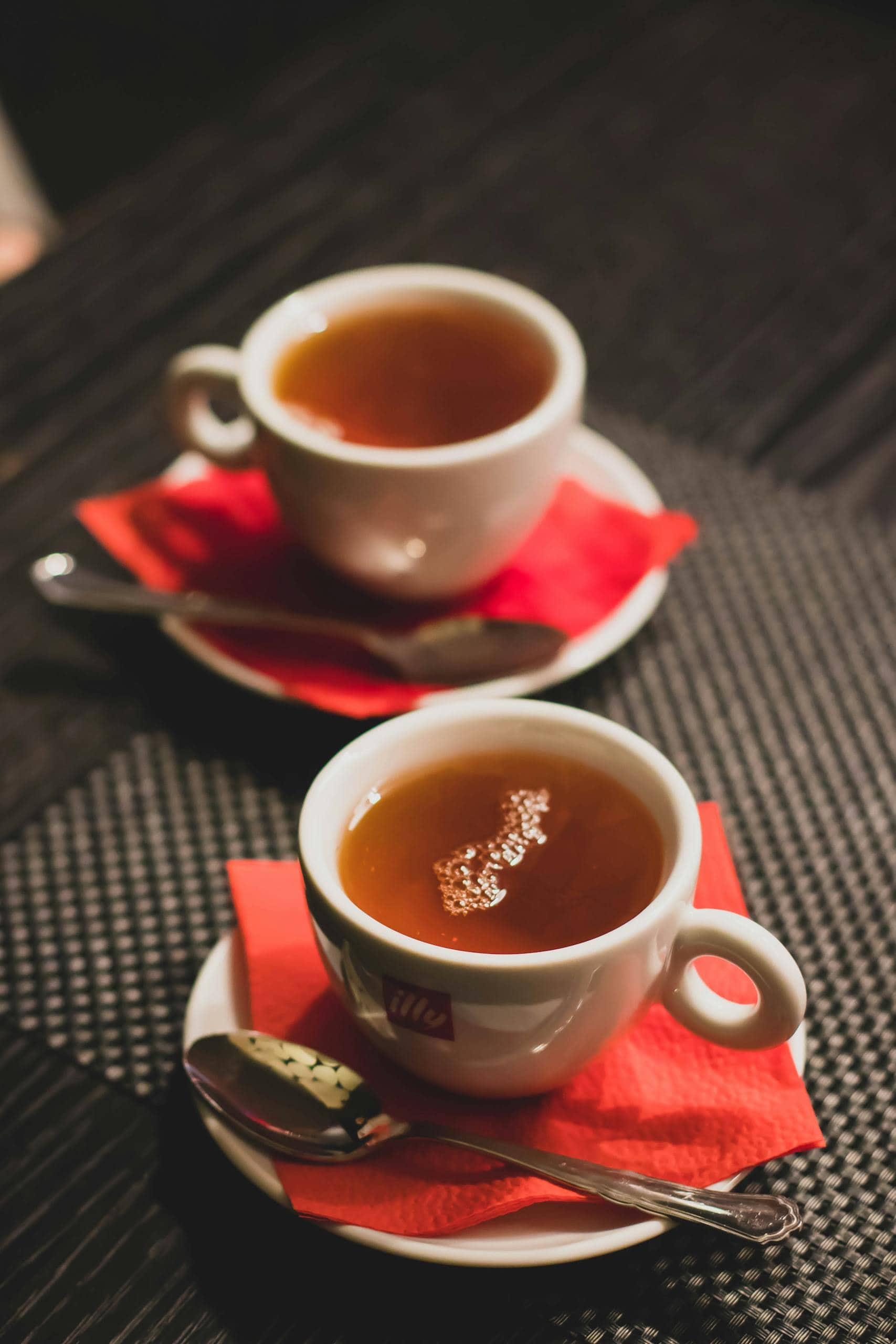
Best Herbal Teas for Better Sleep and Deep Relaxation
The world is loud. From the moment we wake up until we collapse into bed, our senses are bombarded with blue light, notifications, and the low-level hum of anxiety that seems to define modern life. It is no wonder that when the lights finally go out, the mind refuses to follow suit.
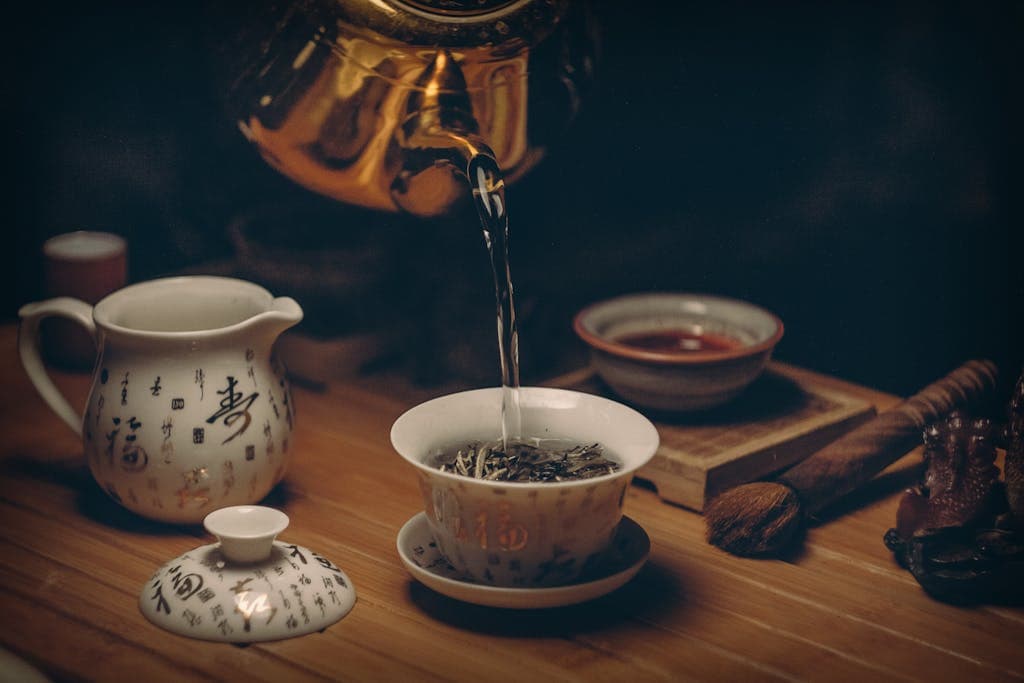
There are few remedies as ancient, or as instinctively soothing, as a hot cup of tea. It is more than just a drink; it is a sensory signal. The warmth of the ceramic mug in your hands, the rising steam carrying earthy or floral notes, and the slow, deliberate act of sipping all tell your nervous system one thing: The day is over. You are safe.
While the ritual itself is powerful, nature has provided us with specific botanicals that do more than just comfort us—they chemically alter our state of mind. For centuries, herbalists have utilized roots, flowers, and barks to treat insomnia. Today, modern science is finally catching up, validating how these plants interact with our brain’s neurotransmitters to induce deep, restorative sleep.
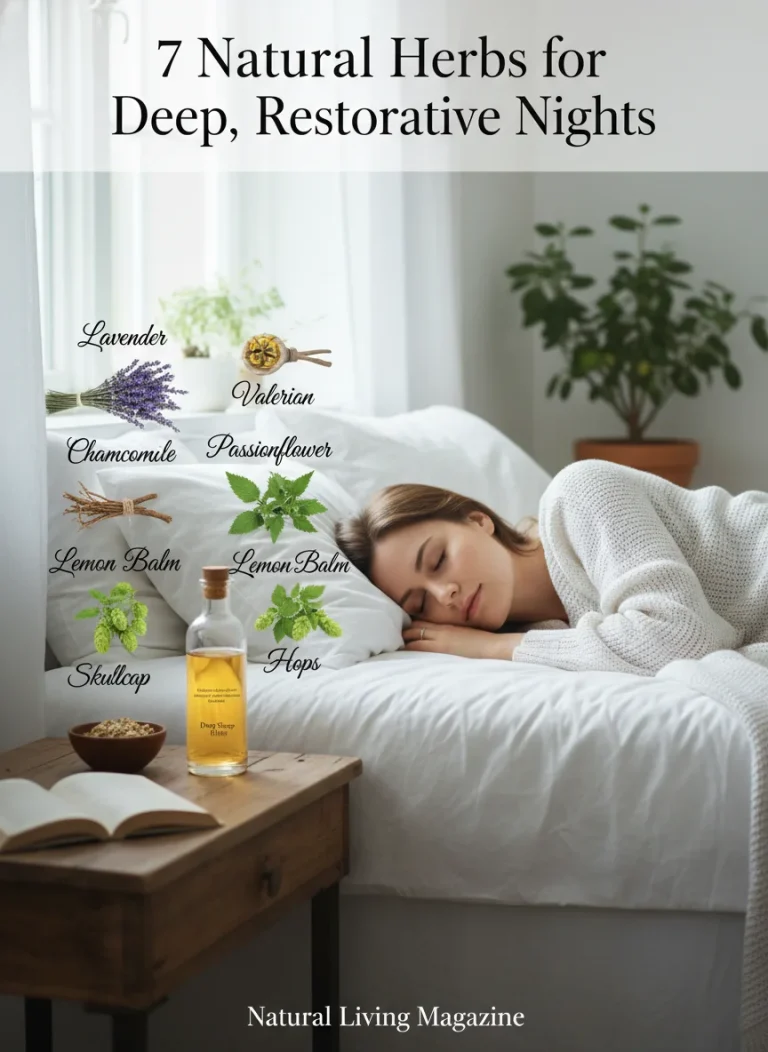
If you are tossing, turning, or staring at the ceiling, here are the six best herbal teas to help you drift off.
The Science of the Steep: Why Tea Helps You Sleep
Before diving into specific herbs, it is important to understand why this works. It isn’t magic; it’s biochemistry.
Many sleep-promoting teas work by influencing the GABA (gamma-aminobutyric acid) receptors in the brain. GABA is a neurotransmitter that acts like the brakes on a car—it slows down nerve activity and reduces the “noise” in your nervous system. When your GABA levels are optimized, you feel a wave of calm wash over you.
Furthermore, the physical temperature of the tea plays a role. Drinking a hot beverage initially raises your body temperature slightly. As your body works to cool itself back down, that drop in internal temperature mimics the natural biological process that occurs right before you fall asleep, effectively tricking your body into drowsiness.
The 6 Most Powerful Herbal Teas for Deep Sleep
We have analyzed the research and historical use cases to narrow down the six most effective botanical contenders for your nightly routine.
1. Chamomile: The Gentle Classic
Best for: Mild stress and initiating sleep.
Chamomile is the grandmother of sleep teas, and for good reason. It is likely the most famous soothing herb in the Western world. But it isn’t just a placebo.
Research suggests that chamomile contains an antioxidant called apigenin. This compound binds to specific receptors in your brain that may decrease anxiety and initiate sleep. It functions somewhat similarly to anti-anxiety medications, though much more gently. A 2017 study on elderly adults found that those who consumed chamomile extract significantly improved their sleep quality compared to those who didn’t.
Flavor Profile: Light, floral, and slightly apple-like. It is gentle on the palate and pairs beautifully with a drop of honey.
2. Valerian Root: The Heavy Lifter
Best for: Chronic insomnia and falling asleep faster.
If chamomile is a gentle lullaby, Valerian root is a weighted blanket. Native to Europe and Asia, Valerian has been used to treat insomnia since the days of ancient Greece and Rome.
This is arguably the most powerful herb for sleep latency (the time it takes to fall asleep). Studies indicate that Valerian may block the breakdown of GABA in the brain, encouraging deep sedation. It is often the primary ingredient in “nighty night” blends because of its potency.
Flavor Profile: Be warned—Valerian is strong. It has a pungent, earthy, woody taste that some describe as “dirty socks.” It is an acquired taste, often best masked by blending it with mint or lemon balm.
3. Lavender: Aromatherapy in a Cup
Best for: Relaxation and calming the nervous system.
We often think of lavender as a scent for pillows or baths, but brewing the violet buds creates a potent tea. The magic of lavender lies in its interaction with the limbic system—the part of the brain that processes emotions.
Clinical trials have shown that merely inhaling the scent of lavender can increase the percentage of deep, slow-wave sleep in men and women. Drinking it delivers those volatile oils internally. It is particularly effective for those whose sleeplessness is driven by restlessness or agitation.
Flavor Profile: Intensely floral, slightly sweet, and perfumed. A little goes a long way.
4. Lemon Balm: For the Anxious Mind
Best for: Anxiety-related sleep issues and mood lifting.
A member of the mint family, Lemon Balm (Melissa officinalis) is a citrus-scented herb that has been used since the Middle Ages to reduce stress. If your sleep problems are rooted in a racing mind or high anxiety, this is your tea.
Research suggests that Lemon Balm is most effective when combined with other herbs like Valerian. It helps to smooth out the jagged edges of a stressful day, reducing cortisol levels and preparing the mind for rest without the heavy sedation of Valerian.
Flavor Profile: Bright, citrusy, and refreshing. It tastes much better than it sounds for a sleep tea.
5. Passionflower: Improving Sleep Quality
Best for: Staying asleep and deep relaxation.
Despite the intense name, Passionflower is deeply calming. Native to the Americas, this vine produces intricate, alien-looking purple flowers.
Studies have compared Passionflower tea to pharmaceutical sleep aids, finding that while the herb might work more slowly, it produces no “hangover” effect the next morning. It is excellent for improving overall sleep quality—meaning you wake up feeling more refreshed rather than groggy.
Flavor Profile: Grassy, earthy, and mild. It blends well with chamomile.
6. Magnolia Bark: The Cortisol Reducer
Best for: Waking up in the night and stress management.
A staple in traditional Chinese medicine (where it is known as Houpu), Magnolia Bark is gaining traction in modern sleep science. The bark contains bioactive compounds called honokiol and magnolol.
These compounds are superstars at modifying GABA receptors and, crucially, lowering cortisol (the stress hormone). If you are the type of person who wakes up at 3:00 AM with your heart pounding about a work deadline, Magnolia tea might be the solution. It helps keep the body’s stress response damp so you can stay in a slumber state.
Flavor Profile: Bitter, pungent, and medicinal. Usually found in capsule form or blended teas.
How to Brew the Perfect Sleep Elixir
Brewing herbal tea for medicinal purposes is different than dunking a tea bag for 30 seconds. To extract the essential oils and active compounds, you need time and heat.
The Golden Rule: Cover Your Cup.
When you pour hot water over herbs (especially lavender, chamomile, and mint), the steam that rises contains the volatile oils—the very stuff that helps you sleep. If you let the steam escape, you are losing potency. Always cover your mug with a saucer while it steeps.
The “Deep Sleep” Blend Recipe
If you want to create a powerhouse tea at home, try this blend:
•1 part Dried Chamomile (the base)
•1 part Lemon Balm (for flavor and anxiety)
•½ part Valerian Root (for potency)
•Instructions: Mix herbs in a jar. Use 1 tablespoon of the blend per cup of boiling water. Cover and steep for 10 to 15 minutes. Strain and drink 45 minutes before bed.
Safety First: When to Be Careful
While these teas are natural, “natural” does not always mean neutral. Herbs are active compounds.
•Pregnancy: Always consult a doctor. Some herbs, like chamomile and valerian, are generally discouraged during pregnancy or breastfeeding.
•Interactions: If you are taking benzodiazepines (like Xanax) or other sedatives, adding strong herbal teas like Valerian can cause excessive drowsiness or respiratory depression.
•Drowsiness: Never drink these teas before driving. They are designed to knock you out—let them.
The Final Sip
Sleep is not a waste of time; it is the foundation of your health. Integrating herbal tea into your nightly routine does more than deliver chemical compounds to your brain. It forces you to slow down. It requires you to boil water, wait for the steep, and sip slowly.
In a world that demands instant gratification, this slow, deliberate act of self-care might be the very thing you need to finally catch those elusive Zzz’s.
So, put the kettle on. The day is done.
FAQ Section
Q: What is the single most powerful herb for sleep?
A: Valerian Root is generally considered the most potent herbal sedative available without a prescription. It has the strongest effect on sleep latency (helping you fall asleep fast), though its strong taste can be polarizing.
Q: Which tea is best for calming anxiety and sleep?
A: Lemon Balm and Lavender are the top choices here. They specifically target the nervous system to reduce anxiety and agitation, making them ideal for people who can’t sleep because they are worried or stressed.
Q: Can I drink these teas every night?
A: Generally, yes. Teas like Chamomile and Lemon Balm are safe for nightly use. However, with stronger herbs like Valerian or Magnolia Bark, it is often recommended to use them for a few weeks and then take a break to prevent building a tolerance.
Q: How long before bed should I drink tea?
A: Aim for 45 to 60 minutes before bed. This gives the herbs time to metabolize and start working, and it also gives you time to use the bathroom before you fall asleep, preventing middle-of-the-night disruptions.
Q: Do these teas contain caffeine?
A: No. True herbal teas (tisanes) made from the plants listed above are naturally 100% caffeine-free. Avoid “sleep blends” that include Green or Black tea bases, as those contain caffeine.
Disclaimer: This information is for educational purposes. Please consult a healthcare provider before trying new herbal remedies. Please read our full disclaimer here.