The 12 Best Vegetables to Grow in Grow Bags This Summer. Ranked by How Easy They Are.
This post contains affiliate links. If you buy through them I earn a small commission at no extra cost to you. I only recommend products I would use myself.
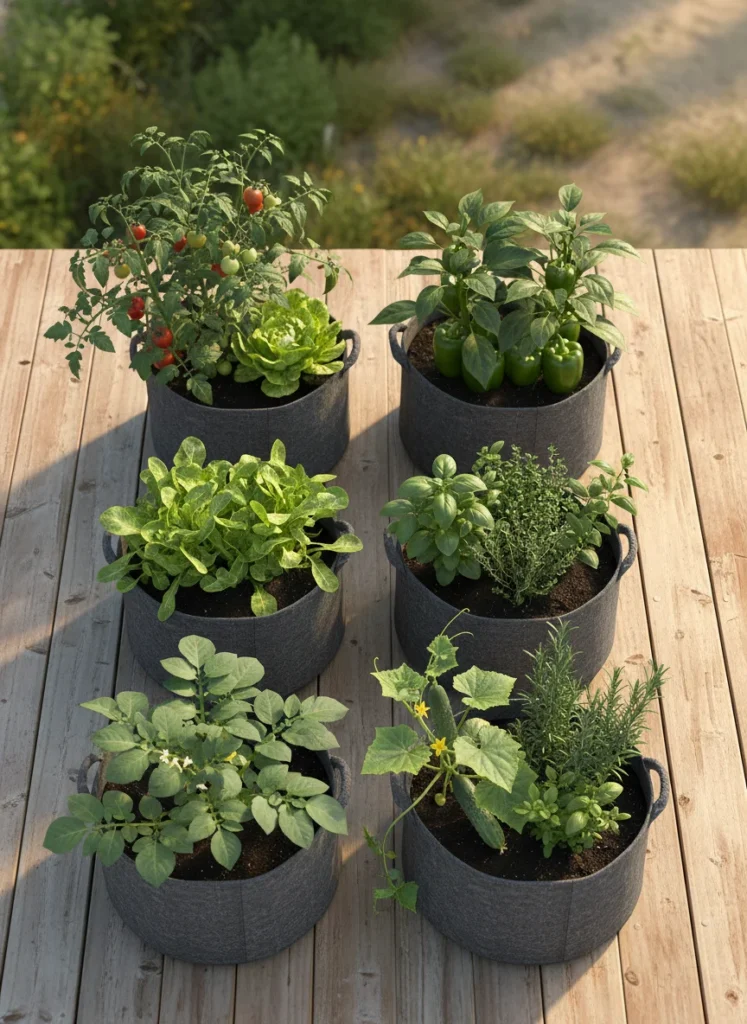
Grow bags are one of the most practical things to happen to small space gardening in years.
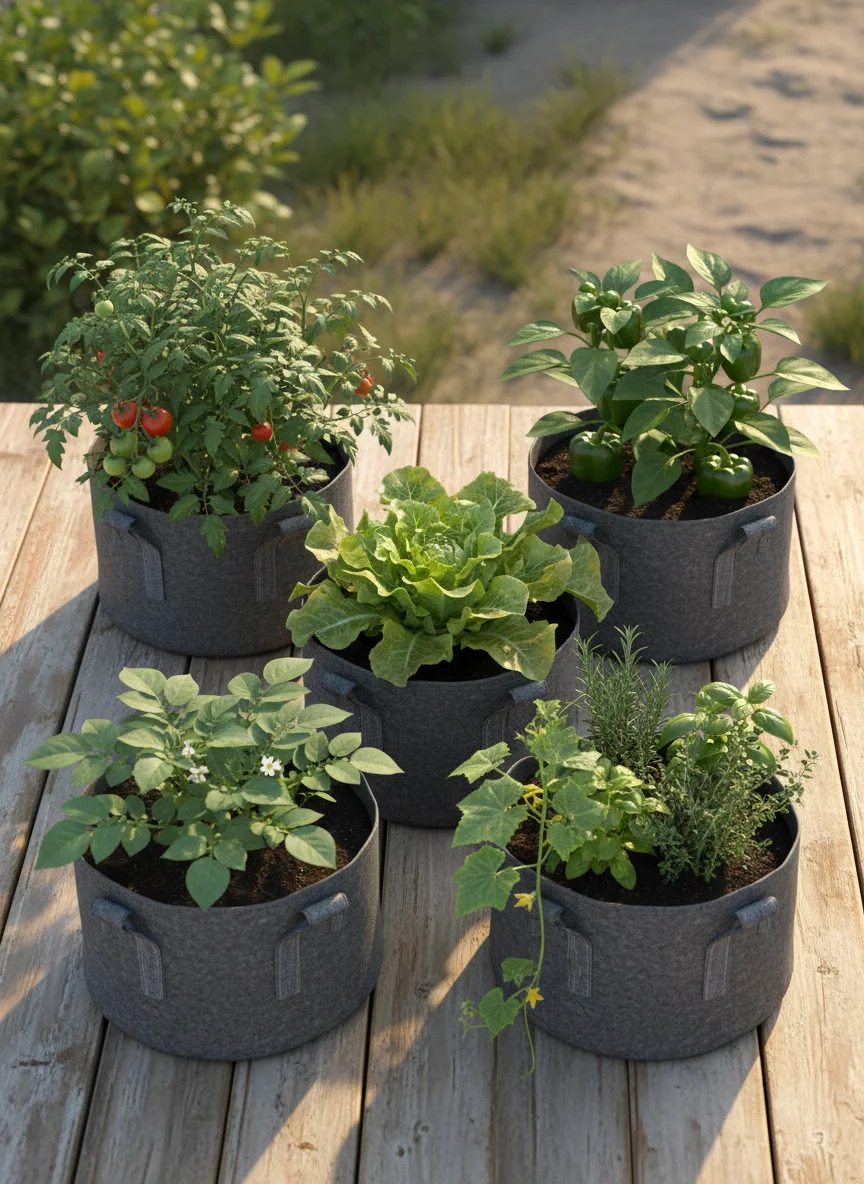
They are cheap, lightweight, breathable, and easy to move around. They drain better than most plastic pots, encourage healthier root development through air pruning, and fold flat for storage when the season ends. You can fill them with exactly the soil mix you want, position them wherever the sun is best, and grow food in spaces that would otherwise produce nothing.
The only real question is what to plant in them.
Not every vegetable thrives in a grow bag. Some have root systems too large or too deep for the soil volume a bag provides. Others actively prefer the contained environment and produce more than they would in a garden bed. The 12 vegetables on this list fall firmly into the second category.
They are ranked from easiest to most rewarding, with grow bag size, tips for success, and the mistakes that cause most people to fail for each one.
1. Lettuce and Salad Greens
Grow bag size: 3 to 5 gallons
Lettuce is the most forgiving crop you can grow in a bag and the one with the fastest return on effort. Seeds germinate in days, plants are ready to harvest in weeks, and the cut-and-come-again method means one planting provides multiple harvests. Scatter seeds on the surface of moist potting mix, press them in lightly, and keep the soil consistently moist until germination.
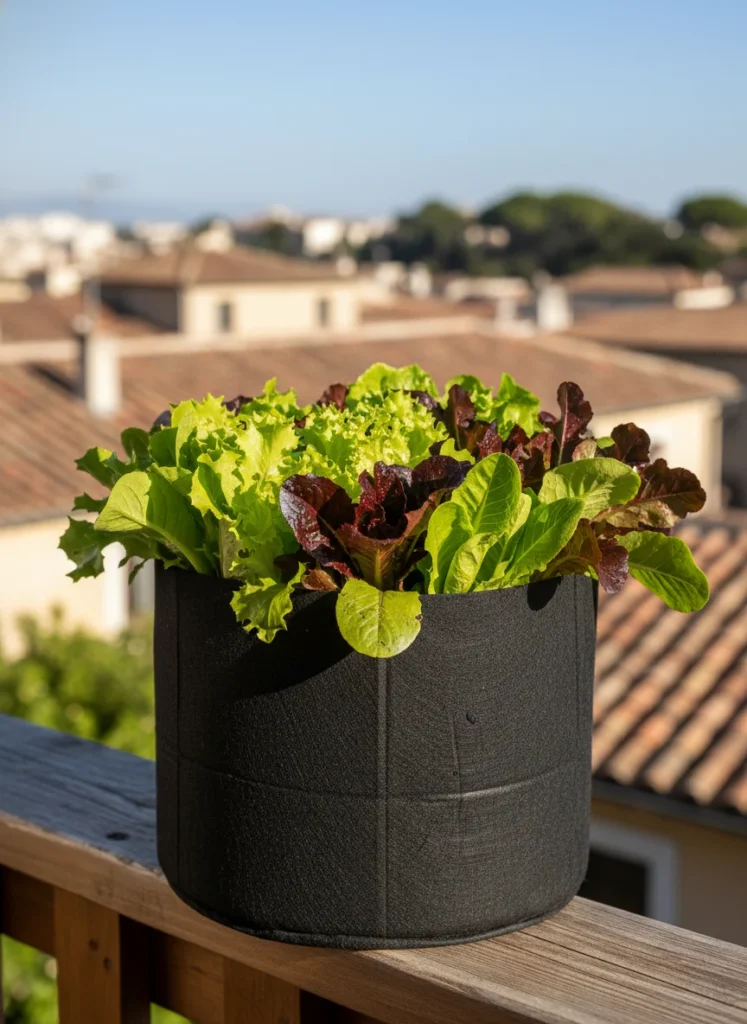
The main challenge with lettuce in bags is heat. Lettuce bolts quickly when temperatures rise above 75°F. In early summer, position your lettuce bag where it gets morning sun but is shaded from the hottest afternoon sun. This extends the harvest window by several weeks. When the plant bolts and turns bitter, empty the bag, refresh the potting mix, and plant again in late summer for a fall crop.
Loose-leaf varieties like Oak Leaf, Black Seeded Simpson, and Butterhead work better in bags than iceberg types, which need more root depth for head formation.
Succession planting every two to three weeks gives you continuous harvests rather than one overwhelming glut followed by nothing.
2. Radishes
Grow bag size: 3 to 5 gallons, at least 8 inches deep
Radishes are the vegetable that shows complete beginners they can actually do this. From seed to table in 25 to 30 days. They ask almost nothing and give back immediately.
A 5-gallon bag can hold a surprisingly high density of radishes. Sow seeds directly into moist potting mix at half an inch deep and two inches apart. They do not transplant well, so always sow directly where they will grow.
The main cause of failure is too much heat or too little water. Radishes need consistent moisture or they become woody and bitter. They prefer cooler weather, which makes them perfect for early spring and again in fall. In peak summer heat they are not the best choice.
Cherry Belle and French Breakfast are reliable performers in containers. Daikon varieties need deeper bags of at least 12 inches and are better suited to larger rectangular planters.
3. Bush Beans
Grow bag size: 5 to 7 gallons
Bush beans are genuinely satisfying to grow in bags because they produce abundantly in a compact space. Unlike pole beans, they do not require staking, stay bushy and contained, and produce all their harvest over a few concentrated weeks.
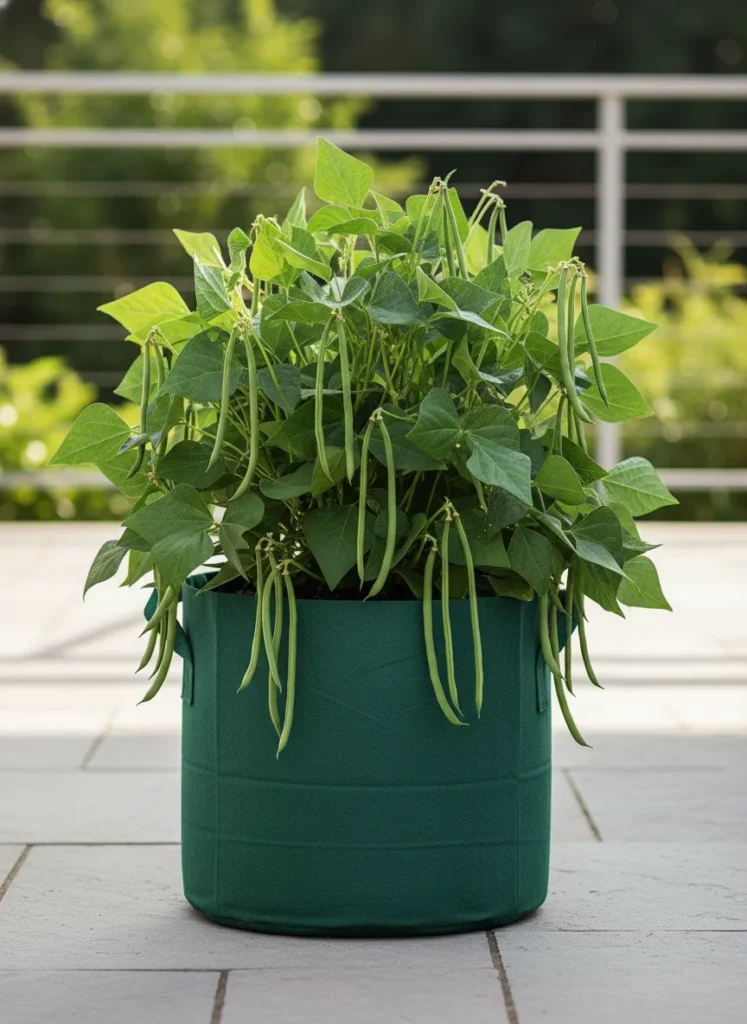
Sow seeds directly into the bag at one inch deep and four to six inches apart. Do not start beans indoors. They dislike root disturbance and germinate quickly in warm soil anyway. Wait until soil temperatures are consistently above 60°F before planting.
Beans are not heavy feeders. In fact, they fix nitrogen from the air with the help of root bacteria, which means too much nitrogen fertilizer produces lush foliage at the expense of pods. Use a potting mix with balanced nutrition rather than a nitrogen-heavy feed.
Provider, Blue Lake Bush, and Contender are proven performers in containers. Harvest pods when they are firm and before the seeds inside begin to swell visibly through the pod wall.
4. Spinach
Grow bag size: 3 to 5 gallons
Spinach is a cool-season crop that belongs in every early summer and fall grow bag lineup. It is fast to germinate, quick to harvest, and does not need much root depth which makes it ideal for shallower bags.
Sow seeds directly at half an inch deep and three inches apart. Thin seedlings as they emerge to prevent overcrowding. Spinach prefers full sun in cool weather but appreciates afternoon shade as temperatures rise.
The biggest management consideration is bolting. Once daytime temperatures consistently exceed 75°F, spinach runs to seed and becomes bitter. Plan your planting around this. Early March to May and again from August to October are the productive windows for most US growing zones.
Baby spinach harvested young and continuously gives a longer productive window than letting plants mature fully before harvesting.
5. Cherry Tomatoes
Grow bag size: 10 to 15 gallons
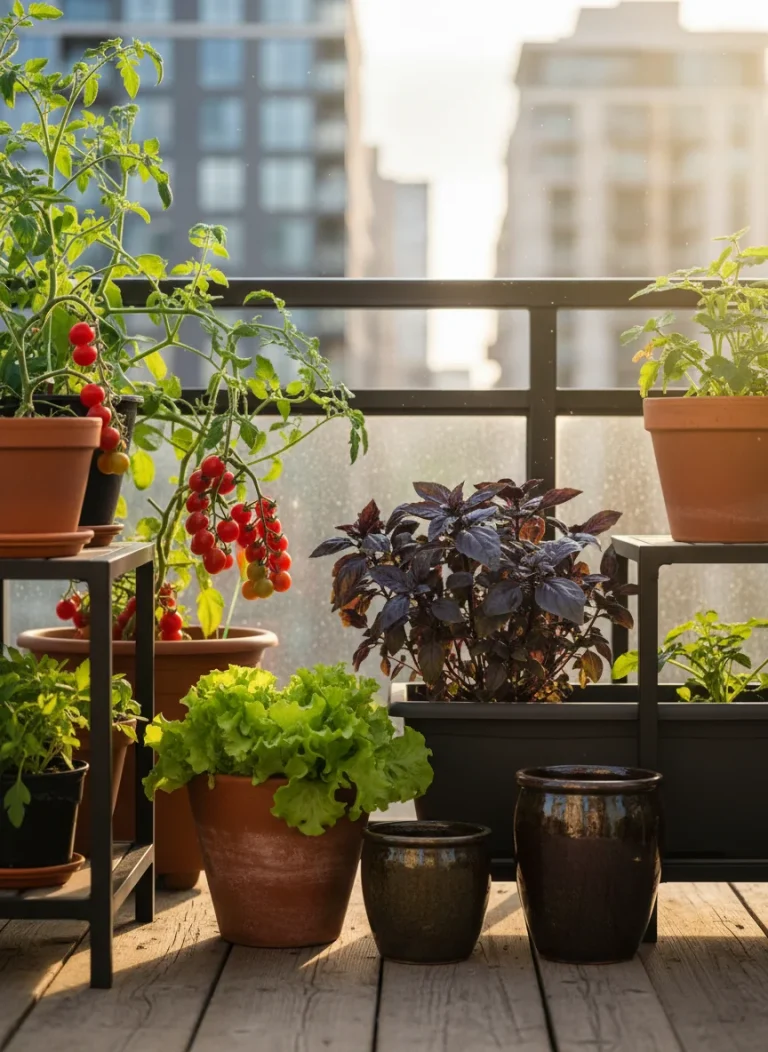
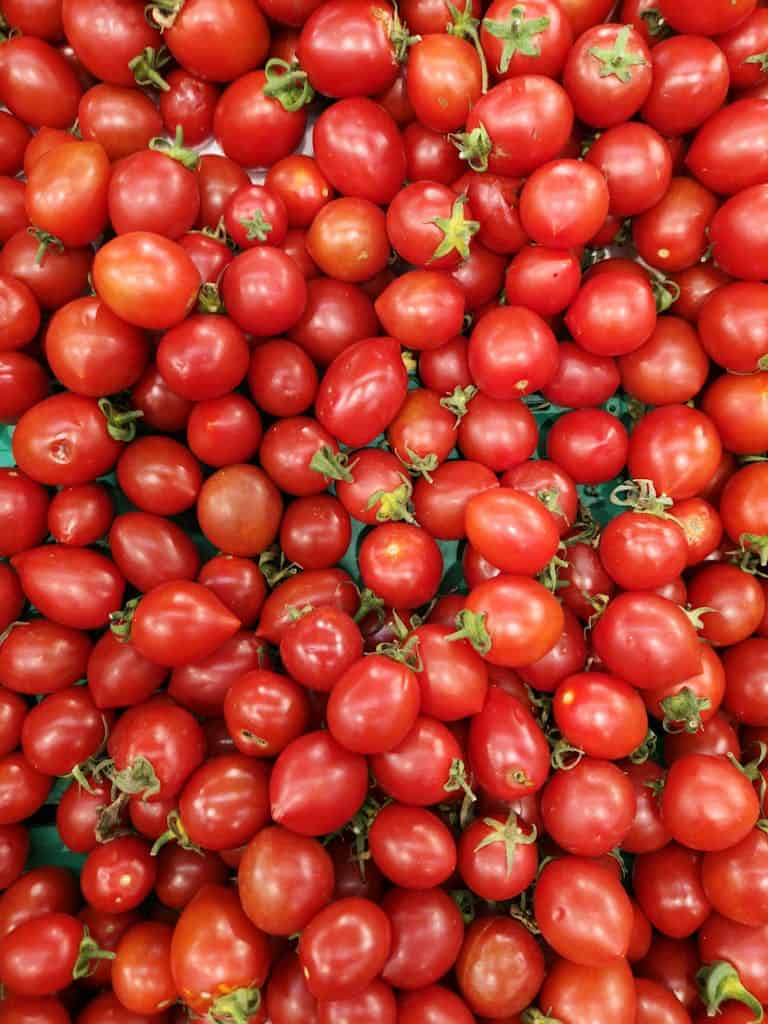
Cherry tomatoes in a properly sized bag are one of the most productive containers you can set up on a balcony or patio. They produce continuously from midsummer until the first frost and require less attention than large beefsteak varieties while still delivering a substantial harvest.
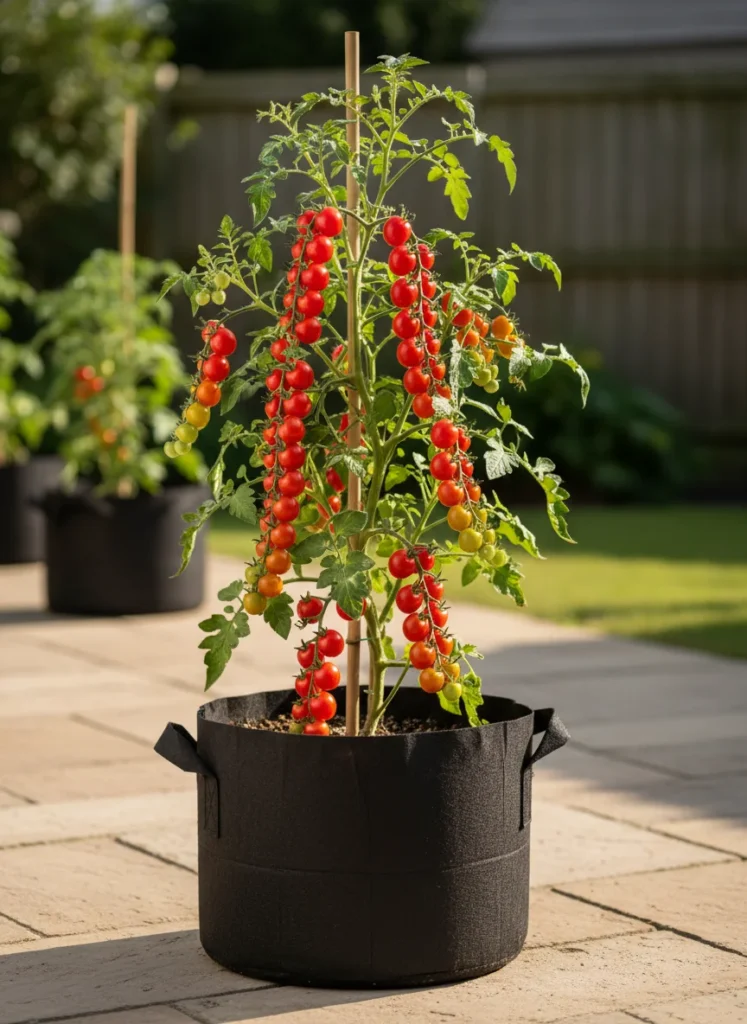
The critical rule for tomatoes in grow bags is choosing the right size. A 10-gallon bag is the absolute minimum for standard cherry tomato varieties. A 15-gallon bag produces noticeably better results with more consistent moisture retention and less frequent feeding required. For full details on sizing, read our guide on what size grow bag for tomatoes.
Sun Gold is consistently one of the best cherry tomato varieties for container growing. It is reliably productive, disease resistant, and produces sweet orange tomatoes that outperform most supermarket versions completely. Sweet Million and Black Cherry are also excellent container performers.
Water consistently. Tomatoes that dry out and rewet repeatedly crack their fruit and develop blossom end rot. A self-watering insert placed inside the grow bag significantly reduces watering demands and produces more consistent results especially during periods when you cannot check the bag daily.
15-gallon fabric grow bags with handles
6. Peppers
Grow bag size: 5 to 10 gallons
Peppers are quieter than tomatoes but equally rewarding once you understand what they need. They are slower to establish, prefer consistent warmth, and produce heavily once they get going.
Bell peppers and sweet peppers need 10-gallon bags for best results. Hot pepper varieties and smaller compact types like the trending table top chilli varieties do well in 5 to 7-gallon bags. Chillies in particular are remarkably container-friendly, staying compact while producing abundant fruit through the summer.
The single most common mistake with peppers in bags is planting too early. Pepper roots are sensitive to cold soil and cold temperatures stunt growth they never fully recover from. Wait until nighttime temperatures are reliably above 55°F and daytime temperatures are consistently in the 70s before setting plants outdoors.
Feed peppers with a fertilizer high in potassium and phosphorus once they start flowering. Too much nitrogen produces lush green plants with few flowers and poor fruit set.
7. Potatoes
Grow bag size: 10 to 15 gallons
Growing potatoes in bags is one of the most satisfying grow bag experiences available. There are no digging tools required, no bending over a garden bed trying to find where the tubers have spread to, and no risk of accidentally spearing a potato with a fork during harvest. You tip the bag over and there they are.
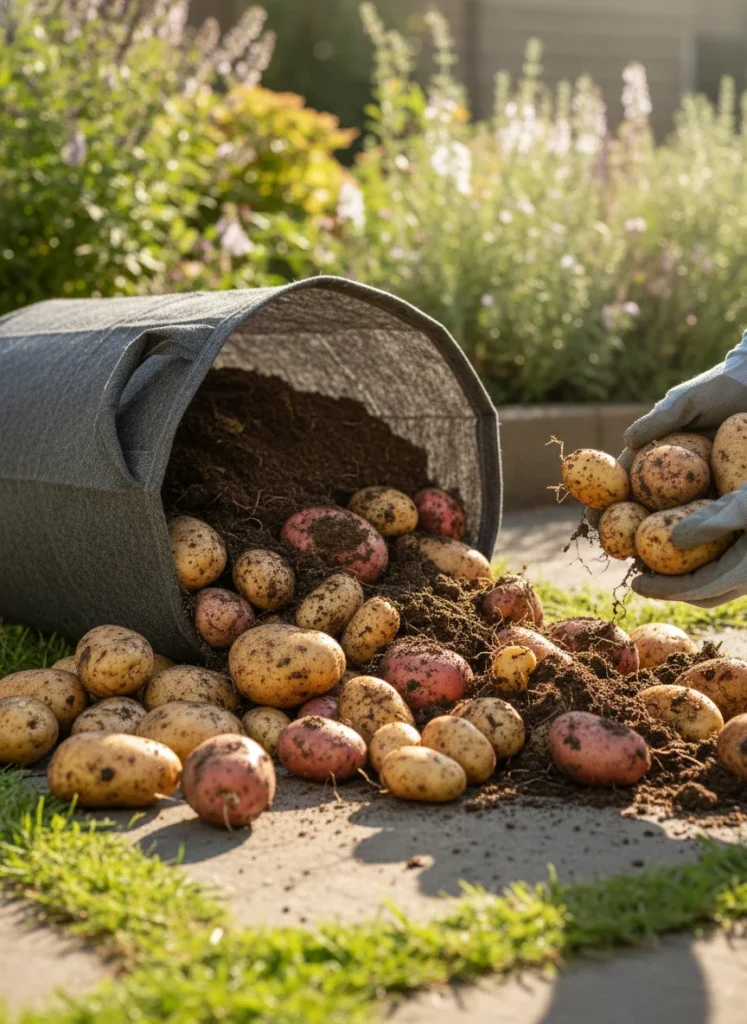
The method is straightforward. Fill the bag one third full with potting mix. Place two to three seed potatoes on the surface with their eyes facing upward. Cover with four inches of soil. As the plants grow and reach six inches above the soil surface, add more potting mix to cover all but the top leaves. Continue this earthing up process until the bag is full. This encourages more tuber formation at each level you cover.
Harvest timing depends on variety. Early potatoes are ready when the plant flowers. Maincrop varieties are ready when the foliage yellows and dies back.
Charlotte, Yukon Gold, and Red Pontiac are reliable bag performers. Fingerling varieties particularly suit the grow bag method because their compact tubers fit naturally within the limited root space.
8. Cucumbers
Grow bag size: 10 to 15 gallons
Cucumbers do surprisingly well in bags once you accept two requirements upfront. They need a trellis from day one, and they need consistent daily watering in summer heat.
Bush varieties like Spacemaster work in 10-gallon bags. Vining varieties produce more heavily but need 15-gallon bags and a proper trellis structure. For the complete guide to growing cucumbers in containers including variety selection and setup details, read how to grow cucumbers in pots.
The reward for meeting those two requirements is a continuous harvest through summer of fresh cucumbers that taste noticeably better than anything from a supermarket.
9. Zucchini and Summer Squash
Grow bag size: 20 gallons minimum
Zucchini in a grow bag requires the most space on this list but delivers one of the most dramatic results. A single well-grown zucchini plant in a 20-gallon bag can produce more fruit than most people expect. The challenge is containing its exuberance.
The mistake most people make is underestimating how large zucchini plants get. They spread wide and produce large leaves that create significant shade. Position your zucchini bag where it will not shadow other smaller containers and give it room to expand.
One plant per bag is the rule. Two plants in one bag compete aggressively and produce less combined than one plant in its own properly sized container.
Harvest zucchini frequently when fruit is 6 to 8 inches long. A zucchini left on the plant grows from harvest size to marrow size alarmingly quickly and signals the plant to slow production.
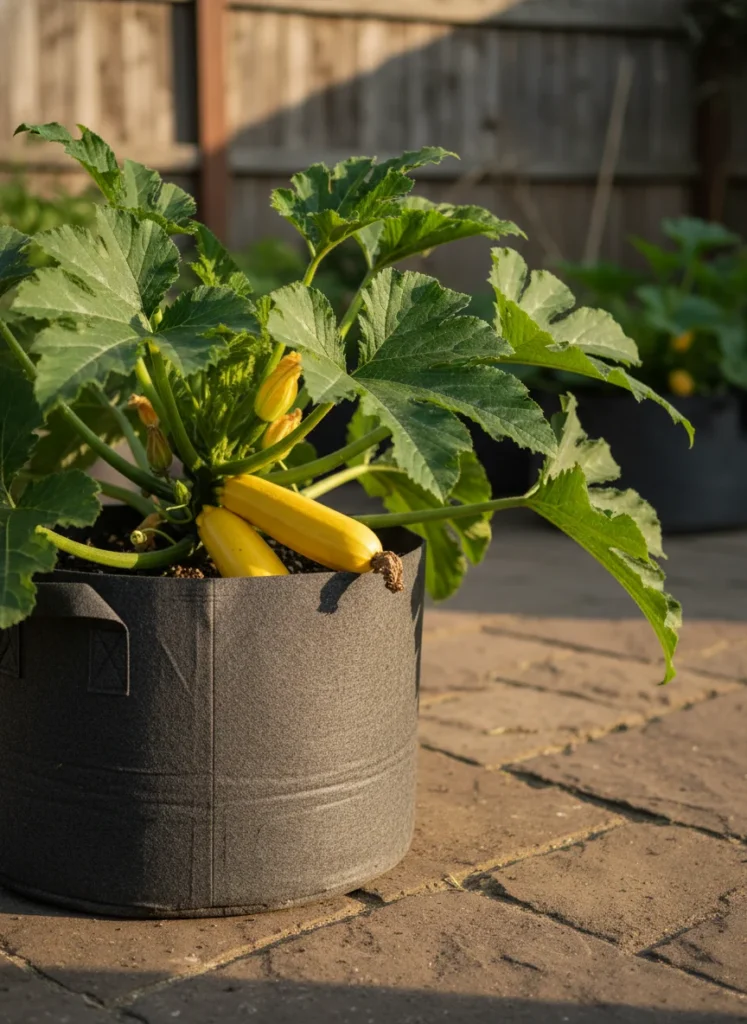
Patio Star and Bush Baby are compact varieties specifically bred for container growing that are better suited to smaller bags than standard vining zucchini types.
10. Kale and Chard
Grow bag size: 5 to 7 gallons
Kale and Swiss chard are among the most productive crops per square inch of grow bag space. They grow vertically rather than sprawling, produce over a long season, and the cut-and-come-again harvesting method means one bag feeds a household consistently for months.
Both crops prefer full sun but tolerate partial shade better than most fruiting vegetables. They are also more cold-tolerant than tomatoes and peppers, extending their productive window into fall and even early winter in mild climates.
Tuscan kale and Red Russian kale are compact enough for 5-gallon bags and are among the most productive options. Rainbow chard is visually striking and grows vigorously in 7-gallon bags. Harvest outer leaves regularly and the center of the plant continues producing new growth.
11. Strawberries
Grow bag size: 5 to 10 gallons
Strawberries are a natural fit for grow bags because they have relatively shallow root systems that suit the contained environment. The main advantage over ground planting is that grow bags keep fruit clean and accessible, reduce slug and pest damage significantly, and make harvesting easier because the fruit hangs at the bag edge rather than hiding under leaves at ground level.
Everbearing varieties like Albion, Seascape, and Quinault produce fruit continuously through summer rather than in one concentrated early-summer flush, which makes them better suited to container growing where a continuous harvest is more useful than a single large crop.
Strawberries in bags need more frequent watering than most vegetables because their shallow roots dry out quickly. A drip system or daily watering check is important during hot weather. Feeding with a high-potassium fertilizer from flowering onward improves fruit size and sweetness.
12. Herbs
Grow bag size: 2 to 5 gallons
Herbs are the easiest and most immediately useful thing you can grow in a bag. A small collection of culinary herbs on a kitchen balcony or patio produces more value than almost any other grow bag use.
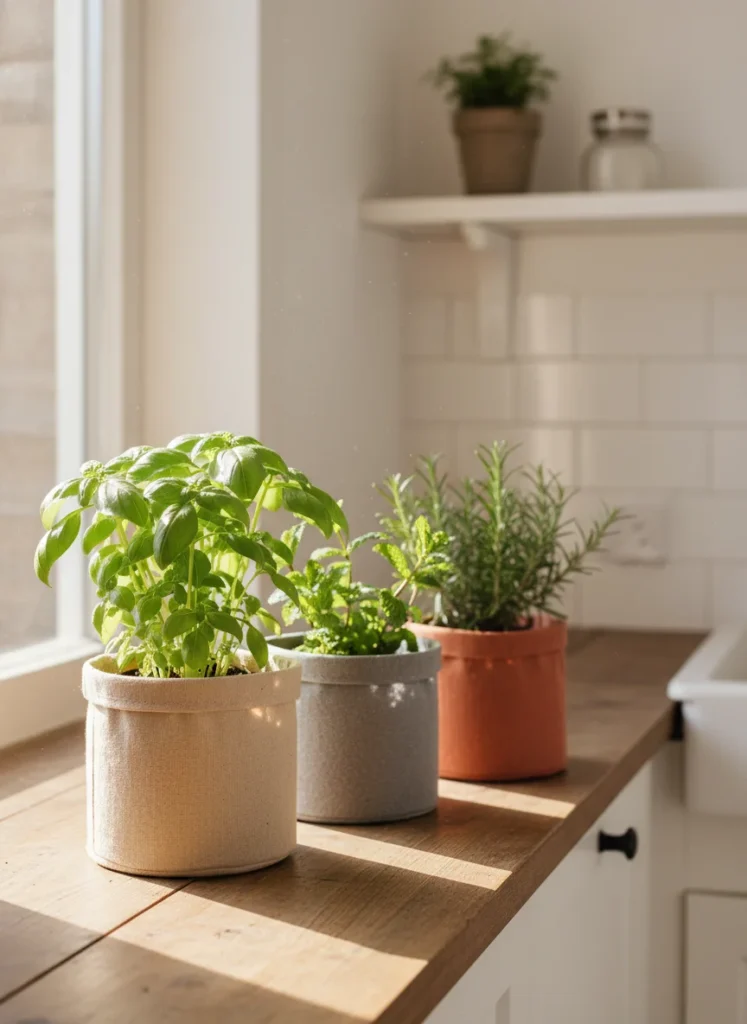
Basil needs a 5-gallon bag and full sun to perform at its best. Mint spreads aggressively and must always have its own bag rather than sharing with other herbs. Rosemary and thyme prefer drier conditions and terra cotta or fabric bags suit them better than plastic. For a detailed guide to growing herbs indoors in the right containers, read the best pots for growing herbs indoors.
Growing a mix of culinary herbs in separate small bags grouped together creates a productive and attractive display while keeping aggressive spreaders like mint contained.
Quick Reference Guide
| Vegetable | Minimum Bag Size | Difficulty |
|---|---|---|
| Lettuce and greens | 3 gallons | Very easy |
| Radishes | 3 gallons | Very easy |
| Spinach | 3 gallons | Very easy |
| Herbs | 2 to 5 gallons | Easy |
| Bush beans | 5 gallons | Easy |
| Strawberries | 5 gallons | Easy |
| Kale and chard | 5 gallons | Easy |
| Peppers | 5 to 10 gallons | Moderate |
| Cherry tomatoes | 10 to 15 gallons | Moderate |
| Cucumbers | 10 to 15 gallons | Moderate |
| Potatoes | 10 to 15 gallons | Moderate |
| Zucchini | 20 gallons | Moderate |
What Makes Grow Bags Work Better Than Plastic Pots
The fabric material is what separates grow bags from standard plastic containers and it matters more than most people realize.
Fabric allows air to reach the roots. When roots grow to the edge of the bag they are air-pruned naturally, which means the growing tip dries out and the root branches back toward the center rather than circling the container wall. Circling roots in plastic pots become root-bound and inefficient. Branching roots from air-pruning create a dense, efficient root system that takes up water and nutrients more effectively.
Fabric also prevents waterlogging. Excess water drains through the bag walls rather than sitting at the bottom where it suffocates roots. This makes grow bags significantly more forgiving of overwatering than plastic containers.
The trade-off is that fabric bags dry out faster than plastic in hot weather. This is the one management adjustment that container gardeners using fabric bags need to make compared to plastic pots. Check bags daily and water thoroughly when the top inch of soil is dry.
Fabric grow bag variety pack in multiple sizes
Frequently Asked Questions
Can I reuse grow bags from last season? Yes. Empty the bag completely after the season ends, wash it with a mild soap solution, rinse thoroughly, and let it dry fully before folding for storage. Replace the potting mix each season. Old potting mix loses structure and can harbour disease from the previous season.
How many plants per grow bag? For most vegetables one plant per bag produces better results than cramming two or three into the same space. The exception is lettuce, greens, radishes, and other small crops where you plant by spacing rather than by plant count. For tomatoes, peppers, cucumbers, and squash the one plant per bag rule is firm.
What soil should I use in grow bags? Use a quality vegetable potting mix rather than garden soil. Garden soil compacts in containers and suffocates roots. A vegetable-specific potting mix stays loose, drains freely, and holds the right amount of moisture. Adding 20 percent perlite improves drainage and aeration further.
Do grow bags need drainage holes? Fabric grow bags drain through the bag walls naturally and do not need additional drainage holes. This is one of their main advantages over plastic containers.
How often should I water vegetables in grow bags? Daily checking is the reliable approach during summer. Push your finger one inch into the soil. Water thoroughly if it feels dry at that depth. In hot weather containers in full sun may need watering once or twice daily. A moisture meter removes the guesswork completely.
Can I grow vegetables in grow bags indoors? Most vegetables need 6 to 8 hours of direct sunlight daily that is difficult to achieve indoors without dedicated grow lighting. Herbs, lettuce, and spinach are the most realistic options for indoor grow bag growing in a bright south-facing window. Tomatoes, cucumbers, and squash really need to be outdoors.
When should I fertilize vegetables in grow bags? Mix a slow-release granular fertilizer into the potting mix at planting. This covers the first 4 to 6 weeks. After that, a liquid feed every 10 to 14 days maintains production through the growing season. Switch to a high-potassium, low-nitrogen fertilizer once plants start flowering to prioritize fruit production over leafy growth.