Can You Grow Peppers in Containers? (Yes, Here Is Exactly How)
Disclosure: This article contains affiliate links. As an Amazon Associate, I earn from qualifying purchases at no extra cost to you. I only recommend products I would use myself.
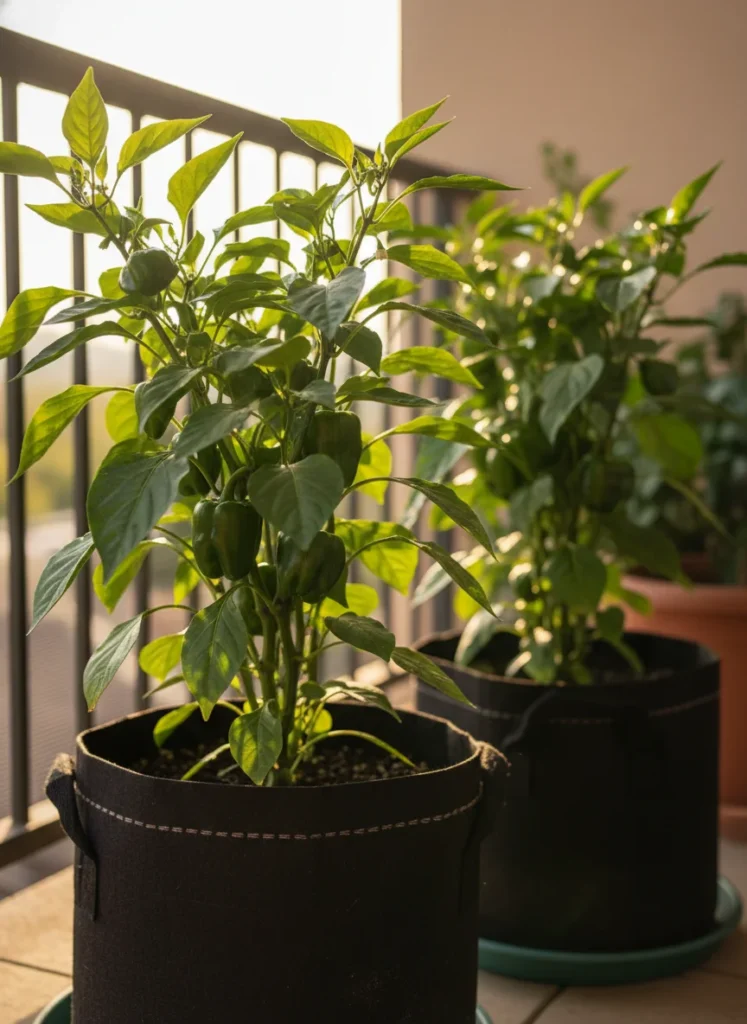
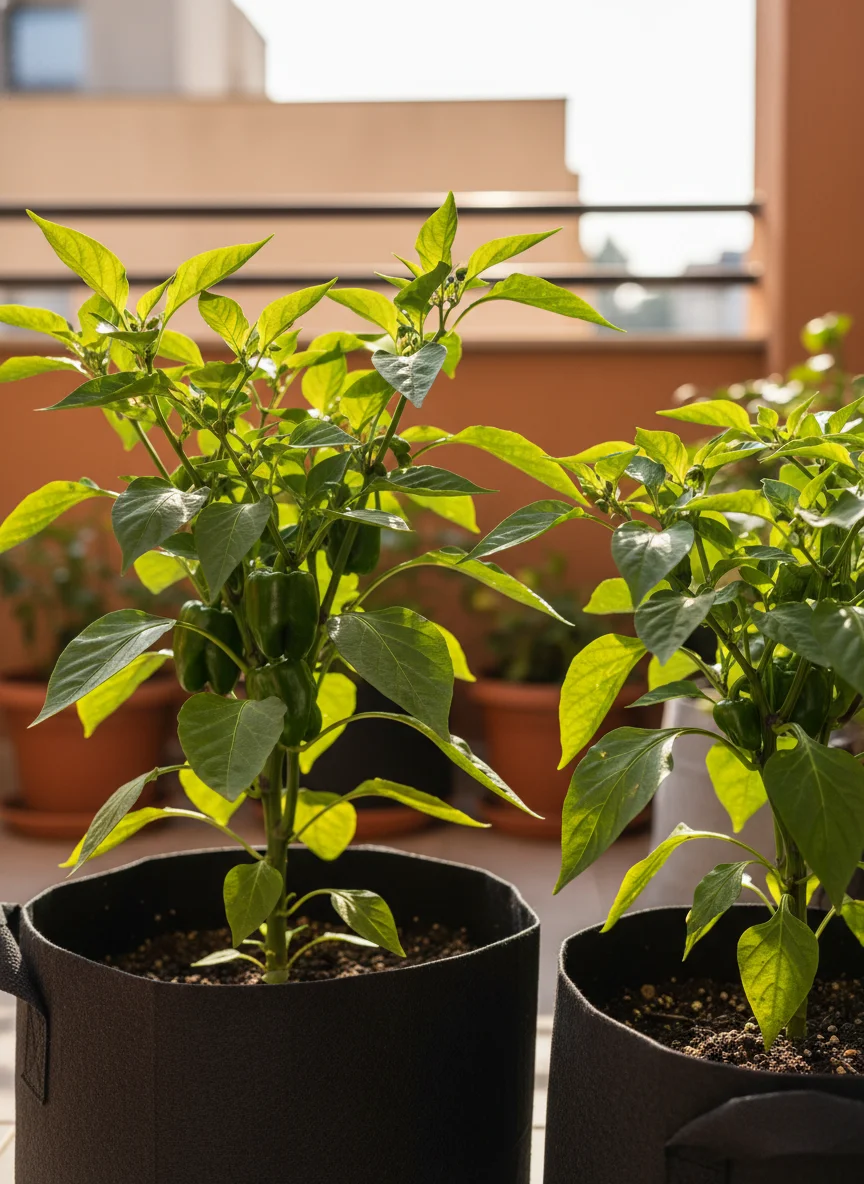
Yes, you can grow peppers in containers, and they do surprisingly well. Peppers naturally have a compact root system compared to most fruiting vegetables, which makes them one of the best crops to grow in pots, on a balcony, or in any small outdoor space.
The key is giving them the right container size, a decent soil mix, consistent watering, and regular feeding. Get those four things right and a container pepper plant will reward you with a steady harvest from midsummer through to the first frost.
This guide covers everything a beginner needs to know to grow peppers in containers successfully.
Why Peppers Are One of the Best Vegetables for Container Growing
Not every vegetable adapts well to pot life. Sprawling crops like squash or sweetcorn need deep, wide root runs that containers cannot provide. Peppers are different. Their roots are naturally compact and well-suited to the confined space of a pot, and because containers give you full control over soil quality, sun exposure, and watering, you can often grow peppers more consistently in pots than in the ground.
Container growing also lets you:
- Move the plant to follow sunlight across the day
- Bring it under cover if a cold snap arrives
- Control drainage and soil quality precisely
- Start earlier in the season by warming the pot indoors
For small-space gardeners, peppers in containers are one of the most reliable and rewarding crops to start with.
Choosing the Right Container
Container size is the single biggest factor in how many peppers you will harvest. The more soil volume a plant has, the larger it can grow, the more fruit it can support, and the more forgiving it becomes when watering is inconsistent.
Minimum sizes by pepper type:
| Pepper Type | Minimum Pot Size | Ideal Pot Size |
|---|---|---|
| Small hot peppers (chilli, cayenne) | 3 gallon / 11 litres | 5 gallon / 19 litres |
| Medium varieties (jalapeño, serrano) | 5 gallon / 19 litres | 7 gallon / 26 litres |
| Bell peppers and large sweet peppers | 5 gallon / 19 litres | 10 gallon / 38 litres |
If in doubt, go larger. You cannot overpot a pepper, but you can absolutely underpot one and limit your harvest significantly.
On pot material:
Plastic pots retain moisture longer and are the most forgiving choice for beginners. Fabric grow bags improve root health through a process called air pruning, where roots that reach the edge of the bag are naturally trimmed by air exposure, encouraging a denser, more efficient root system. They dry out faster than plastic, so watering frequency needs to increase slightly. Both are excellent choices for peppers. Terracotta draws moisture away through its walls and is the least suitable material for container peppers, particularly in warm climates.
Best Soil Mix for Container Peppers
Peppers need a soil mix that holds moisture without becoming waterlogged. Garden soil and topsoil compact inside containers and suffocate roots. Always use a quality potting mix, never garden soil.
A strong mix for container peppers looks like this:
- 35% quality compost or worm castings for nutrition
- 35% coco coir or peat moss for moisture retention
- 30% perlite or vermiculite for drainage and aeration
If you are buying a pre-made potting mix, look for one that lists perlite, coco coir, or bark among its ingredients. Avoid anything labelled “topsoil” or “all-purpose garden soil.”
Before planting, moisten the mix thoroughly. Dry potting mix can become hydrophobic, meaning it repels water rather than absorbing it. Pre-moistening prevents this from becoming a problem early in the season. For more on how to assess and refresh your potting soil before planting, see our guide on can you reuse potting soil in containers.
How to Plant Peppers in Containers
- Fill the container with pre-moistened potting mix to about two inches below the rim.
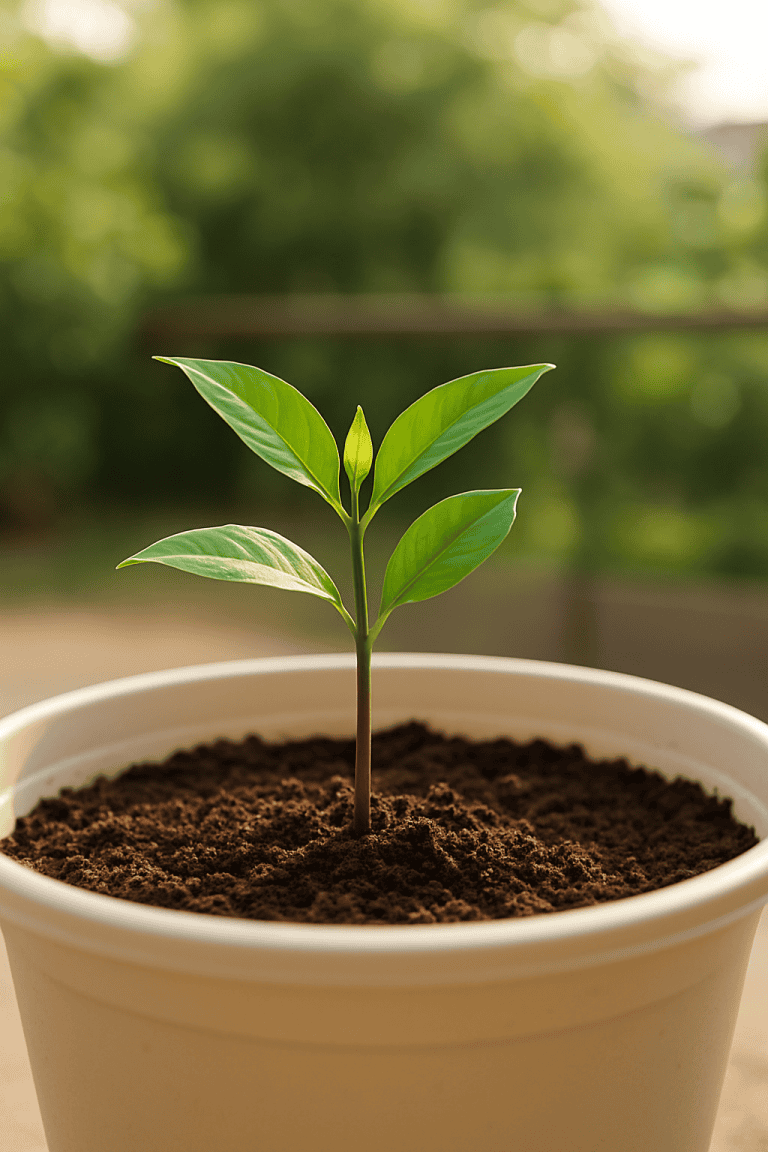
- Remove the pepper transplant gently from its nursery pot, keeping the root ball intact.
- Place the plant at the same depth it was growing in its nursery pot. You can bury the stem up to the first set of true leaves if the plant is leggy.
- Fill in around the root ball and firm the soil gently.
- Water slowly and deeply until water runs from the drainage holes.
Do not compact the soil aggressively. Peppers need aerated, loose soil around their roots. Firm it just enough to eliminate large air pockets.
Sunlight: How Much Do Peppers Actually Need?
Peppers are full-sun plants. They need a minimum of six hours of direct sunlight daily to produce flowers and fruit. Eight hours or more is ideal for maximum yield.
A plant in four hours of sun will survive but will produce minimal fruit. If your balcony or patio is partially shaded, choose a smaller hot pepper variety, which tolerates lower light better than bell peppers.
One of the strongest advantages of container growing is that you can physically move the pot to follow the sun. If your space gets morning sun but afternoon shade, position your container where it catches the most direct light during the warmest part of the day.
Watering Peppers in Containers
Peppers need consistent moisture but are damaged by waterlogged roots. The goal is to keep the soil evenly moist, never fully dry and never sitting in standing water.
The daily check: Push your finger one inch into the soil. If it feels dry at that depth, water deeply until it drains from the bottom. If it still feels moist, leave it another day.
As a general starting guide:
- Cool spring weather, larger pot: every two to three days
- Warm summer weather, larger pot: every one to two days
- Warm summer weather, smaller pot: daily or close to it
One of the most common causes of flower drop in container peppers is irregular watering. The plant sets flowers when conditions feel stable, and drops them when they suddenly shift. Keeping a consistent watering rhythm is more important than precise frequency.
For a full breakdown of how watering frequency changes by pot size, material, weather, and plant stage, read our guide on how often to water vegetables in containers.
Fertilizing Container Peppers
Containers deplete nutrients faster than garden beds because every watering flushes some out through the drainage holes. Container peppers need regular feeding to maintain strong growth and fruit production.
A simple feeding schedule:
- At planting: Mix a slow-release granular fertiliser into the potting mix. A balanced vegetable fertiliser works well at this stage. Check slow-release vegetable fertiliser on Amazon.
- Once flowering begins: Switch to a fertiliser lower in nitrogen and higher in potassium and phosphorus. High nitrogen at this stage pushes leafy growth at the expense of fruit.
- Throughout fruiting: Continue liquid feeding every one to two weeks with a tomato or pepper feed. These are formulated for exactly this stage. Check liquid pepper and tomato feed on Amazon.
Worm castings are an excellent low-risk amendment to mix into the potting soil at planting. They release nutrients gently and will not burn roots even when applied generously.
Supporting Your Pepper Plants
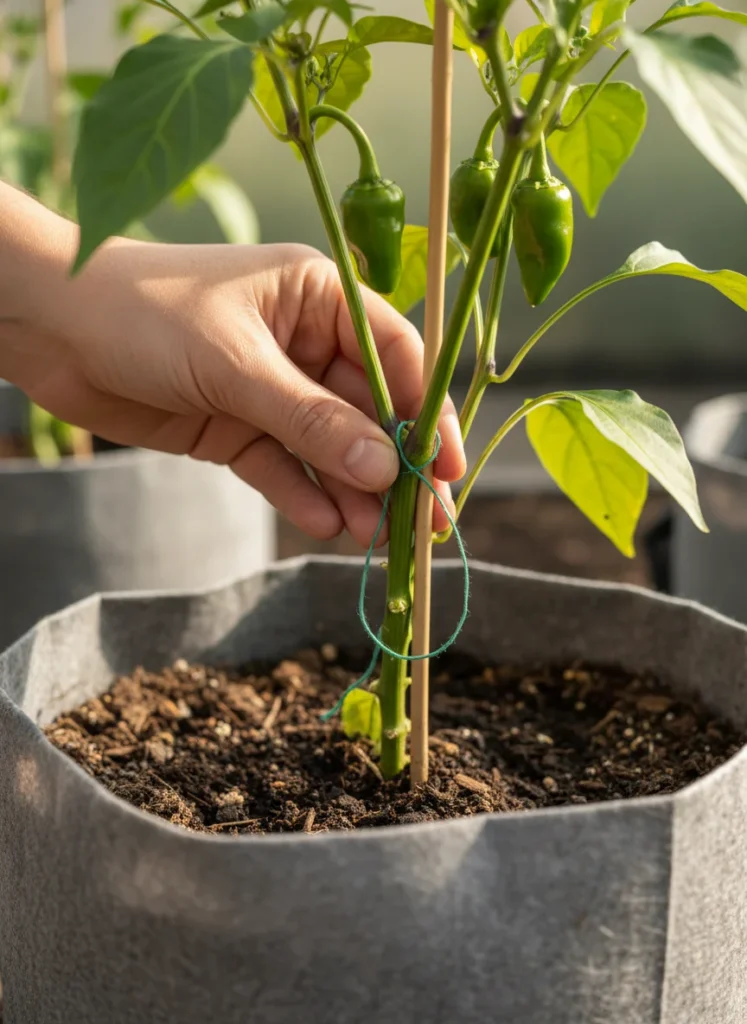
Most pepper varieties benefit from some support as they grow. A plant loaded with fruit can become top-heavy and snap at the stem in wind.
A simple bamboo cane tied loosely to the main stem is usually enough for smaller varieties. Bell peppers and larger plants may need a small cage or two or three stakes positioned around the perimeter of the pot.
Tie stems with soft garden twine or cut strips of old fabric. Avoid wire or anything that can cut into the stem as the plant expands.
Managing Temperature
Peppers are warm-season crops and sensitive to cold at both ends of the thermometer. They stop growing below around 10°C (50°F) and drop flowers when temperatures swing dramatically.
Lower end: If nighttime temperatures drop unexpectedly, move the container indoors or under a covered area. This is one of the biggest advantages containers have over in-ground growing.
Upper end: Peppers also drop flowers in extreme heat above around 35°C (95°F). If you are growing in a hot climate, afternoon shade during the peak of summer can improve fruit set rather than reduce it.
Container soil also heats up faster than garden soil. In very hot conditions, wrap dark-coloured pots with light fabric or move them to a spot with slightly filtered afternoon light to prevent root zone overheating.
Common Problems and How to Fix Them
Flower drop: Usually caused by temperature swings, inconsistent watering, or low humidity. Check your watering schedule first. If watering is consistent, examine nighttime temperatures.
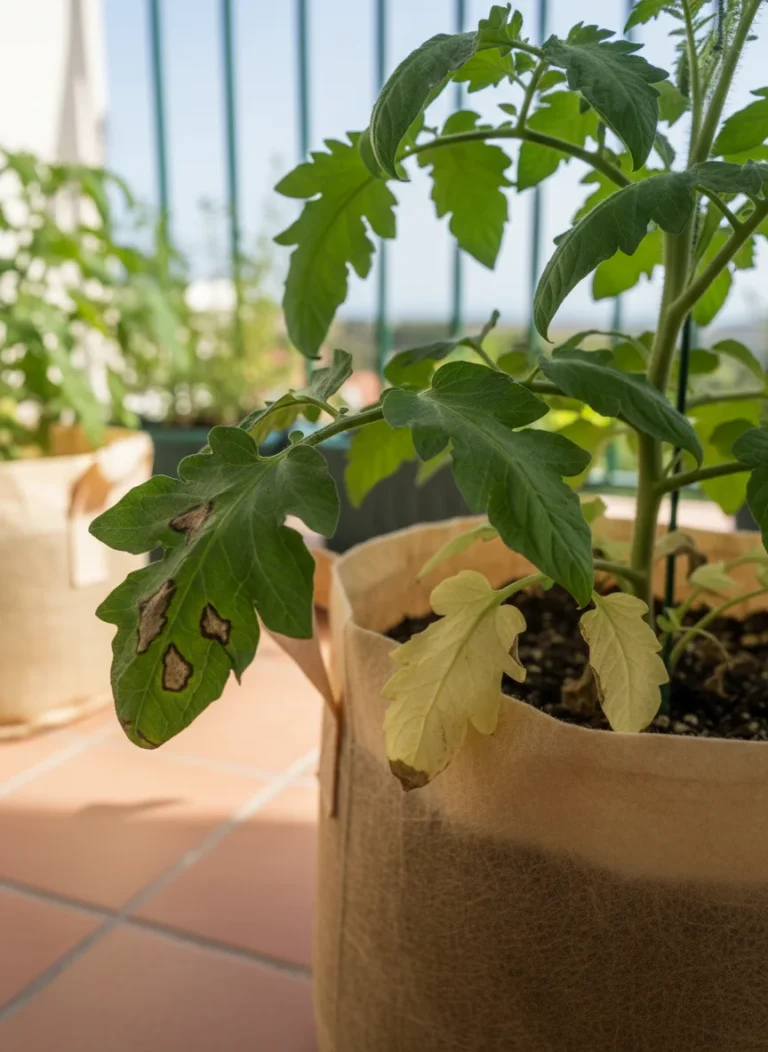
Yellow leaves: Often overwatering, but can also be a nitrogen deficiency mid-season. Check the soil moisture before adding more water. If the soil is already moist and yellowing persists, feed with a balanced liquid fertiliser.
Small or no fruit: Most commonly a sunlight problem. Assess actual daily sun hours honestly. Less than six hours will significantly limit production.
Soft or dropping fruit: Often a calcium deficiency triggered by inconsistent watering, which prevents uptake even when calcium is present in the soil. Consistent moisture is the fix, not a calcium supplement.
Leggy growth with few flowers: Too much nitrogen fertiliser in the feeding routine, or insufficient sunlight. Back off the high-nitrogen feed and move to a higher potassium option.
Best Pepper Varieties for Containers
Some varieties naturally suit container growing better than others. Compact, bushy types that set fruit early perform best.
Good choices for beginners:
- Jalapeño: compact, prolific, and forgiving
- Cayenne: tall but narrow, manages well in a 5-gallon pot
- Hungarian wax: strong producer in pots, mild heat
- Mini bell peppers: smaller than standard bells, better suited to container volumes
- Padron: fast-maturing, compact, excellent for small spaces
Standard bell peppers are possible in containers but need the largest pot size and the most consistent care to produce well.
Harvesting to Increase Total Yield
Harvest peppers regularly. Leaving fully ripe fruit on the plant signals to it that reproduction is complete and slows new flower production. Picking fruit as it reaches usable size, even before full colour change, encourages the plant to continue setting new flowers and extending the harvest window.
Use clean scissors or pruning shears rather than pulling fruit off by hand. Pulling can damage stems and break branches that are carrying other developing fruit.
End of Season: What to Do With Your Container Pepper Plants
Peppers are perennial in warm climates and can be overwintered successfully if you have a frost-free indoor space. Before the first cold snap, cut the plant back to its main framework, reduce watering significantly, and bring the container inside. It will go dormant over winter and regrow vigorously in spring, often producing a larger harvest in its second year than its first.
If overwintering is not practical, compost the plant and assess the potting mix using our guide on can you reuse potting soil in containers before deciding whether to refresh and reuse it next season.
The Bottom Line
Growing peppers in containers is genuinely one of the most beginner-friendly ways to start producing your own food in a small space. Get the pot size right, use a quality potting mix, water consistently, and feed regularly once flowering starts. Everything else is adjustment and observation.
A single well-maintained container pepper plant can produce dozens of peppers across a season. For most people, that is more than enough to justify the effort.