

Clove Water for Hair Growth: Benefits, Recipe & How to Use
Estimated reading time: 6 minutes
The Power of Clove Water for Your Scalp
Clove water for hair growth has surged in popularity because it acts as a stimulating tonic for the scalp. This natural remedy works primarily due to a compound called eugenol. Research indicates that eugenol enhances blood flow to the scalp, which ensures hair follicles receive the oxygen and nutrients necessary for thicker growth. Additionally, cloves possess strong antimicrobial properties that cleanse the scalp and reduce dandruff, creating the ideal environment for hair to thrive.
If you are looking for a simple and affordable way to improve scalp health, this herbal infusion is a potent option. By improving circulation and fighting scalp bacteria, clove water targets the root causes of thinning and shedding.
How to make clove water for hair growth
Making this tonic is incredibly simple. I recommend preparing a fresh batch every week to ensure potency. Here is the most effective method using heat extraction.
The Boiling Method:
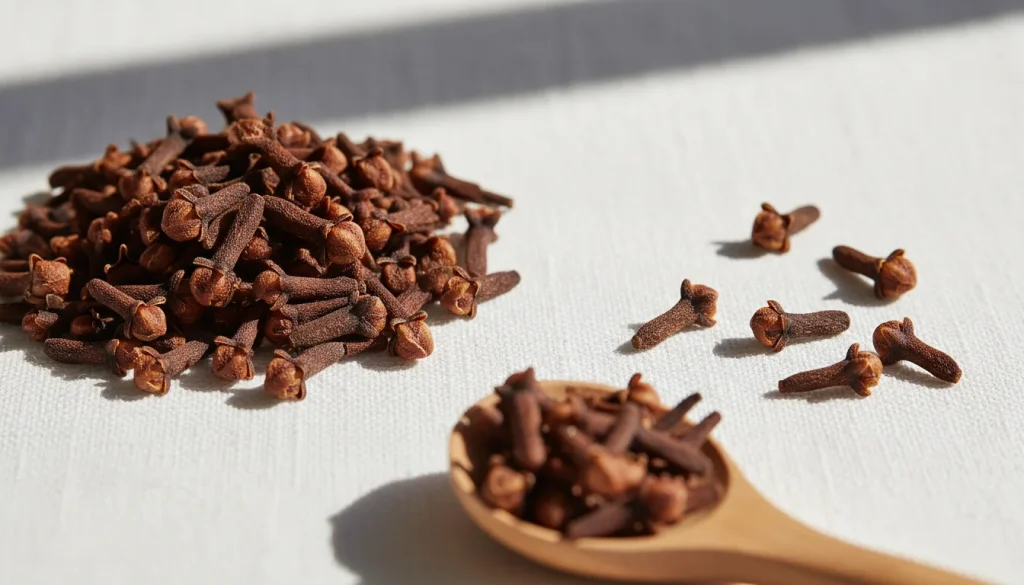
- Take two tablespoons of whole organic cloves. Do not use powdered cloves as they are difficult to strain out.
- Pour two cups of distilled water into a pot.
- Add the cloves and bring the water to a gentle boil.
- Let it simmer for approximately 15 minutes until the water turns a deep amber color.
- Remove the pot from the heat and allow it to cool completely.
- Strain the liquid into a clean spray bottle and discard the cloves.
According to experts at Hims, cloves are rich in antioxidants that protect hair follicles from oxidative stress, so boiling them releases these beneficial compounds effectively.
How to make clove water for hair growth overnight
If you prefer a method that preserves the delicate volatile oils without heat, the cold infusion method is superior. This process takes longer but results in a gentler tonic.
The Cold Infusion Method:
- Place two tablespoons of whole cloves into a glass jar.
- Pour two cups of distilled water over the cloves.
- Seal the jar tightly and place it in a cool, dark place.
- Let the mixture sit for at least 12 to 24 hours.
- You will notice the water changing color as the nutrients infuse slowly.
- Strain the water into your spray bottle the next day.
This method is excellent if you want to ensure no vitamins are lost during the heating process.
How do you use clove water for hair growth?
The application is just as important as the recipe. I suggest using clove water for hair growth as a final rinse or a leave in spray.
As a spray:
Section your clean, damp hair. Spray the clove water directly onto your scalp rather than the hair strands. Massage it in with your fingertips for five minutes to stimulate blood flow. You can follow up with a moisturizing oil to seal in the hydration.
As a rinse:
After shampooing and conditioning, pour the clove water over your scalp. Do not rinse it out with tap water. Let it sit and air dry or style as usual. This allows the antifungal properties to work on your scalp throughout the day.
How to use cloves for hair growth
Beyond water, there are other ways to utilize cloves. You can infuse cloves into carrier oils like olive oil or coconut oil.
To do this, simply add a handful of cloves to your preferred oil and let it sit in a dark cupboard for two weeks. The resulting oil is much more potent than the water and provides intense moisture alongside stimulation. However, clove water is generally preferred for those with oily scalps because it is lightweight and does not leave a greasy residue.
Can I spray cloves water on my hair every day?
No, I do not advise spraying clove water on your hair every single day. While cloves are beneficial, they are also potent and can be drying if used in excess. Eugenol is strong stuff. Overuse can strip the scalp of its natural oils, leading to dryness or irritation.
For the best results without compromising moisture balance, stick to a routine of using it every other day or three times a week. Always monitor how your scalp feels. If it feels tight or itchy, reduce the frequency immediately.
How often to use clove water for hair growth
Consistency is key, but moderation is vital. The sweet spot for most people is applying clove water two to three times per week.
- Oily Scalp: You may be able to use it three times a week as the astringent properties help control excess sebum.
- Dry Scalp: Limit use to once or twice a week and always follow up with a hydrating oil or leave in conditioner.
According to Clinikally, maintaining a balanced routine prevents the scalp from becoming sensitized to the active ingredients in the cloves.
Can I use clove water on my hair everyday overnight
Leaving clove water on your hair overnight every single day is excessive and potentially harmful. While an overnight treatment can be effective occasionally, doing it daily keeps the scalp constantly damp and exposed to potent compounds.
Constant moisture can actually weaken the hair shaft (a condition known as hygral fatigue) and create a breeding ground for fungus if the hair does not dry properly. Furthermore, the strong concentration of eugenol might cause sensitivity if left in contact with the skin for eight hours every night.
Side effects of using clove water on hair overnight
If you choose to leave clove water on overnight, be aware of specific risks.
- Staining: Clove water has a dark pigment that can stain pillowcases and sheets. I recommend wearing a shower cap or laying down an old towel.
- Scalp Irritation: Prolonged exposure can cause itching or a burning sensation in sensitive individuals.
- Dryness: As the water evaporates, the remaining residue can leave hair feeling stiff or straw like by morning.
If you notice any redness or discomfort in the morning, switch to rinsing the solution out after 20 minutes instead of leaving it in.
What are the side effects of cloves in water?
While natural, clove water is not free from side effects. The primary concern is an allergic reaction.
- Contact Dermatitis: Some people are allergic to eugenol, which causes red, itchy rashes.
- Eye Irritation: If the water runs into your eyes, it will sting significantly.
- Over Drying: High concentrations can make brittle hair worse.
VeryWellHealth notes that doing a patch test on your inner arm 24 hours before applying it to your scalp is crucial to ensure safety.
What is the best water for hair growth?
The quality of water you use in your recipe matters. Distilled water is the absolute best choice for making clove water or any hair tonic.
Tap water often contains minerals like calcium and magnesium (hard water) or chemicals like chlorine. These can build up on the scalp, block follicles, and counteract the benefits of the cloves. Distilled water is pure and acts as a blank canvas, allowing the clove nutrients to be the sole focus of the treatment.
Clove water for hair growth reviews
User reviews across beauty forums and social media are generally positive, but they highlight the need for patience.
Many users report a reduction in dandruff and itching within the first two weeks. Visible hair growth usually takes longer to notice. The consensus among positive reviews is that clove water makes the scalp feel “cleaner” and hair feels “stronger” at the root. Negative reviews almost always stem from overuse, resulting in dry and brittle strands.
Clove water for hair growth before and after
You should manage your expectations regarding results. Hair grows typically at a rate of half an inch per month.
- Month 1: You will likely notice less dandruff and a reduction in hair shedding during showers. The scalp feels healthier.
- Month 3: You may start to see “baby hairs” appearing along the hairline and an improvement in overall density.
Do not expect a miraculous transformation overnight. Clove water supports the biological process of growth, but it cannot force hair to grow faster than your genetics allow.
Key Takeaways
- Active Ingredient: Eugenol in cloves boosts circulation and fights scalp bacteria.
- Preparation: Use distilled water and simmer cloves for 15 minutes or soak them for 24 hours.
- Frequency: Apply 2 to 3 times per week. Do not use daily to avoid dryness.
- Safety: Always perform a patch test. Stop use if irritation occurs.
- Patience: Expect to see reduced shedding first, with new growth visible after 3 months.
Frequently Asked Questions
How long does homemade clove water last?
If kept in the refrigerator, homemade clove water lasts for up to one week. If it smells sour or looks cloudy, discard it immediately.
Can clove water darken hair?
Yes, frequent use of clove water can add subtle warm or dark tones to light hair over time due to the natural pigment of the spice.
Disclaimer: This information is for educational purposes. Please consult a healthcare provider before trying new herbal remedies. Please read our full disclaimer here.