The One Vegetable Every Gardener Should Grow (A Complete Guide)
There is one vegetable that often gets sidelined in the glamour of summer gardening. It lacks the towering presence of a tomato plant or the sprawling abundance of zucchini. However, this root vegetable is arguably the most valuable crop for a home gardener to cultivate. We are talking about the humble beet.
Let’s be honest. Beets have a reputation problem. Many people associate them with a distinct earthy flavor or the texture of canned vegetables from childhood. But when grown at home and harvested at the peak of freshness, beets undergo a transformation. They become sweet, tender, and incredibly versatile.
Beyond the flavor, this crop is a nutritional powerhouse that offers a dual harvest. You are not just growing a root; you are growing some of the most nutrient-dense greens available in the plant kingdom. Whether you are a novice looking for a guaranteed win or a seasoned grower aiming to maximize nutritional yield, the beet is your answer.
Why Beets Belong in Every Garden
The strategic value of beets lies in their speed and flexibility. While peppers and tomatoes demand a long, hot growing season, beets are the sprinters of the garden. They are ready to harvest in just seven to eight weeks. This rapid turnover allows for high-efficiency gardening.
Here is the reality of garden planning. You need crops that can fill the gaps. Beets are cool-season crops that thrive when the days are 60 to 70 degrees Fahrenheit and the nights drop to around 50 degrees. This makes them the perfect bookends for your gardening year.
You can plant a crop in early spring as soon as the soil is workable. You can then plant a second crop in late summer for a robust fall harvest. They are incredibly adaptable regarding light. While they appreciate full sun, they are one of the few root vegetables that will still produce a decent crop in partial shade. If you have a corner of the garden that gets only four or five hours of light, beets are a viable candidate.
Soil Science: The Foundation of Sweet Roots
Boring, but essential. That is the best way to describe soil preparation. You cannot throw seeds into compacted clay and expect prize-winning roots. The physical structure of your soil dictates the shape and health of the beet.
For the spring planting, you want loose and sandy soil. This allows the soil to warm up quickly and drain excess winter moisture. Heavy, waterlogged soil in the spring will cause the seeds to rot before they sprout. For the fall crop, slightly heavier soil is acceptable as it retains moisture during the lingering heat of late summer.
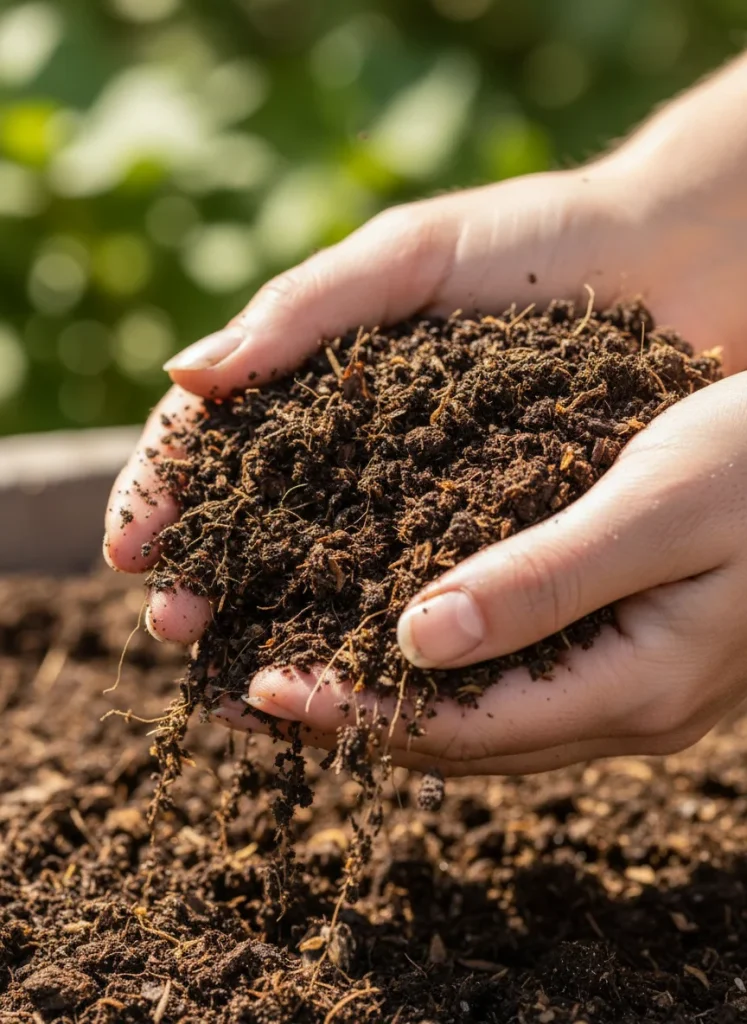
The chemical composition of the soil is equally important. Beets are sensitive to acidity. They prefer a pH between 6.0 and 7.0. If your soil is too acidic, the plants will be stunted. Furthermore, beets have a high demand for boron. This is often overlooked, but a lack of boron leads to “black heart,” a condition where the center of the root becomes hard and necrotic. A simple application of household borax mixed with water can solve this, but always test your soil first.
The Unique Biology of Beet Seeds
Planting beets comes with a biological quirk that confuses many beginners. When you hold a beet seed in your hand, you are not holding a single seed. You are holding a dried fruit cluster that contains multiple embryos. This is a multigerm seed.
This means that for every single “seed” you plant, you might get three or four seedlings sprouting in the same spot. This leads to overcrowding. If you do not address this, none of the roots will have the space to develop into round bulbs. They will remain spindly and small.
This brings us to the most critical task in beet gardening: thinning.
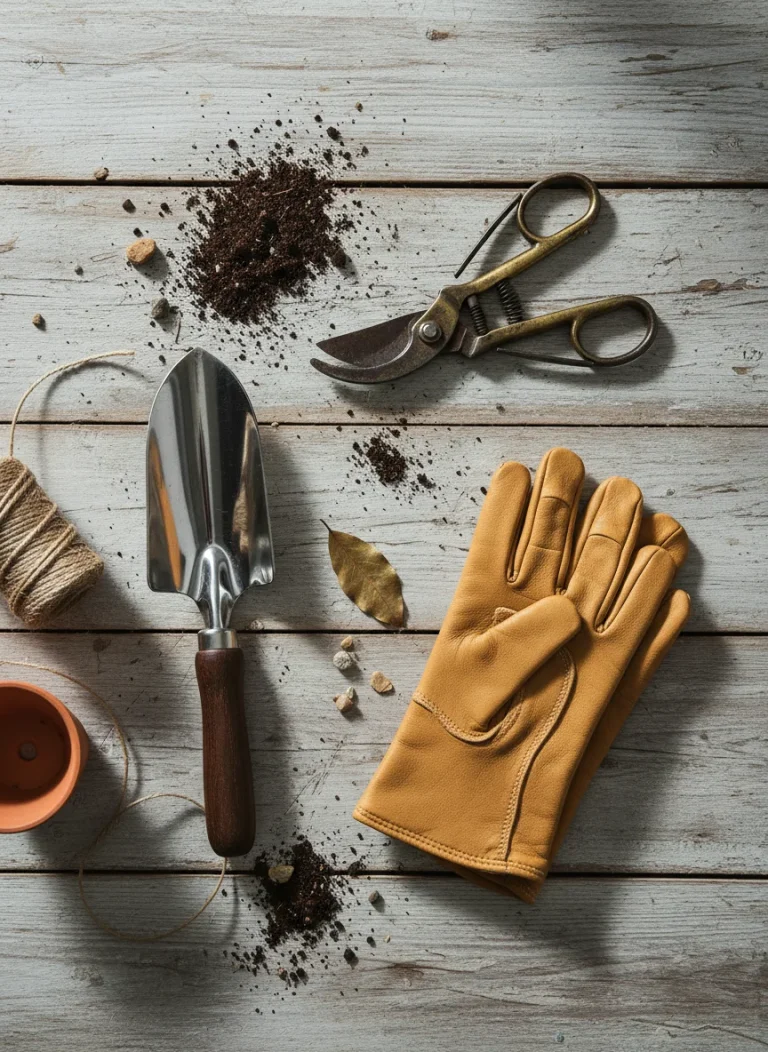
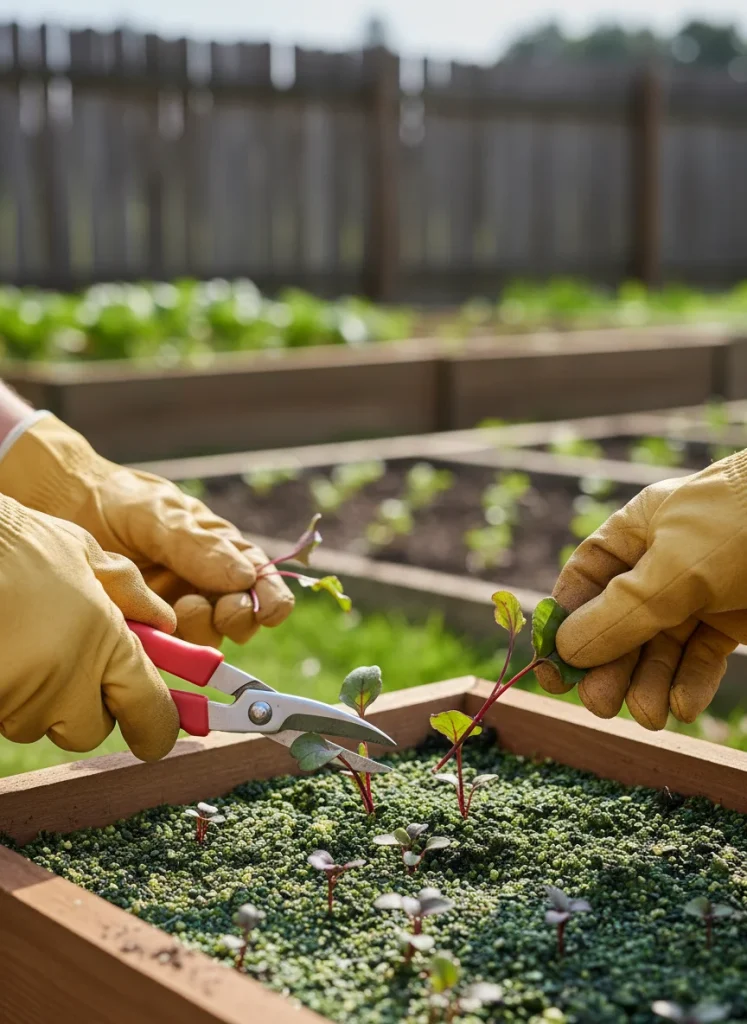
You must thin the seedlings once they are a few inches tall. However, do not pull them out. Pulling can disturb the delicate root systems of the seedlings you want to keep. Instead, take a small pair of scissors and snip the unwanted seedlings off at the soil line. This leaves the strongest plant to grow undisturbed.
Planting Protocols for Maximum Yield
Success starts with depth and spacing. Plant your seeds one inch deep. If you plant them too shallow, the surface soil may dry out before germination occurs. If you plant them too deep, the sprout may exhaust its energy reserves before breaking the surface.
Space the seeds two to three inches apart. This density allows for good air circulation while maximizing the use of your garden bed. Ensure the soil temperature is at least 40 degrees Fahrenheit before sowing. While beets tolerate cold, they will simply sit dormant in freezing soil.
The Nutritional Biochemistry of Beets
We often focus on macronutrients, but beets are masters of micronutrition. This vegetable is a unique package of health benefits that are difficult to find elsewhere. Let’s look at the science.
The Root
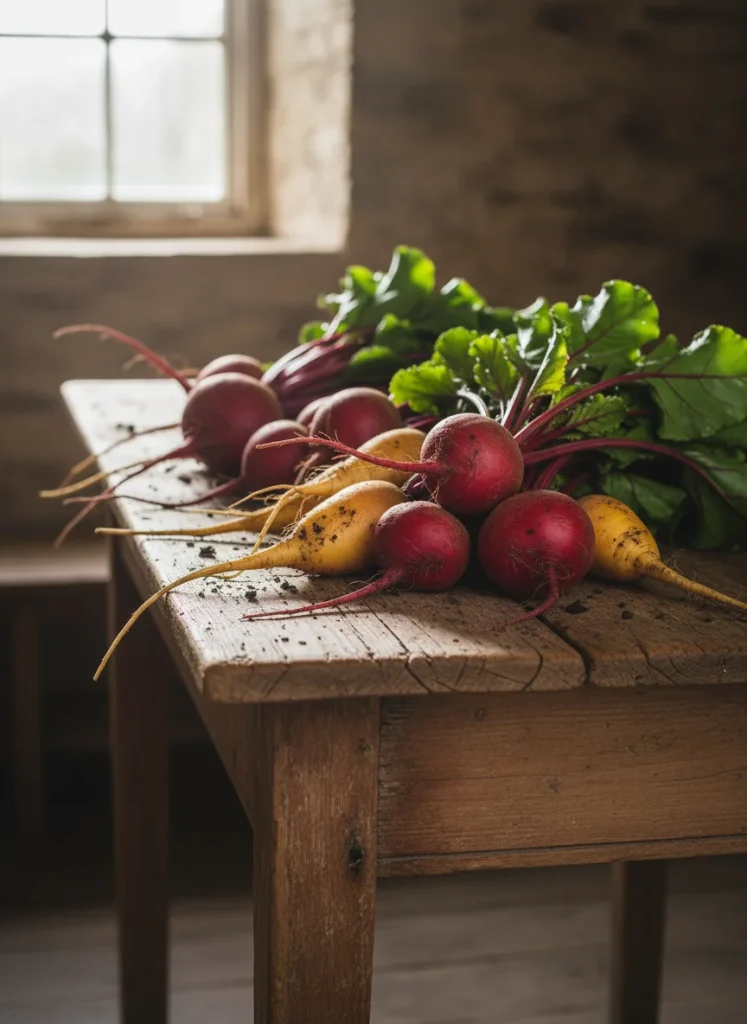
The beet root is low in calories, containing only about 43 calories per cup. However, it is dense with folate, manganese, and potassium. The deep red color comes from betalains, which are phytonutrients with potent antioxidant and anti-inflammatory properties.
The Greens
Do not throw the tops away. Period. Beet greens are botanically related to chard and spinach. In fact, they are more nutrient-dense than the root itself. Just 100 grams of beet greens provide you with your entire daily requirement of Vitamin A and significant amounts of Vitamin C. They also contain iron and calcium. Growing beets and tossing the greens is like buying a car and throwing away the engine.
The Nitric Oxide Connection
The most compelling health argument for growing beets involves blood pressure. Beets are naturally high in nitrates. When you consume them, your body converts these nitrates into nitric oxide. This is a molecule that signals your blood vessels to relax and dilate.
This dilation improves blood flow and lowers blood pressure. Studies suggest that this effect can peak three to four hours after consumption and persist for up to 24 hours. This same mechanism aids in athletic performance. By improving blood flow, oxygen is delivered to muscles more efficiently. This reduces the oxygen cost of exercise, allowing you to perform at a higher intensity for longer durations.
Culinary Strategy: Overcoming the Earthy Flavor
The primary complaint against beets is the “dirt” taste. This flavor comes from a compound called geosmin. It is the same compound that creates the smell of rain hitting dry soil. While some love it, others find it overpowering.
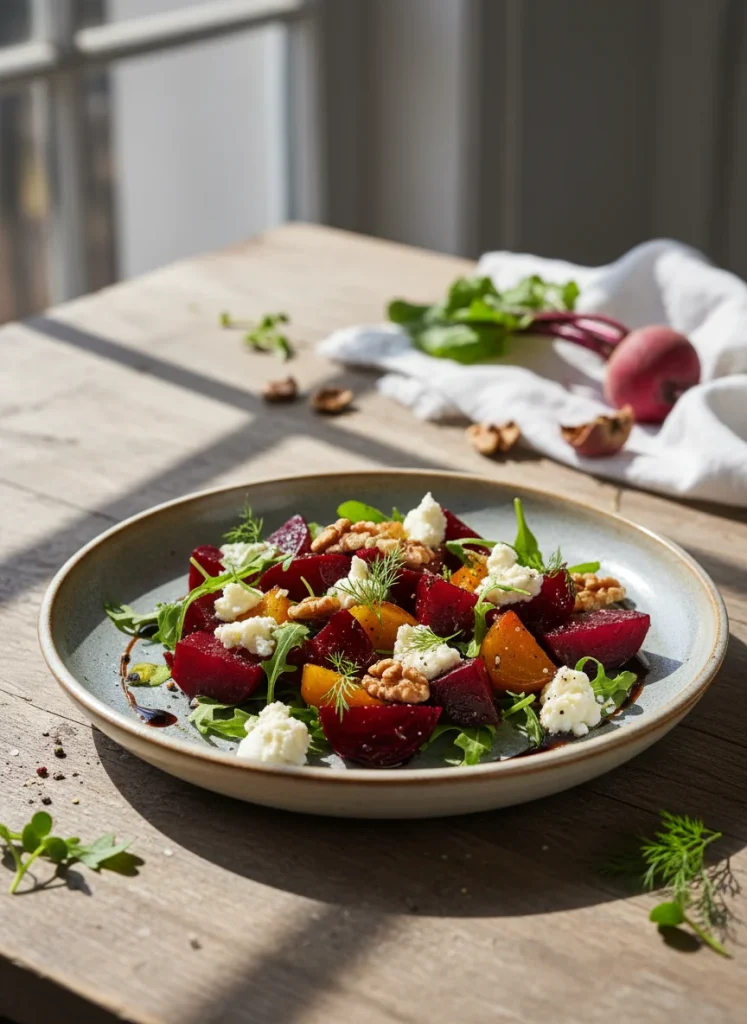
The solution lies in preparation. Roasting is the great equalizer. When you roast beets at 425 degrees Fahrenheit, you trigger the Maillard reaction. The natural sugars in the beet caramelize, and the high heat breaks down some of the geosmin. The result is a vegetable that is sweet, tender, and rich rather than earthy.
Scrub the beets, trim the tops (save them for a sauté), and roast them whole or chopped until a fork slides in easily. This usually takes about 45 minutes for larger roots.
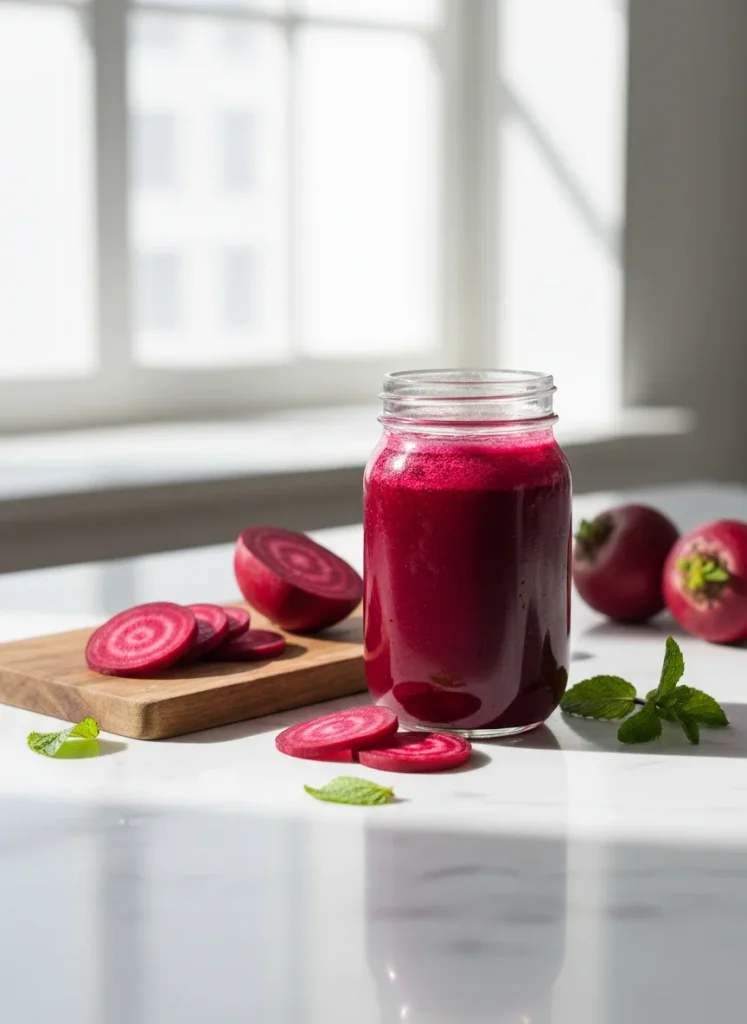
If you are juicing beets for the health benefits, mix them with brighter flavors. The earthiness of beet juice is easily balanced by the acidity of lemon, the sweetness of apple, or the spice of ginger. This makes the medicine go down much smoother.
A Necessary Caution
While beets are a superfood, they are not for everyone. Beets are high in oxalates. If you are prone to oxalate-containing kidney stones, you must consume beets in moderation. The oxalates can crystallize in the kidneys of susceptible individuals. Always consult with a healthcare provider if you have a history of renal issues.
Final Thoughts
Beets represent the perfect intersection of effort and reward. They ask for very little: cool weather, decent soil, and a bit of thinning. In return, they provide a medically significant harvest that nourishes the body from the blood vessels to the immune system. If you have a patch of soil and a few weeks of cool weather, you have no excuse not to grow them.
Read More
13 Trees Every Homesteader Should Plant for Success
How to Start a Vegetable Garden for Beginners (Step-by-Step)