The Ultimate Simple Guide to Growing Vegetables in Containers
Fresh Food from Small Spaces
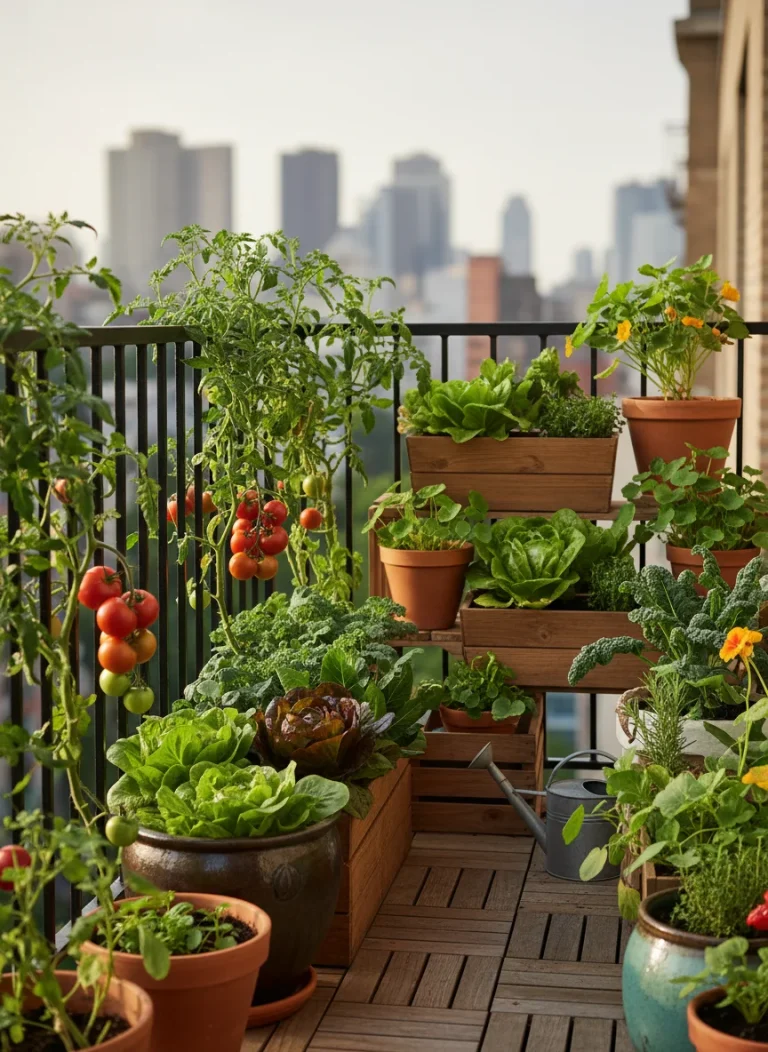
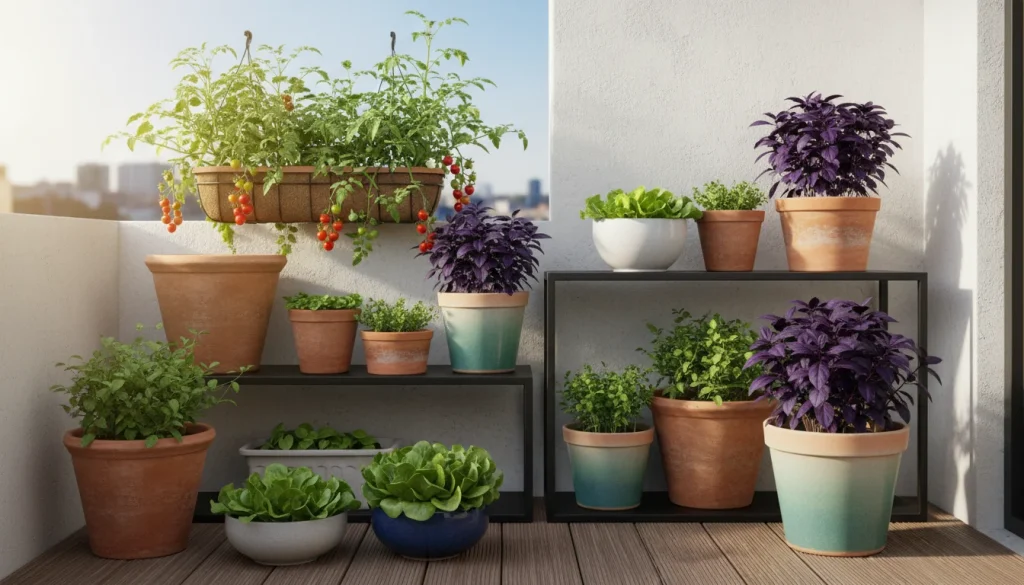
Let’s be honest. We all love the idea of walking outside and picking a fresh tomato for a salad. Many people believe they need a massive backyard or a dedicated plot of land to grow vegetables. This is simply not true. You can grow an impressive amount of food on a balcony, a patio, or even a sunny doorstep. The secret lies in choosing the right plants and understanding how containers work.
Container gardening is not just a compromise for people with small spaces. It is a fantastic way to garden. You have total control over the soil. You can move plants to follow the sun. You have fewer weeds to deal with. It is a controlled environment that often leads to better success for beginners.
We are going to look at the ten best vegetables for containers. We will also cover exactly how to keep them alive. Here is the reality of gardening. It does not have to be complicated. It just requires consistency.
The Boring, But Essential Setup
Before we talk about the plants, we must discuss the setup. This is often overlooked, but it is the difference between a dead stick and a thriving plant. You cannot just dig up dirt from the ground and put it in a pot.
The Soil Rule
Garden soil is heavy. When you put it in a pot, it compacts. It turns into a brick that suffocates plant roots. Roots need air as much as they need water. You must use a high-quality potting mix. These mixes are light and fluffy. They usually contain peat moss, coconut coir, or perlite. This texture allows water to drain while keeping the soil moist enough for the roots.
Drainage is Non-Negotiable
Here is a simple rule. If a pot does not have holes in the bottom, do not use it. You can drill holes if you have the tools. Otherwise, choose a different container. Without drainage holes, water sits at the bottom. This causes the roots to rot. Once root rot sets in, the plant is usually doomed. Period.
The Top 10 Easiest Container Vegetables
We have selected these vegetables because they are resilient. They adapt well to the confined space of a pot. They also offer a high reward for your effort.
1. Lettuce and Leafy Greens
Greens are the absolute best place to start. This includes spinach, arugula, and Swiss chard. These plants have shallow root systems. They do not need a deep pot. A wide, shallow planter works perfectly.
The best part about growing lettuce is the harvest method. We call it “cut-and-come-again.” You do not have to pull up the whole plant. You simply take a pair of scissors and cut the outer leaves. The center of the plant continues to grow new leaves. You can harvest from a single plant for weeks. These plants also tolerate partial shade better than most vegetables. If your balcony only gets a few hours of sun, grow greens.
2. Radishes
If you lack patience, grow radishes. These are the sprinters of the vegetable world. Some varieties are ready to eat in just three to four weeks. Because they grow so fast, they are great for children or anyone who wants quick results.
Radishes are small. You can grow a lot of them in a window box or a small round pot. They do not need deep soil. Just ensure you water them regularly. If radishes get too dry, they can become woody and spicy.
3. Bush Beans
Beans come in two main types. There are pole beans and bush beans. Pole beans need a tall trellis to climb. Bush beans grow in a compact mound. For containers, bush beans are usually easier. They do not require you to build a support structure.
These plants are very productive. A few pots of bush beans can provide a steady supply for dinner. They love the sun and warm weather. They also have a neat trick. They help improve the soil by fixing nitrogen. This keeps your potting mix healthy.
4. Peppers (Bell and Chili)
Peppers are beautiful plants. They have lush green leaves and vibrant fruit. They look as good as ornamental flowers. Both sweet bell peppers and hot chili peppers thrive in containers.
Peppers love heat. A sunny patio is the perfect spot for them. You will need a slightly larger pot for these. A five-gallon pot is ideal for a single pepper plant. This gives the roots enough room to support the heavy fruit. If you grow them in too small of a pot, the plant will stay small and produce fewer peppers.
5. Tomatoes
Everyone wants to grow tomatoes. They are the king of the summer garden. However, you must choose the right variety. Giant beefsteak tomatoes can be difficult in pots. They become top-heavy and unmanageable.
Look for “dwarf” or “patio” varieties. Cherry tomatoes are also excellent. They produce hundreds of small fruits and are very forgiving. You will likely need a small cage or stake to support the plant. Even dwarf tomatoes can get heavy when they are full of fruit.
6. Carrots
You might think carrots need deep ground to grow straight. This is true for long carrots. However, you can buy seeds for short, round carrots. Varieties like ‘Paris Market’ produce small, round roots that look like golf balls. These are perfect for containers.
The key with carrots is loose soil. If the soil has rocks or hard clumps, the carrots will grow crooked. In a container with fluffy potting mix, they usually grow perfectly straight. Make sure your container is deep enough to accommodate the length of the carrot you choose.
7. Spring Onions (Scallions)
Spring onions are incredibly efficient. They take up very little space. You can tuck them into the corners of other pots. They grow vertically and do not crowd their neighbors.
You can grow these from seed easily. You can also regrow them from kitchen scraps. Next time you buy green onions, save the white root end. Plant it in a pot with the top poking out. It will start growing new green shoots within days. It is almost like magic.
8. Peas
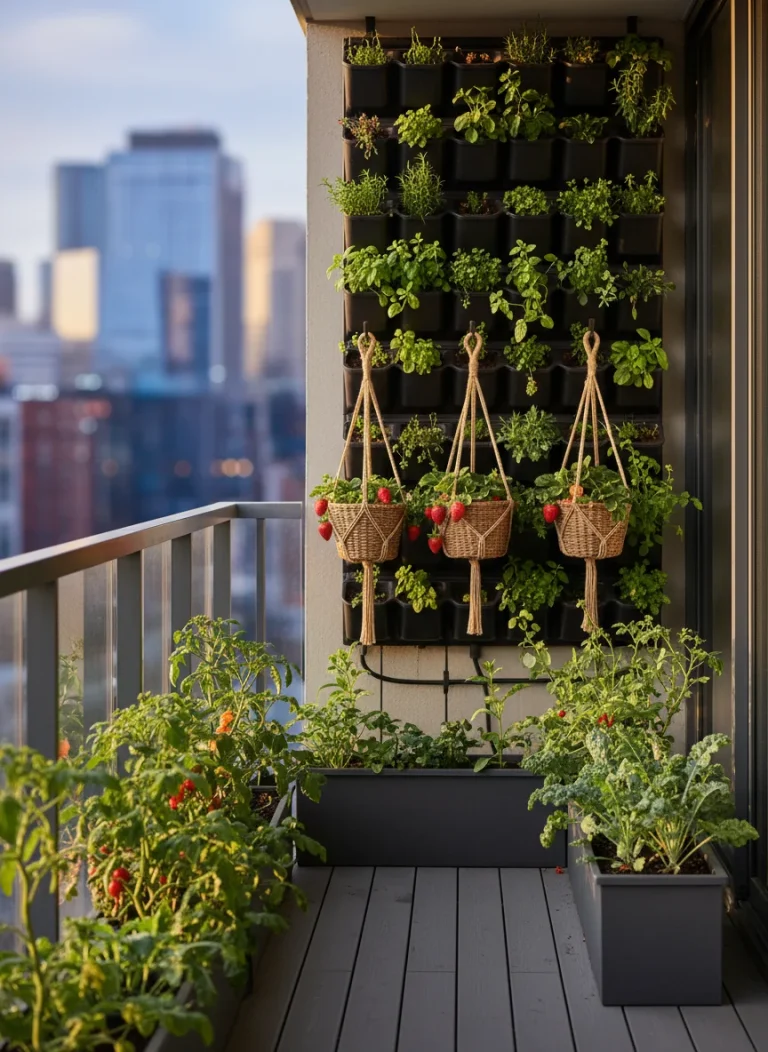
Peas are a cool-weather crop. They are perfect for spring or fall. Unlike bush beans, peas usually do need some support. However, they are great for vertical gardening. You can place a pot against a wall and run strings up for the peas to climb.
Growing vertically saves floor space. This allows you to grow more food on a small balcony. Fresh peas taste significantly sweeter than anything you can buy in a store. The sugar in peas turns to starch very quickly after picking. Eating them right off the vine is a luxury.
9. Beets
Beets are a two-for-one deal. You can eat the dark red root. You can also eat the leafy green tops. The greens taste similar to Swiss chard. You can harvest a few leaves while you wait for the root to plump up.
Beets need a pot with decent depth. Six to eight inches is usually sufficient. Like carrots, they prefer cool weather. They can get tough if grown in the intense heat of mid-summer.
10. Potatoes
Growing potatoes in a container is fun. You do not need a farm. You can use a deep pot or a specialized fabric grow bag. The process is unique. You put a few inches of soil in the bottom and plant your seed potato. As the plant grows up, you add more soil around the stem. This is called “hilling.”
The plant produces new potatoes all along the buried stem. At the end of the season, you simply dump out the bag and collect your harvest. It feels like digging for buried treasure.
The Reality of Maintenance
Now that you have chosen your plants, we need to discuss care. Plants in containers rely entirely on you. In the ground, roots can stretch out deep to find water. In a pot, they can only use what you give them.
Watering is Critical
Container plants dry out faster than garden plants. The sun hits the sides of the pot and heats up the soil. On hot summer days, you may need to water every single day. Small pots might even need water twice a day.
Do not rely on a schedule. Check the soil. Stick your finger an inch into the dirt. If it feels dry, add water. If it feels damp, wait. Overwatering is just as dangerous as underwatering. You want the soil to be like a wrung-out sponge.
Feeding Your Plants
Potting mix usually comes with some fertilizer in it. However, this supply runs out after a few weeks. Every time you water, some nutrients wash out of the drainage holes. You must replace them.
Use a balanced liquid fertilizer. You can add this to your watering can once every two weeks. This is boring, but essential. If you stop feeding them, your plants will stop growing. They will turn yellow and fail to produce fruit.
Chasing the Sun
Most of the vegetables on this list need sun to produce energy. We are talking about six to eight hours of direct sunlight every day. Leafy greens are the exception. They can tolerate four to six hours. If you are growing tomatoes or peppers, they need full exposure.
Watch your space for a day before you plant. See where the shadows fall. The beauty of containers is that you can move them. If a tree blocks the light in the afternoon, simply slide the pot to a better spot.
Final Thoughts
Starting a container garden is one of the most rewarding things you can do. It connects you to your food. It forces you to slow down and observe nature. You do not need to be an expert to start. You just need a pot, some good soil, and a little bit of patience. Start with one or two of the vegetables on this list. Once you taste that first homegrown radish or tomato, you will understand why we do it.
Read More
How to Start a Vegetable Garden for Beginners (Step-by-Step)