
Ginger Tea: Benefits, Side Effects, Best Time to Drink, and How to Make It

Estimated reading time: 6 minutes
What is Ginger Tea? (The Core Overview)
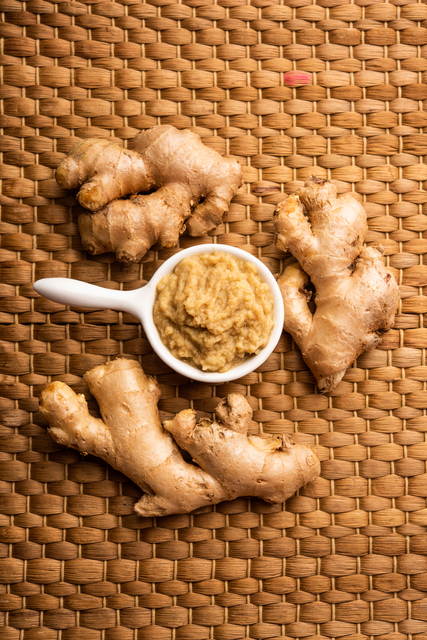
Ginger tea is a spicy, caffeine-free beverage made by steeping fresh or dried ginger root (Zingiber officinale) in hot water. It is one of the world’s most widely used natural remedies, valued for its high concentration of gingerol, a bioactive compound with potent anti-inflammatory and antioxidant effects.
If you are looking for a single drink to improve digestion, reduce nausea, and fight systemic inflammation, ginger tea is the gold standard. While it is generally safe and highly beneficial for most people, it acts as a mild blood thinner and digestive stimulant, meaning it should be consumed in moderation—typically 1 to 3 cups daily.
What will happen if I drink ginger tea every day?
Drinking ginger tea daily creates a cumulative positive effect on your body’s ability to handle inflammation and digestion. Because ginger contains antioxidants like gingerol and shogaol, consistent consumption helps neutralize harmful free radicals.
If you drink it every day, you can expect:
- Improved Digestion: Faster gastric emptying, meaning food moves from your stomach to your small intestine more efficiently, reducing bloating and indigestion.
- Reduced Inflammation: A gradual reduction in systemic inflammation, which is linked to chronic diseases and joint pain.
- Stabilized Immunity: Daily intake provides antiviral and antibacterial support, potentially shortening the duration of common colds.
Note: Stick to less than 4 grams of ginger intake per day. Excessive daily consumption can lead to heartburn or throat irritation.
What are the main benefits of ginger tea? (The Top 5)
While there are over 20 anecdotal benefits of ginger, science strongly supports these top five health impacts:
- Alleviates Nausea: Whether induced by motion sickness, chemotherapy, or surgery, ginger is clinically proven to reduce nausea effectively.
- Relieves Pain (Osteoarthritis): Studies show that ginger’s anti-inflammatory properties can reduce joint pain and stiffness, acting similarly to mild painkillers.
- Lowers Blood Sugar: Ginger may drastically improve HbA1c levels (a marker for long-term blood sugar) in people with type 2 diabetes.
- Reduces Heart Disease Risk: It aids in lowering LDL (bad) cholesterol and blood triglycerides.
- Combats Chronic Indigestion: It treats chronic dyspepsia (pain in the upper part of the stomach) by accelerating stomach emptying.
What organ is ginger good for?
Ginger is most beneficial for the stomach and the liver.
- The Stomach: It prevents gas, bloating, and ulcers by stimulating saliva and bile production.
- The Liver: Ginger helps protect against non-alcoholic fatty liver disease (NAFLD) by reducing insulin resistance and oxidative stress within liver tissues.
Ginger tea benefits for women
Ginger is particularly effective for women’s health, specifically regarding menstrual pain (dysmenorrhea).
Research indicates that taking ginger powder or drinking strong ginger tea during the first 3–4 days of a menstrual cycle can reduce pain as effectively as common NSAIDs like ibuprofen or mefenamic acid. Additionally, it is a safe and effective remedy for morning sickness during pregnancy, though pregnant women should consult their doctor before consuming large amounts.
Benefits of ginger tea for skin
Ginger tea works from the inside out to improve skin health.
- Anti-Aging: The antioxidants in ginger preserve the skin’s collagen, fighting off the enzymes that break down skin elasticity.
- Acne Reduction: Its antiseptic and anti-inflammatory properties can help reduce acne breakouts and soothe irritated skin.
- Glow: By improving blood circulation, ginger tea aids in delivering more oxygen to skin cells, resulting in a healthier complexion.
Side effects of ginger tea
While natural, ginger is potent. Side effects usually occur when consumed in excess (more than 4-5 grams per day):
- Digestive Discomfort: Heartburn, diarrhea, and burping are common if you drink it on an empty stomach or in high quantities.
- Bleeding Risk: Ginger contains salicylates, the chemical found in aspirin that acts as a blood thinner.
- Mouth Irritation: Some people experience a “chili burn” sensation in the mouth or throat.
What not to mix with ginger tea?
Avoid mixing ginger tea with blood-thinning medications (like Warfarin or aspirin) or diabetes medications without medical supervision. Because ginger naturally thins the blood and lowers blood sugar, combining it with these drugs can cause your levels to drop too low or increase the risk of bleeding.
Best time to drink ginger tea
- For Digestion: Drink it after a meal. This helps stimulate the digestive enzymes required to break down food and prevents the “afternoon slump.”
- For Metabolism: Drink it first thing in the morning (on an empty stomach, if you do not suffer from heartburn). This can jumpstart your metabolism and wake up your digestive tract.
- For Sleep: Drink it before bed, provided it is caffeine-free. It can help relax the body, though be mindful that it is a diuretic and may cause bathroom trips.
Chewing raw ginger benefits
If you don’t have time to brew tea, chewing raw ginger is the fastest way to access its benefits. This method releases fresh juices directly into the mouth and throat. It is the most effective method for immediate relief from motion sickness or sudden nausea. However, the taste is intense and spicy.
How to make ginger tea (The Perfect Recipe)
To get the maximum medical benefit, you should use fresh ginger root rather than tea bags.
Ingredients:
- 1-inch piece of fresh ginger root (scrubbed clean).
- 1 cup of water.
- Optional: Honey, lemon, or turmeric.
Instructions:
- Slice: Thinly slice the fresh ginger into rounds. There is no need to peel it if you wash it well, but peeling releases more flavor.
- Boil: Combine the ginger and water in a saucepan. Bring the water to a boil.
- Simmer: Once boiling, reduce heat to low and let it simmer for 5 to 10 minutes. (Simmer longer for a stronger, spicier tea).
- Strain: Pour the tea through a fine-mesh sieve into your mug.
- Season: Add a squeeze of fresh lemon and honey to taste.
Can you boil ginger in water and drink it?
Yes. This method is called a decoction. Unlike steeping a tea bag, boiling the root extracts the active gingerols and essential oils much more effectively.
How do you make ginger tea for an upset stomach?
Follow the recipe above, but omit the honey/sugar. Sugar can sometimes aggravate an upset stomach. Add a few drops of peppermint oil or fresh mint leaves, as mint works synergistically with ginger to soothe stomach cramps.
Key Takeaways
- Daily Use: Drinking ginger tea daily is safe and boosts immunity, but limit intake to under 4 grams of extract to avoid heartburn.
- Top Benefits: Nausea relief, pain reduction (menstrual and joint), and blood sugar regulation.
- Best Time: Drink in the morning for metabolism or after meals for digestion.
- Preparation: Boiling fresh ginger root (decoction) is superior to using tea bags for health benefits.
- Caution: Consult a doctor if you are on blood thinners or diabetes medication.
Frequently Asked Questions
Does ginger tea contain caffeine?
No, pure ginger tea made from the root is naturally caffeine-free.
Can ginger tea help me lose weight?
Ginger tea is not a magic weight-loss cure, but it promotes thermogenesis (heat production) and increases feelings of fullness, which can support a weight management plan.
Disclaimer: This information is for educational purposes. Please consult a healthcare provider before trying new herbal remedies. Please read our full disclaimer here.