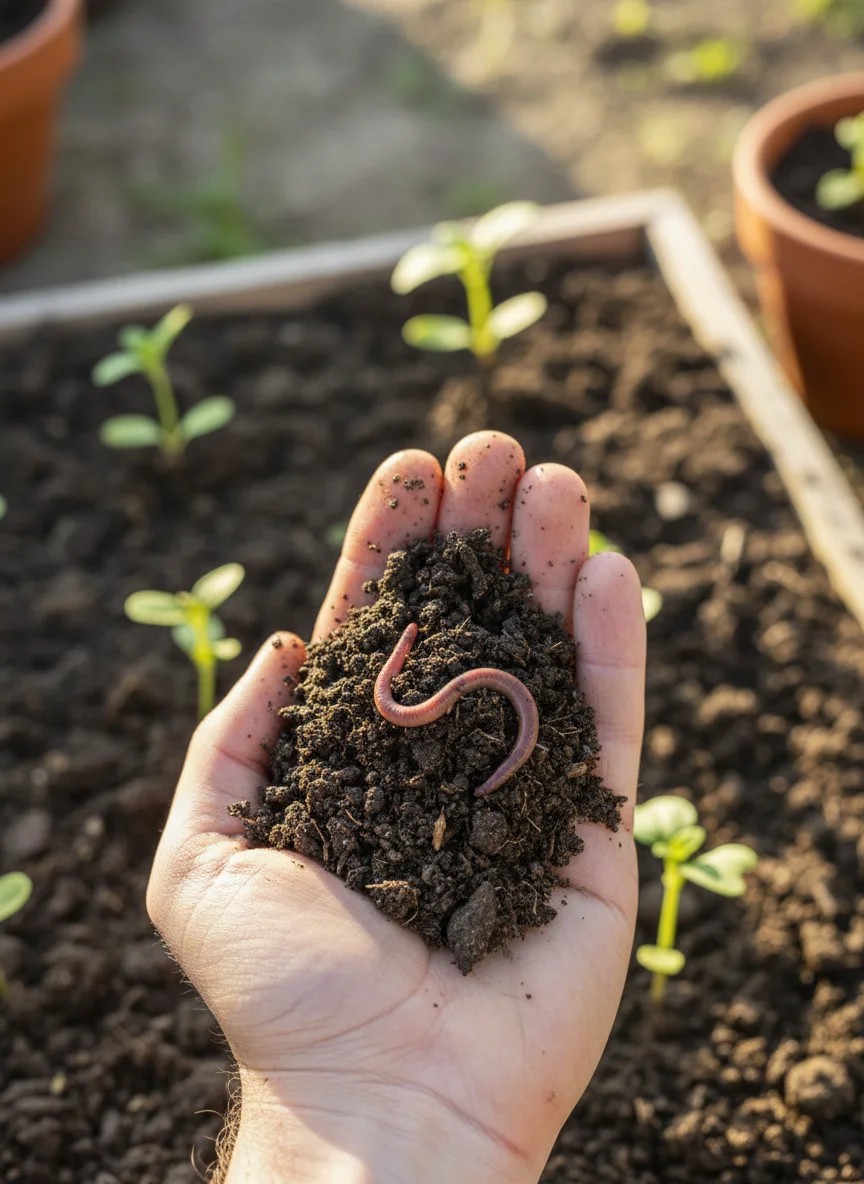
How to Attract More Earthworms to Your Garden Naturally
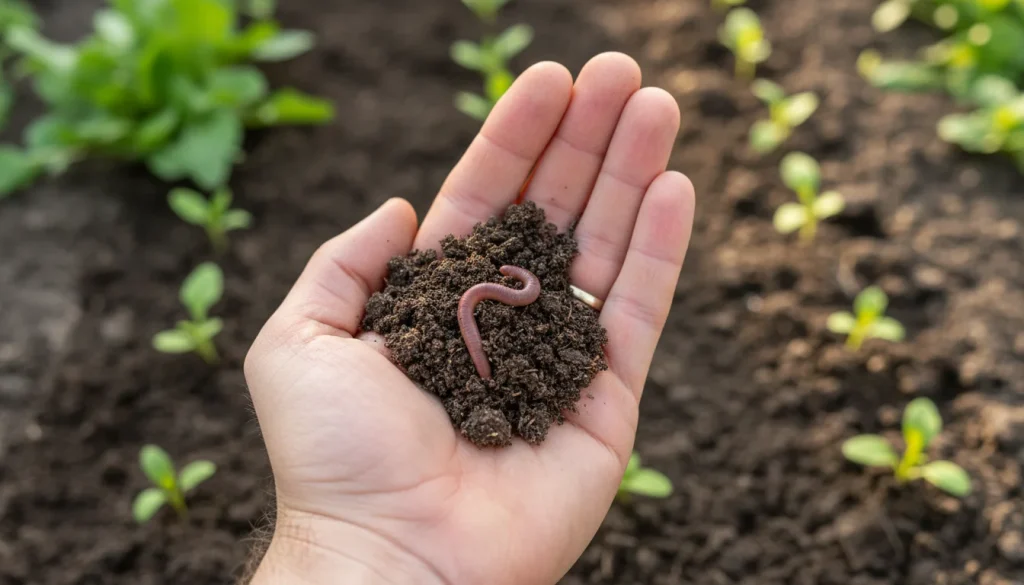
Why Your Garden Needs Earthworms
Let’s be honest. We spend hundreds of dollars on fertilizers and aeration tools every year. We obsess over the perfect nutrient balance. We work hard to break up compacted clay. Yet we often ignore the most effective workers in the garden. These workers operate twenty-four hours a day. They do not require a paycheck. They improve the soil structure better than any machine ever could.
We are talking about earthworms. These simple creatures are the surest sign of a healthy ecosystem. If you dig into your soil and find it teeming with worms, you know you are doing something right. If you dig and find nothing but hard dirt, you have a problem.
Worms are not just residents of the soil. They are engineers. As they move through the ground, they create tunnels. These tunnels allow air and water to reach plant roots. This is crucial for drainage. Without these channels, water sits on the surface or runs off. With them, water penetrates deep into the earth. Furthermore, worms consume organic matter and excrete it as castings. These castings are incredibly rich in nutrients. They are nature’s most perfect fertilizer.
The goal is simple. We want to turn your garden into a worm paradise. We do not need to buy worms and dump them in the ground. That rarely works. Instead, we must create an environment where they want to live and breed. We build it, and they will come.
Save this pin to your Pinterest gardening board to easily find it later
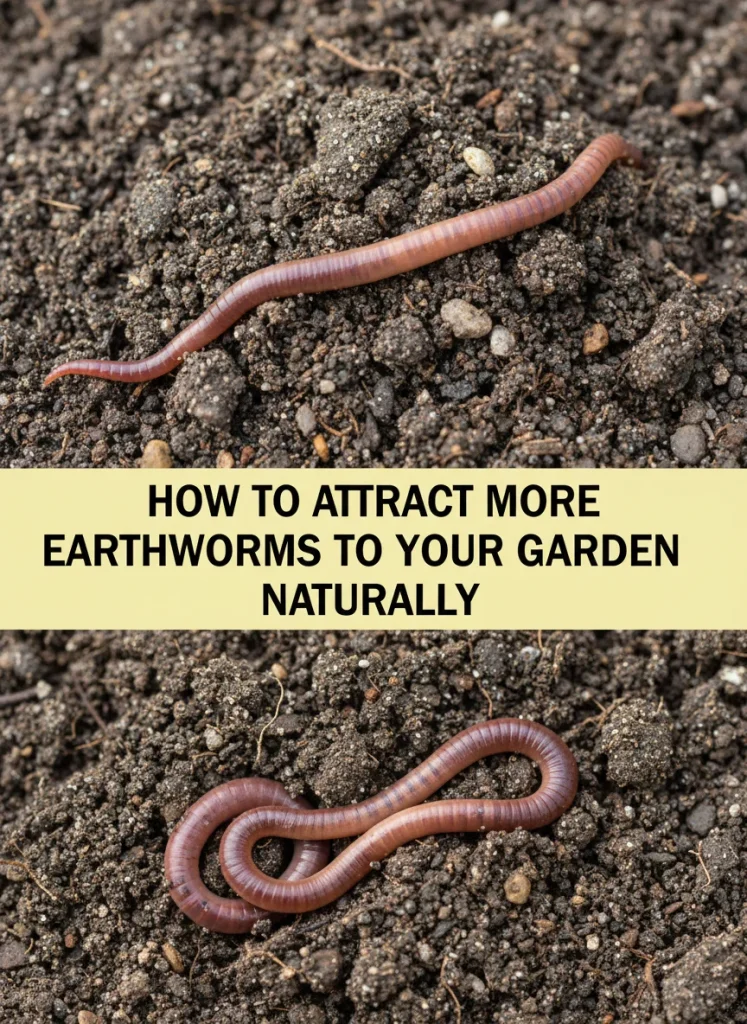
Feed Them and They Will Stay
Here is the reality of soil biology. Earthworms are hungry organisms. They require a massive amount of food to survive and reproduce. If your soil is barren and lacks organic material, the worms will leave. They will migrate to a neighbor’s yard where the dining options are better. Or worse, they will die.
We must provide a consistent buffet of organic matter. This is the single most important step. Organic matter includes compost, aged manure, decaying leaves, and grass clippings. You should spread this material right on top of the soil. Many gardeners believe they need to bury it. This is not necessary. Earthworms are excellent at pulling food down from the surface. They come up at night, grab a leaf or a bit of compost, and drag it into their burrows. This mixing action improves the soil at deeper levels without you lifting a shovel.
You should also consider your kitchen waste. Coffee grounds are a favorite treat for worms. They are granular and easy for worms to consume. You can sprinkle used coffee grounds directly on the soil surface or mix them into your compost pile. Just do not overdo it. A light dusting is perfect.
The Importance of Mulch
Bare soil is dead soil. When soil is exposed to the sun, it bakes. It becomes hard and dry. Earthworms cannot survive in these conditions. They have soft, moist bodies. They need protection from the elements.
This is where mulch becomes your best friend. You must mulch heavily. Use wood chips, straw, or shredded leaves. A thick layer of mulch acts like a roof over the worms’ heads. It keeps the soil cool during the heat of summer. It retains moisture. It also provides a slow-release food source. As the mulch breaks down, the worms eat the decaying underside.
Think of mulch as a habitat. It creates a dark, damp environment right at the soil surface. This allows worms to feed safely. Without mulch, worms stay deep underground to avoid drying out. We want them active near the surface where your plant roots are.
Keep Roots in the Ground
This is often overlooked, but plant roots are a vital part of the worm ecosystem. When you harvest a plant, your instinct might be to yank the whole thing out. You pull up the roots and shake off the dirt. We need to change that habit.
Instead of pulling plants out, cut them off at the soil line. Leave the roots in the ground. These roots will slowly decompose. As they rot, they become a feast for earthworms and beneficial bacteria. The decaying roots also leave behind channels that help aerate the soil. It is a free food source that requires zero effort from you. Simply cut the stalk and walk away.
You can also plant cover crops. These are plants grown specifically to feed the soil. When your vegetable garden is empty in the winter, plant a cover crop like clover or rye. These plants keep living roots in the soil year-round. They provide a steady supply of sugars and organic matter. This ensures your worms have food even in the off-season.
Moisture Management is Critical
Earthworms breathe through their skin. To do this, their skin must remain moist. If they dry out, they suffocate. This is why you rarely see worms in sandy, dry environments. We need to maintain consistent soil moisture.
The goal is to keep the soil like a wrung-out sponge. It should be damp to the touch but not dripping wet. If you squeeze a handful of soil and water runs out, it is too wet. If it crumbles into dust, it is too dry.
Boring, but essential. You must monitor your watering habits. Consistent moisture is key. Mulch helps with this significantly. It locks water into the ground and prevents evaporation. However, you must also ensure good drainage. While worms need moisture, they cannot swim. If your soil is waterlogged and swampy, the worms will drown or flee. They need oxygen just as much as they need water. If you have heavy clay soil that pools water, focus on adding organic matter to improve drainage.
Stop Tilling Your Garden
We need to address the most destructive habit in modern gardening. Tilling. Many of us were taught that we must rototill the garden every spring. We churn up the earth to make it fluffy. We believe this helps the plants. In reality, this is a disaster for earthworms.
Imagine a tornado tearing through a city. That is what a tiller does to a worm population. The metal blades slice through the worms. It kills them instantly. Even if a worm survives the blades, its home is destroyed. Tilling collapses the tunnels they worked so hard to build. It destroys the structure of the soil.
The solution is the “No-Dig” method. Put down your spade. Sell your rototiller. Instead of digging, we layer organic matter on top. We let the worms do the tilling for us. They are far more gentle and efficient. When you stop tilling, the worm population explodes. They can reproduce without fear of being chopped up. They establish permanent burrow systems. The soil structure improves naturally over time.
Watch the Chemistry
Earthworms are sensitive creatures. They react poorly to harsh chemicals. This includes synthetic fertilizers, herbicides, and pesticides. Synthetic fertilizers are often salt-based. These salts irritate the sensitive skin of earthworms. High concentrations of chemicals can drive them away or kill them outright.
Avoid using chemical weed killers and bug sprays. These toxins disrupt the entire soil food web. If you kill the bacteria and fungi with chemicals, the worms lose a food source. Everything is connected. Stick to organic fertilizers like fish emulsion, compost tea, or blood meal. These are gentle on the ecosystem.
You should also pay attention to pH. This is the measure of how acidic or alkaline your soil is. Earthworms prefer a neutral to slightly acidic environment. A pH range of 4.5 to 6.7 is generally acceptable, but they thrive best near neutral. If your soil is extremely acidic, worms will struggle. You can test your soil pH with a simple kit. If it is too acidic, adding agricultural lime can help balance it out. However, adding organic matter usually buffers the pH naturally over time.
Reduce Soil Compaction
Worms need to move. They cannot tunnel through concrete. If your soil is compacted and hard, they cannot do their job. Compaction happens when we walk on the garden beds. It happens when we drive heavy machinery over the soil. It happens when we work the soil while it is wet.
We must establish designated walkways. Never walk on the growing beds. This keeps the soil in the planting zones loose and fluffy. If you must step into a bed, use a board to distribute your weight. If you need to aerate the soil, use a garden fork. Push the fork in and gently rock it back and forth. Do not turn the soil over. This cracks the ground open and lets air in without destroying the soil structure. This method preserves the worm tunnels while relieving compaction.
The Long Game
Building a worm-rich garden does not happen overnight. It takes time for the population to rebound. You might not see a difference in a week. But if you follow these steps, the change will come. You will notice the soil getting darker. You will see it holding water better. Your plants will look healthier.
Nature wants to help you. The earthworms are waiting for the right conditions. Provide them with food, shelter, and safety. Avoid the harsh chemicals and the heavy machinery. Period. If you treat the soil with respect, the underground workforce will take care of the rest.
Continue Reading
15 Houseplants That Thrive With Zero Sunlight
The Ultimate Guide to Growing Broccoli in Containers for Small Spaces