How to Buy David Austin Roses Outside the UK and Grow Them in Brazil
Disclosure: This article contains affiliate links. As an Amazon Associate, we earn from qualifying purchases at no extra cost to you. We only recommend products we would use ourselves.
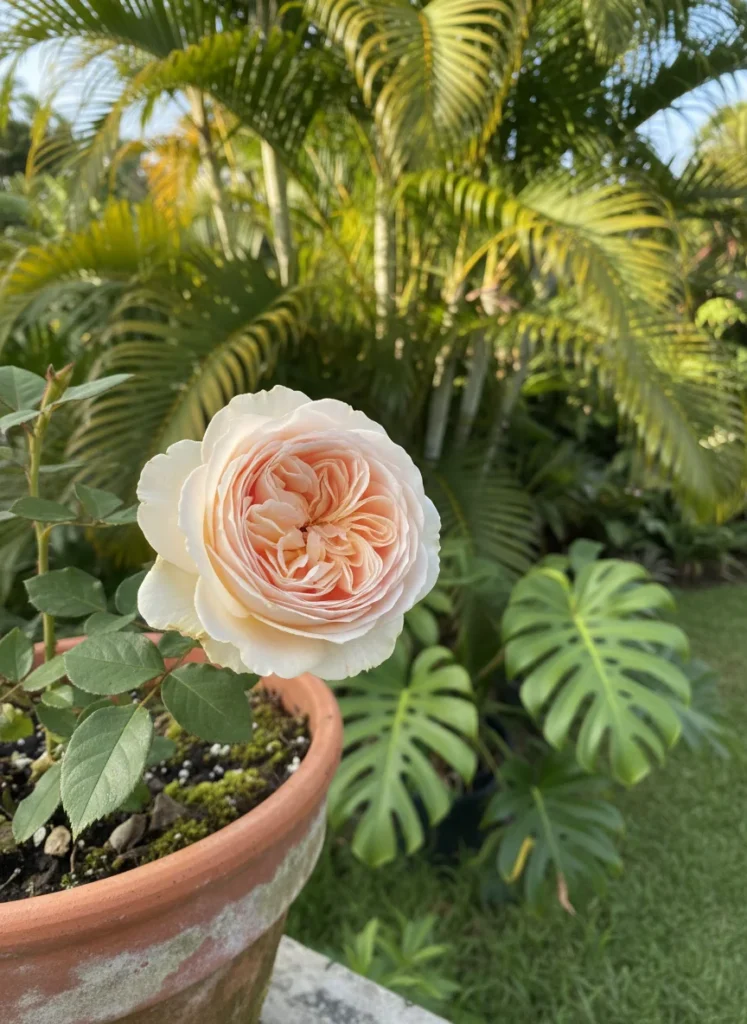
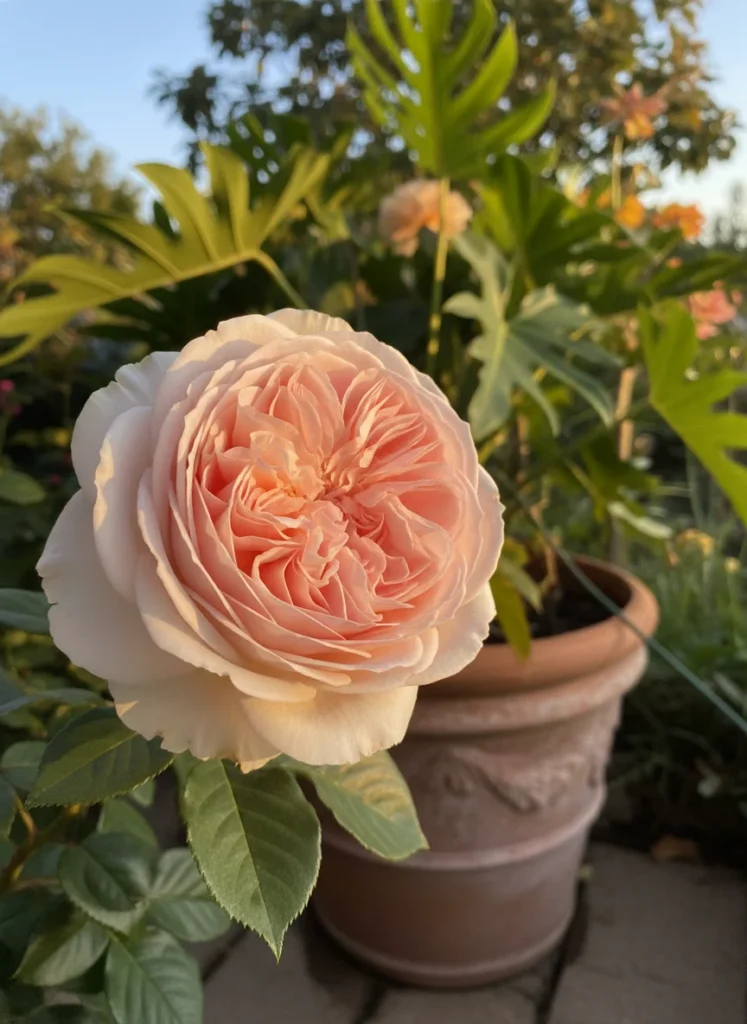
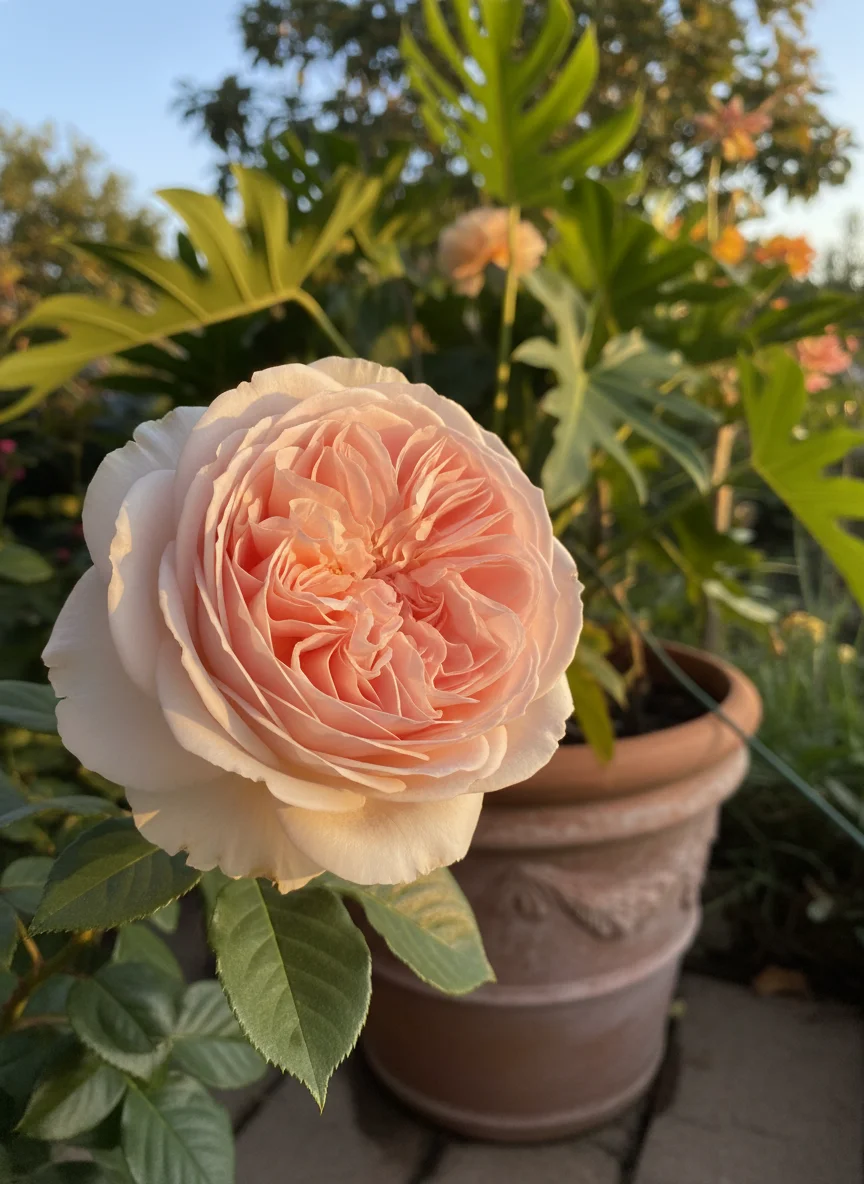
There is a particular kind of gardening obsession that starts the moment you see your first David Austin rose in full bloom. The layered petals, the fragrance that stops you mid-step, the way each flower looks like it belongs in a painting from another century. If you have caught that bug, you already understand why someone in Rio de Janeiro would go to considerable effort to track down a specific variety from the other side of the world.
Buying David Austin roses outside the UK is not as simple as adding to cart and waiting for delivery. Authenticity, customs documentation, and shipping all create real hurdles that catch buyers off guard. Once the plants arrive, the standard care advice written for English gardens needs real adjustment for a tropical climate.
This guide covers all of it so you can get the roses you want, legally, safely, and growing well.
Why David Austin Roses Are Worth the Effort
David Austin spent decades crossing old garden roses with modern varieties. His goal was a combination most rose breeders called impossible: the full cupped blooms and rich fragrance of heritage roses, paired with the repeat flowering and disease resistance that modern gardeners need. His breeding program evaluates over 250,000 seedlings every year. A variety only gets released after at least eight years of field trials.
That standard separates these roses from what you find at a local nursery. Claire Austin, with its layered ivory blooms and strong myrrh fragrance, has a devoted following worldwide. Olivia Rose Austin, bred for exceptional disease resistance, is one of the most requested varieties globally. For gardeners who care deeply about what they grow, there is no close substitute.
Popularity has created a problem, though. Mislabeled plants and poor quality rootstocks sold under the David Austin name exist in international markets. Knowing where to buy and what to verify protects you from spending real money on a plant that will never perform as expected.
How to Buy David Austin Roses Outside the UK
Start With the Official Website
The official David Austin website operates separate portals for the UK, Europe, and the United States. Their US nursery sits in Tyler, Texas, and ships across the States as established potted plants. Their international page lists authorized distributors by country, which is the best starting point for buyers outside the UK and US.
For US-based orders, Plant Addicts is one of the most trusted third-party retailers carrying David Austin varieties. Their packaging is designed specifically for live plant transit. A one-year warranty comes included, which matters when investing in premium plants.
How to Verify Authenticity Before You Buy
Before buying from any supplier outside the official network, check these things carefully.
Genuine plants carry official David Austin labeling with the variety name, a unique variety code, and care information specific to that cultivar. Generic tags showing only a color description and no named variety are a clear warning sign.
Cross-reference the variety description against the official David Austin catalog before committing. Every genuine variety has documented characteristics including bloom color, fragrance profile, mature height, and disease resistance rating. Walk away from any seller whose description is vague or inconsistent with the catalog.
Price is also a signal worth reading. Genuine David Austin roses cost significantly more than standard nursery roses. Plants claiming to be David Austin varieties at suspiciously low prices almost never are.
Browse David Austin roses on Amazon
Shipping and Import Rules for Brazil
Getting the import side wrong can result in your plants being destroyed at customs. There is no compensation and no recourse when that happens. Read this section carefully before placing any order.
What MAPA and VIGIAGRO Require
Brazil’s Ministry of Agriculture, Livestock and Supply, known as MAPA, regulates all plant imports through a border monitoring system called VIGIAGRO. Live plants including ornamental roses fall under phytosanitary import requirements. These rules exist to prevent exotic pests and diseases from entering Brazilian territory.
The exporting nursery must provide a phytosanitary certificate from the official plant protection authority of the country of origin. This document confirms the plants were inspected and found free of regulated pests. A shipment without it can be seized and destroyed at the border.
Only purchase from suppliers with direct experience shipping live plants to Brazil. Ask this question before placing any order. A supplier who hesitates or cannot answer clearly has not done this before.
Bare Root or Potted: Which Is Better for International Shipping?
Bare root roses suit international shipping much better than potted plants. They are dormant plants shipped without soil, which makes them lighter, easier to package, and less complicated at customs. David Austin ships bare root roses seasonally, aligned with the dormant period in the country of origin.
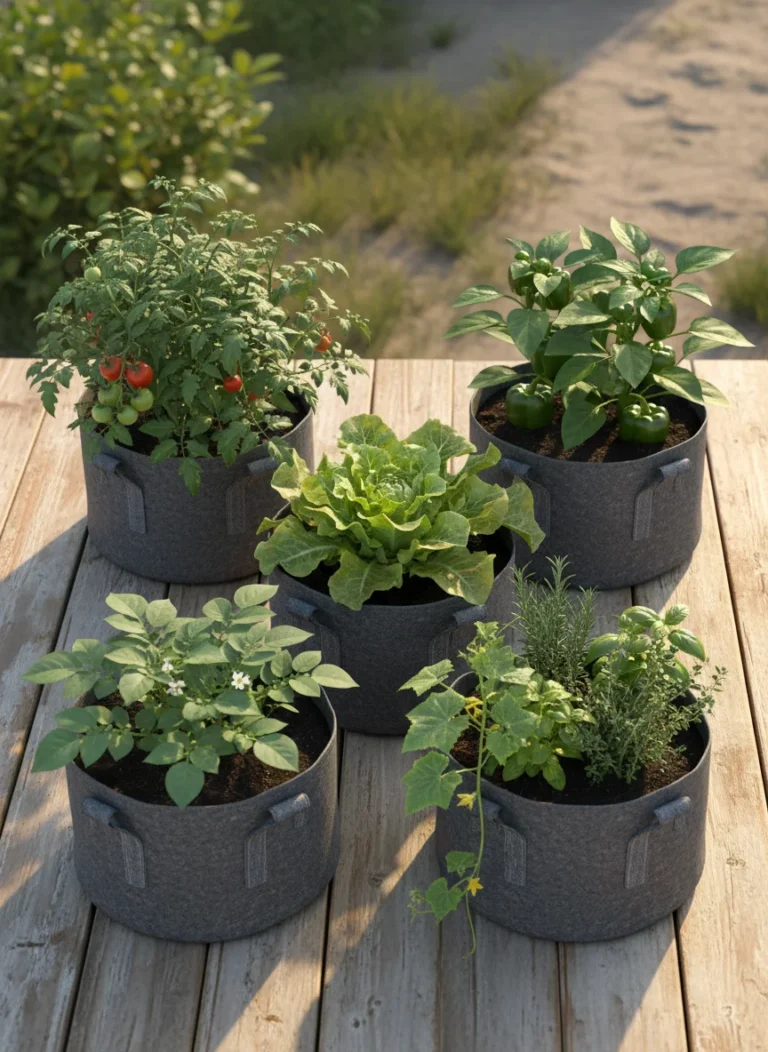
In Rio de Janeiro, bare root establishment needs careful attention during the first few weeks. Roots need consistent moisture while the plant settles in, but the soil cannot stay waterlogged. Dark fabric grow bags with good drainage and a quality potting mix with added perlite handle this combination well.
Potted plants can be shipped internationally, but confirm the packaging is engineered specifically for live plant transit. Plants in inadequate packaging rarely survive a multi-day international journey in good condition.
Growing David Austin Roses in a Tropical Climate
Rio de Janeiro stays warm year-round. Summer runs from December to January in the southern hemisphere, and temperatures can reach 104 degrees Fahrenheit during the hottest months. Standard rose care advice was written for English gardens. Most of it needs reinterpreting for these conditions.
Managing the Dormancy Problem
Roses thrive in climates where cold winters force a rest period. That dormancy helps them recover from pest and disease pressure and store energy for strong regrowth. In a warm tropical climate, roses grow continuously without rest. This leads to increased fungal disease, persistent pest pressure, and heat stress.
The solution is to create a simulated rest period manually. After a strong flush of blooms, cut the plant back by about a third. Reduce fertilizing for four to six weeks and ease back on watering slightly without letting the plant dry out completely. This pushes the plant to consolidate energy before the next flowering cycle.
Light, Heat, and Shade Management
Morning sun with afternoon shade works well for David Austin roses in Rio de Janeiro. Plants get the light they need during cooler morning hours without the damaging intensity of afternoon heat. This arrangement reduces flower burn and leaf stress from December through February significantly.
Where shade positioning is not possible, light shade cloth suspended above containers during peak summer months provides real protection. This small adjustment makes a noticeable difference to both plant health and bloom quality during the hottest weeks.
Soil, Drainage, and Container Setup
High humidity and heavy tropical rainfall create two main risks: fungal disease and root rot. Growing in containers with excellent drainage reduces both risks compared to ground planting in areas prone to waterlogging.
Use a quality potting mix with perlite added at roughly 20 percent by volume. This improves drainage and aeration and prevents the compaction that dense soil develops over a long growing season. Water deeply two to three times per week until established. Once established, deep watering twice a week works well. Always water at the base of the plant to keep foliage dry.
View rose fertilizer options on Amazon
Choosing the Right Varieties for Tropical Conditions
Not every David Austin variety performs equally in warm, humid climates. Varieties rated for high disease resistance handle tropical conditions far better than those bred primarily for bloom form or fragrance without resistance built in.
Olivia Rose Austin, Lady of Shalott, The Lark Ascending, and Darcey Bussell are all recommended for warmer and more humid growing conditions. Use the official David Austin variety finder and filter by disease resistance before making your final selection.
Old garden varieties like Albas and Centifolias often struggle in warm climates because they need winter dormancy. China roses and Tea roses handle heat better. Many modern floribundas and hybrid teas have inherited that heat tolerance and are worth considering alongside David Austin varieties.
Pest and Disease Management
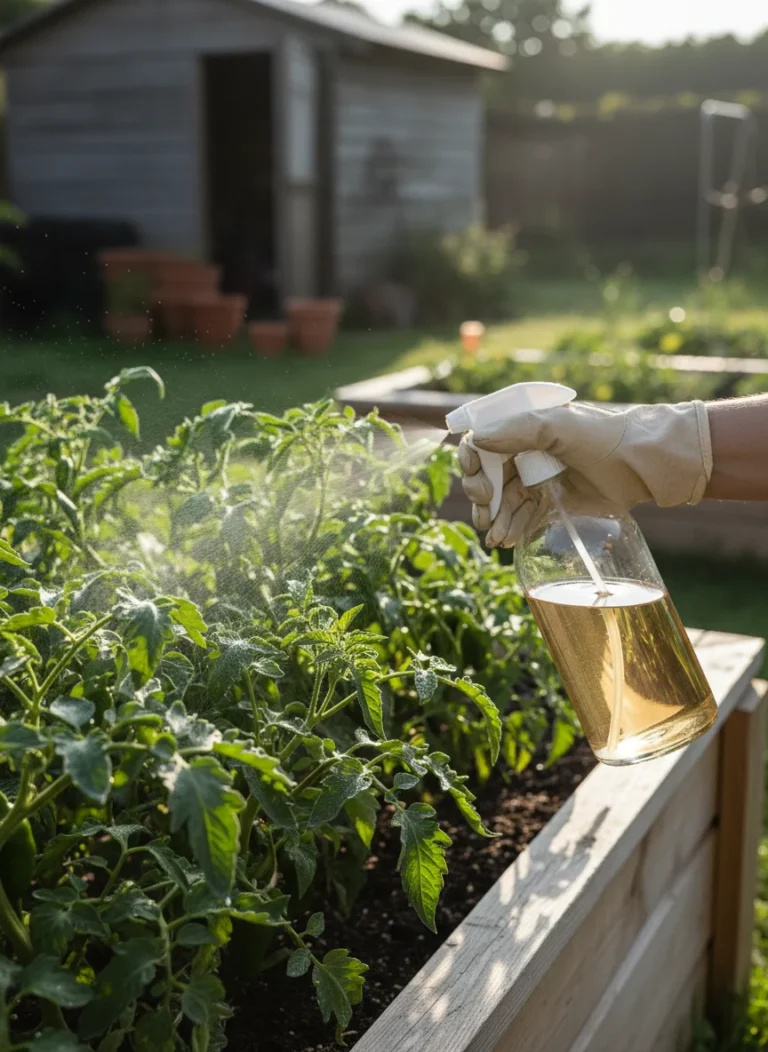
Aphids, spider mites, and thrips are the most common rose pests in tropical climates. Populations build quickly in consistently warm conditions. Neem oil applied preventively every 10 to 14 days handles all three effectively while leaving beneficial insects largely unharmed. For active infestations needing faster action, insecticidal soap applied directly to pest colonies on leaf undersides works within minutes.
Black spot is the primary fungal threat in humid conditions. At the first sign of black spots surrounded by yellowing leaf tissue, remove affected leaves and apply a copper-based fungicide. Keep containers spaced apart to improve air circulation around each plant.
Our guide to the 7 Best Organic Pesticides for Vegetable Gardens (Safe & Effective) covers neem oil, insecticidal soap, and copper-based treatments in detail. Everything there applies equally to ornamental roses.
Check neem oil options on Amazon
Troubleshooting Common Problems
Yellowing leaves with black spots: Black spot fungal disease is the most common culprit in humid climates. Remove affected leaves right away, improve air circulation, and apply a copper-based fungicide. Never compost affected leaves.
Flower balling: Buds that fail to open and turn brown at the tips are balling, usually from high humidity during bud development. Light overhead protection during heavy rain and better air circulation around the plant both reduce how often this happens.
Poor repeat flowering: Three causes are most common in tropical climates. Too little light, too much nitrogen pushing leafy growth instead of blooms, or a plant exhausted from continuous production. Cut back, reduce feeding, then switch to a high-potassium fertilizer to encourage the next flush.
Leggy growth with few blooms: This points to insufficient sunlight. Roses need at least six hours of direct sun daily for reliable flowering. Move containers to a sunnier spot if this is the issue.
Root rot: Usually caused by overwatering or poor drainage. Lift the plant from its container, cut away damaged roots, let it dry slightly, then replant in fresh mix with added perlite. Water less frequently going forward.
Local Alternatives Worth Knowing
If international shipping feels too complex for your first season, Brazilian nurseries in São Paulo state have been importing and propagating David Austin licensed varieties for local sale. Local Facebook groups and gardening forums are the most current and reliable source of information about which nurseries carry authentic varieties right now.
Rosa de Resende is a Brazilian-bred variety that tolerates tropical conditions exceptionally well. It produces full, fragrant blooms with genuine character and grows easily in Rio de Janeiro’s climate. It will not replace a specific David Austin variety, but it makes a strong companion plant while you work through the international sourcing process.
Pre-Order Checklist
Before placing any international order for David Austin roses destined for Brazil, confirm each of these points:
- The supplier has direct experience shipping live plants to Brazil and understands VIGIAGRO requirements
- Your chosen variety is verified against the official David Austin catalog
- The supplier provides a phytosanitary certificate from the plant protection authority of the country of origin
- Your order is timed for the bare root shipping window while the plant is dormant
- Containers, potting mix, and perlite are ready before the plants arrive
- Neem oil and a copper-based fungicide are on hand so preventive care starts immediately
Frequently Asked Questions
Can David Austin roses survive year-round in Rio de Janeiro? Yes, and they can bloom almost continuously without a cold winter forcing dormancy. The key is managing simulated rest periods between flowering cycles and staying consistent with fungal disease prevention. With the right variety and care they perform very well.
Does David Austin ship directly to Brazil? David Austin does not currently ship directly to Brazil through their standard portals. Brazilian buyers need to source through licensed international distributors or purchase through US-based retailers and arrange international forwarding. Always confirm phytosanitary documentation before any cross-border shipment.
What is the best David Austin variety for Rio de Janeiro? Varieties rated for high disease resistance and heat tolerance perform best. Olivia Rose Austin, Lady of Shalott, and Darcey Bussell are all recommended for warmer and more humid conditions. Use the official variety finder filtered by disease resistance before choosing.
Is bare root or potted better for importing to Brazil? Bare root is the better choice for international shipping. It is lighter, requires simpler packaging, and clears customs with less complication. Potted plants need specialist packaging and are more complex to transport safely across borders.
What should I do if my roses arrive damaged? Photograph the condition in detail before doing anything else. Contact the supplier the same day. Reputable nurseries offer guarantees on damaged arrivals and will replace or refund plants that arrive in poor condition when you contact them promptly with documentation.
Will David Austin roses bloom year-round in a tropical climate? They can, but continuous production is demanding on the plant. Managing rest periods by cutting back and reducing feeding after each flush keeps tropical-grown roses productive over multiple seasons rather than burning out within a year or two.
Final Thoughts
Buying David Austin roses outside the UK and growing them in Brazil takes more planning than a standard plant purchase. Stick to official channels, get the customs documentation right, choose varieties built for heat and disease resistance, and make the growing adjustments that tropical conditions require.
The effort is genuinely worth it. A well-grown David Austin rose flowering in a Rio de Janeiro garden, through seasons that temperate growers can only imagine, is an extraordinary thing. Get the foundation right and these plants will reward you for years.