
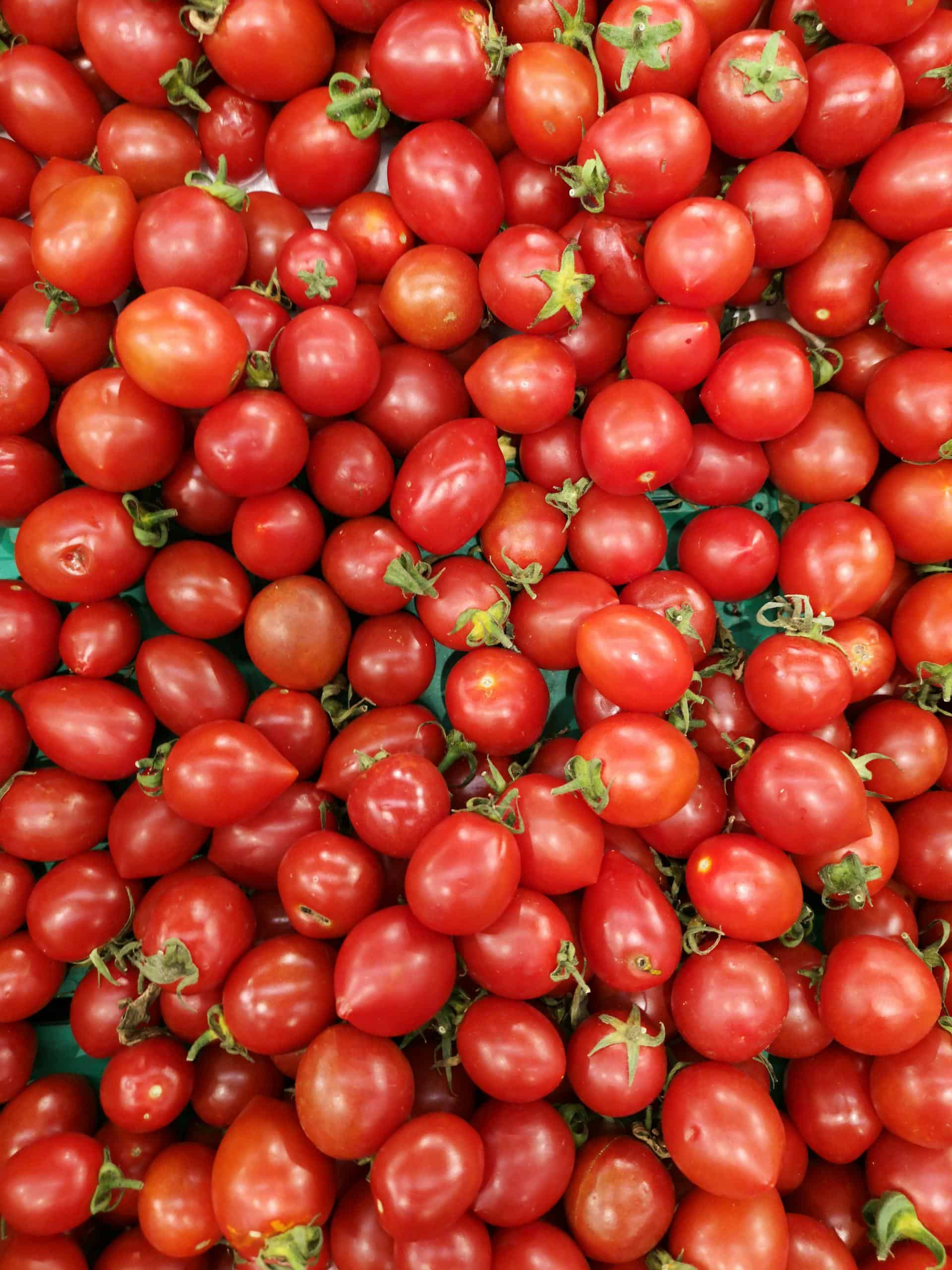
How to Grow the Biggest, Juiciest Tomatoes: The Expert’s 7-Step Protocol
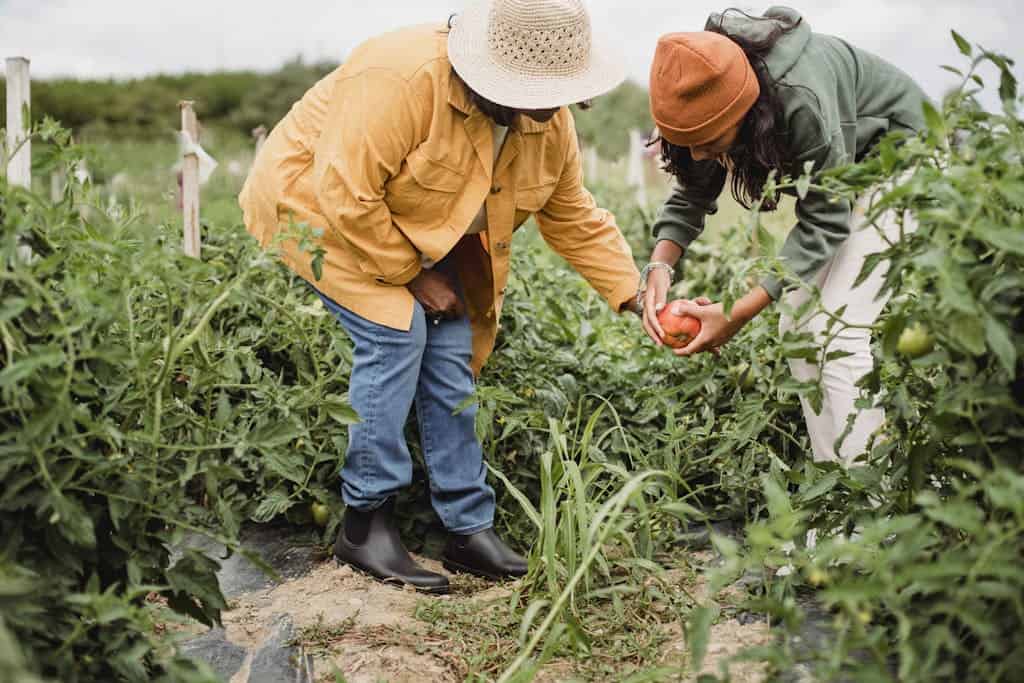
Estimated reading time: 7 minutes
The Secret to Prize-Winning Tomatoes: Prioritizing Energy over Quantity
If you’ve experienced the disappointment of a bland, supermarket tomato, you understand the quest for home-grown flavor. Growing truly massive, juicy tomatoes is not a matter of luck; it is a specialized agricultural strategy. The core secret is simple: you must ruthlessly manage your plant’s energy. Instead of allowing the vine to produce hundreds of small, mediocre fruits, the expert protocol involves funneling all photosynthetic power into a select few “champion” tomatoes. This involves precise genetic selection, deep planting, and targeted pruning to maximize both size and that rich, vine-ripened flavor.
1. Genetics and Growth Habit: Choosing Your Contender for Maximum Size
You cannot bully a small-fruiting variety into a two-pound slicer. The size of your harvest starts with tomato genetics. If your goal is truly giant tomatoes, you must select Beefsteak varieties like ‘Brandywine’, ‘Mortgage Lifter’, or the dark-fleshed ‘Cherokee Purple’, as they are genetically predisposed to large, complex fruits.
The Crucial Distinction: Determinate vs. Indeterminate
- Determinate (Bush): These grow to a set height, set their fruit all at once, and then stop. They are ideal for gardeners focused on bulk canning but rarely produce prize-winning fruits.
- Indeterminate (Vining): These are the monster tomato plants that grow continuously until frost. If you want a season-long supply of big, juicy tomatoes, this growth habit is mandatory.
2. The Underground Game: Deep Planting for a Massive Root Engine
Tomatoes are unique among garden plants because they possess adventitious roots—tiny hairs along the stem that can develop into a full root system when buried. A massive root system translates directly to a massive engine, allowing the plant to uptake more water and essential nutrients.
The Strategy for Bigger Tomatoes:
- Dig Deep: Strip the bottom two-thirds of the leaves from your seedling.
- Bury the Stem: Plant the seedling deep in the ground, burying up to two-thirds of the plant. The buried stem will quickly develop an extensive, horizontal root network.
Preventing Blossom End Rot (BER): The Calcium Connection
Before closing the hole, amend the soil with a source of calcium, such as crushed eggshells or a handful of bone meal. BER is a heartbreaking condition where the fruit’s bottom turns black and leathery. It is not a disease, but a calcium deficiency that prevents strong cellular structure, making early soil amendment non-negotiable for large, healthy fruit.
3. Pruning Suckers: The Secret to Funneling Energy for Size
This is often the hardest and most important step for gardeners seeking big tomatoes. Left unchecked, an indeterminate plant will become a chaotic bush of low-yield fruits. To grow massive Beefsteaks, you must practice aggressive pruning.
The Sucker Punch Technique:
- Identify the Sucker: A “sucker” is a tiny sprout growing in the ‘V’ or crotch between the main stem and a leaf branch.
- Pinch it Off: If you leave it, the sucker becomes another main stem, splitting the plant’s energy. Aggressively pinch off all suckers to redirect the plant’s entire photosynthetic power into the existing developing fruits.
- Limit Leaders: For prize-winning size, limit the plant to one or two main “leader” stems and remove everything else. Fewer fruits = significantly bigger tomatoes.
4. Consistent Watering: The Source of the Explosive Juicy Bite
A tomato is over 90% water, making proper hydration the key to growing the juiciest tomatoes. However, how you water matters more than the amount.
The Golden Rule: Deep, Consistent Watering
- Inconsistent Watering is the Enemy: Allowing the soil to dry out completely, followed by a sudden flood of water, causes the inside of the tomato to expand faster than the skin. This results in cracked, split skins and mealy texture.
- Use Mulch: Apply a thick layer of straw or shredded leaves around the base. Mulch retains soil moisture consistency, allowing the plant to drink steadily and build the proper internal pressure for that juicy bite. Always water at the base to avoid wetting the foliage, which encourages fungal diseases.
5. The Flavor Hack: Baking Soda and Soil pH for Added Sweetness
While baking soda isn’t a growth enhancer, it is a time-tested trick for tuning tomato flavor. The taste of a tomato is a balance between sugar and acid.
How it Works:
- Baking soda (sodium bicarbonate) is alkaline.
- Sprinkling a small amount (about one teaspoon) around the base of the plant once the fruit has set can slightly raise the soil’s pH.
- This subtle change may encourage the plant to produce fruit that is lower in acid and therefore perceived as sweeter on the human palate. Use this trick once the fruit begins to size up.
6. Vertical Support and Airflow for Disease Prevention
Fungal diseases like blight can wipe out a healthy crop in days. To prevent this, you must prioritize airflow and keep the plant dry.
- Go Vertical: Utilize tall stakes, cages, or string-trellis systems to lift the vine off the ground.
- Maximize Air Circulation: Keeping the leaves lifted allows air to circulate, quickly drying off morning dew and dramatically reducing the environment where fungal spores thrive. A healthy, sun-exposed plant directs more energy to fruit expansion.
7. The Ultimate Payoff: Waiting for Peak Vine-Ripened Flavor
Commercial growers pick at the “breaker stage” (barely pink) for shipping. You have the luxury of waiting. The sugars and complex flavor compounds in a tomato are not fully developed until the fruit is fully vine-ripened.
- The Harvest Signal: Wait until the fruit is deeply colored and yields slightly to a gentle squeeze, similar to a ripe peach. This is the moment of peak juice, sugar, and the unmistakable summer tomato scent.
Key Takeaways
- Genetics: Choose Indeterminate Beefsteak varieties (Brandywine, Mortgage Lifter) for maximum size.
- Root System: Plant seedlings deep (up to 2/3 of the stem buried) and amend the hole with calcium (bone meal) to prevent BER.
- Pruning: Aggressively pinch off “suckers” to redirect all energy into fewer, larger fruits.
- Watering: Use mulch and practice deep, consistent watering to prevent cracked skins and mealy texture.
- Flavor: Use the baking soda hack once fruit sets to subtly increase perceived sweetness.
Frequently Asked Questions
How exactly do I get my tomatoes to grow larger?
The key to getting larger tomatoes is “thinning.” Once a cluster of flowers sets fruit, snip off the smallest ones, leaving only the one or two largest in that cluster. This, combined with removing suckers (extra stems), forces the plant to concentrate its resources into the remaining, high-potential fruits.
How to grow big beefsteak tomatoes specifically?
To grow big beefsteak tomatoes, start with the right variety (Indeterminate). Plant them deep to establish a powerful root system. Most critically, limit the entire plant to one or two main stems by meticulously removing all suckers throughout the season.
Why should you sprinkle baking soda around your tomato plants?
Baking soda (sodium bicarbonate) is used as a flavor-tuning trick. It is alkaline, and sprinkling a small amount around the soil can slightly lower the soil’s acidity. This change may result in the tomato fruit tasting less acidic and having higher perceived sweetness.


2 Comments