How to Grow Cloves in Buckets (Step-by-Step Guide)
There is something ancient and grounding about the scent of cloves. It’s the smell of winter holidays, of spicy chai, and of old-world preservation. For a long time, I assumed this spice was reserved for the humid hills of Zanzibar or the volcanic soils of Indonesia, forever out of reach for a home gardener like me.
But curiosity is a stubborn thing. After digging through agricultural archives, speaking with seasoned tropical gardeners, and experimenting with my own setups, I realized that growing Syzygium aromaticum (the clove tree) isn’t impossible—it just requires a shift in strategy.
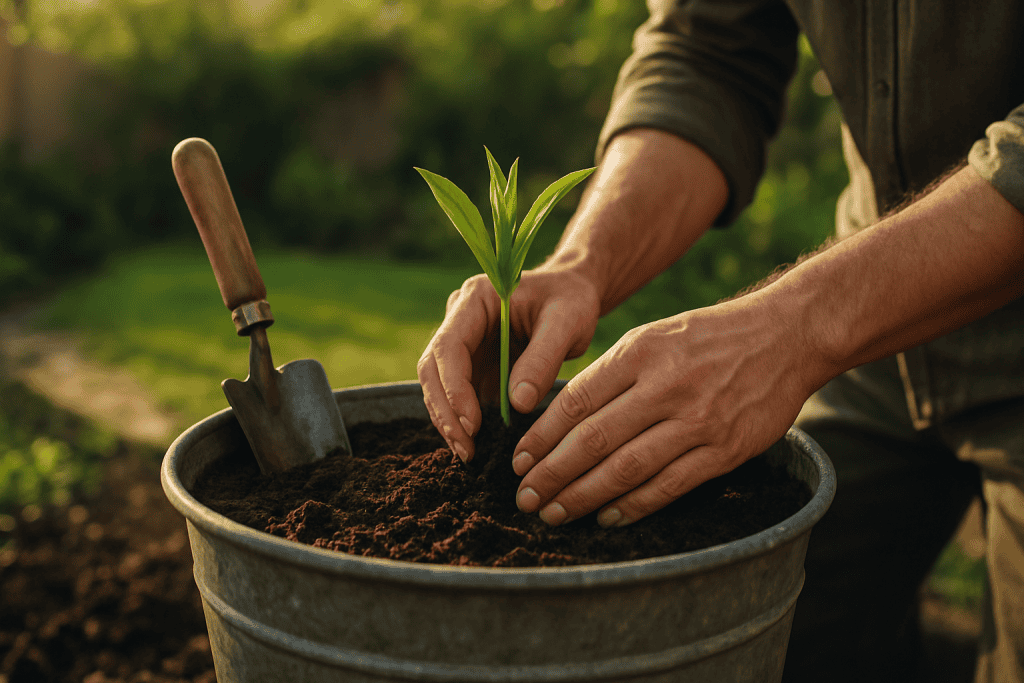
If you live outside the tropics, the ground is your enemy. The cold will kill the roots. The solution? Buckets.
Growing cloves in large containers allows you to become a climate god, moving your tree to chase the sun and hiding it away when the frost bites. It is a slow, meditative process, but holding a harvest of fresh, aromatic buds you grew yourself is worth every year of waiting.
The Hard Truth: Can You Grow Cloves from the Grocery Store?
Before we get our hands dirty, we need to address the most common question I see on forums: Can I just plant the dried cloves from my spice rack?
The short answer is no.
The cloves you buy in a jar are dried flower buds. They have been harvested before opening, fermented, and dried until they are hard and brittle. They are dead. You cannot wake them up.
To grow a tree, you need the fruit of the clove tree, often called “Mother of Cloves.” These are purple, olive-sized fruits that contain the viable seed. Even then, the seeds are notoriously finicky; once harvested, they lose viability within a week. You need to source fresh seeds from a specialized tropical nursery or an exotic seed dealer who ships them moist.
Climate Control: Creating a Mini-Tropics in a Bucket
Clove trees are divas. They crave a humid, warm environment—think of a steamy rainforest bathroom. They thrive in temperatures between 65°F and 85°F (18°C–29°C). Anything below 50°F is a death sentence.
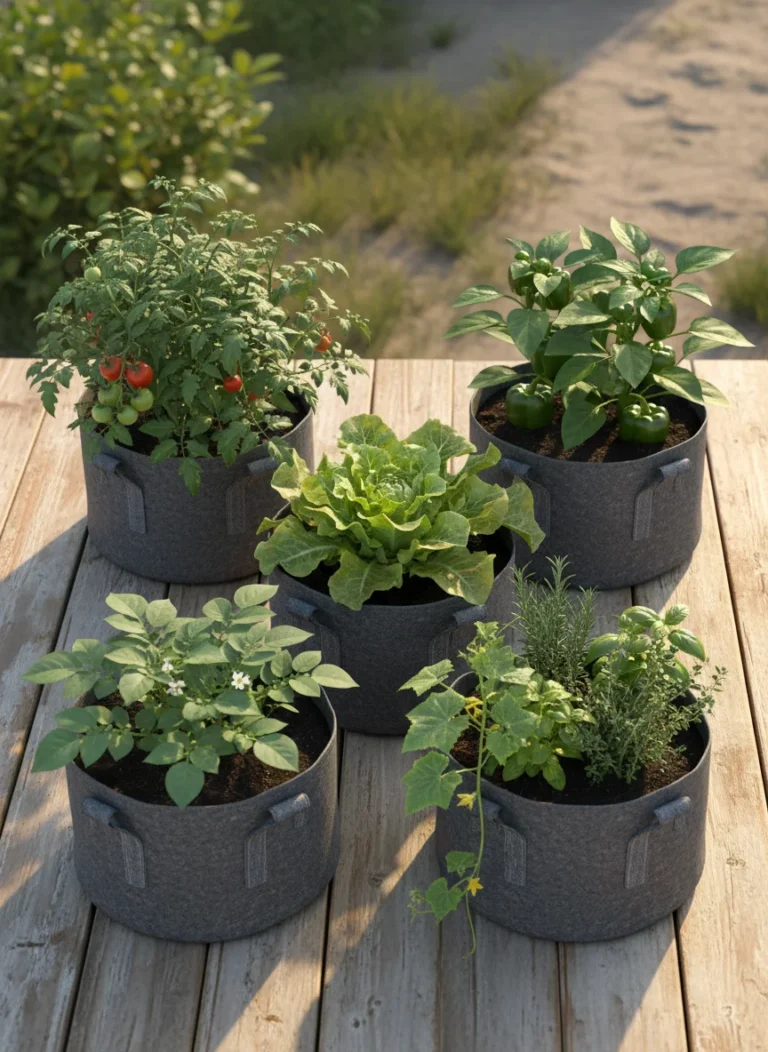
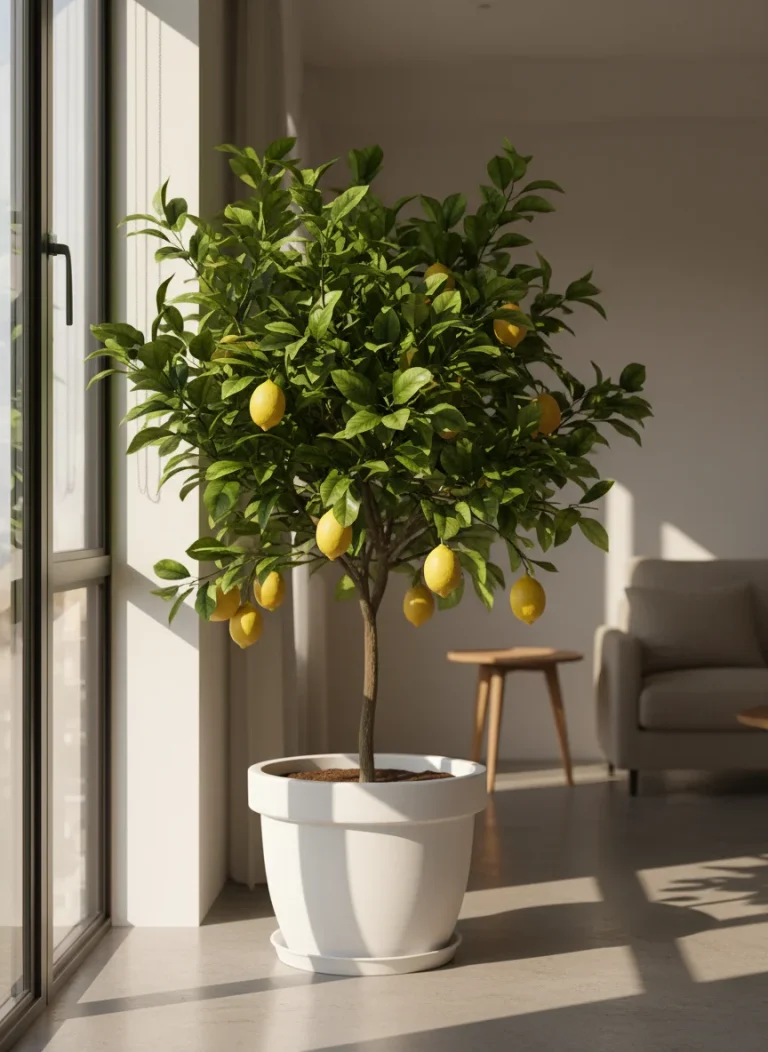
This is why the bucket method is superior. By using a 15 to 20-gallon pot (start smaller for seedlings), you can keep the tree outdoors during the humid summer and wheel it into a sunroom or greenhouse when the temperature drops.
Step-by-Step: Planting Your Clove Tree
After synthesizing advice from various agricultural extensions and tropical growers, here is the roadmap for success.
Step 1: The Soil Mix
In the wild, cloves often grow in rich, loamy, volcanic soil. We need to mimic that drainage and nutrient density. A standard potting mix will compact too much over time.
The Mix: Combine 60% high-quality peat-based potting soil, 20% compost (for richness), and 20% perlite or coarse sand (for drainage). The goal is soil that holds moisture like a wrung-out sponge but never stays soggy.
Step 2: Surface Sowing
Unlike beans or corn, you don’t bury clove seeds deep underground.
1. Fill your starter pot with your soil mix and water it until it drains freely.
2. Place the fresh clove seed on top of the soil.
3. Gently press it down so the bottom half is nestled in, but the top is exposed.
4. If the seed has already sprouted a root (radicle) during shipping, point that gently downward.
Step 3: The Humidity Dome
This is the step most people miss. Clove seedlings need high humidity to trigger growth.
Cover the pot with a clear plastic bag or a cut-off plastic bottle to create a greenhouse effect. Keep this setup in bright, indirect light. Direct sun will cook the seed under the plastic.
Step 4: The Waiting Game
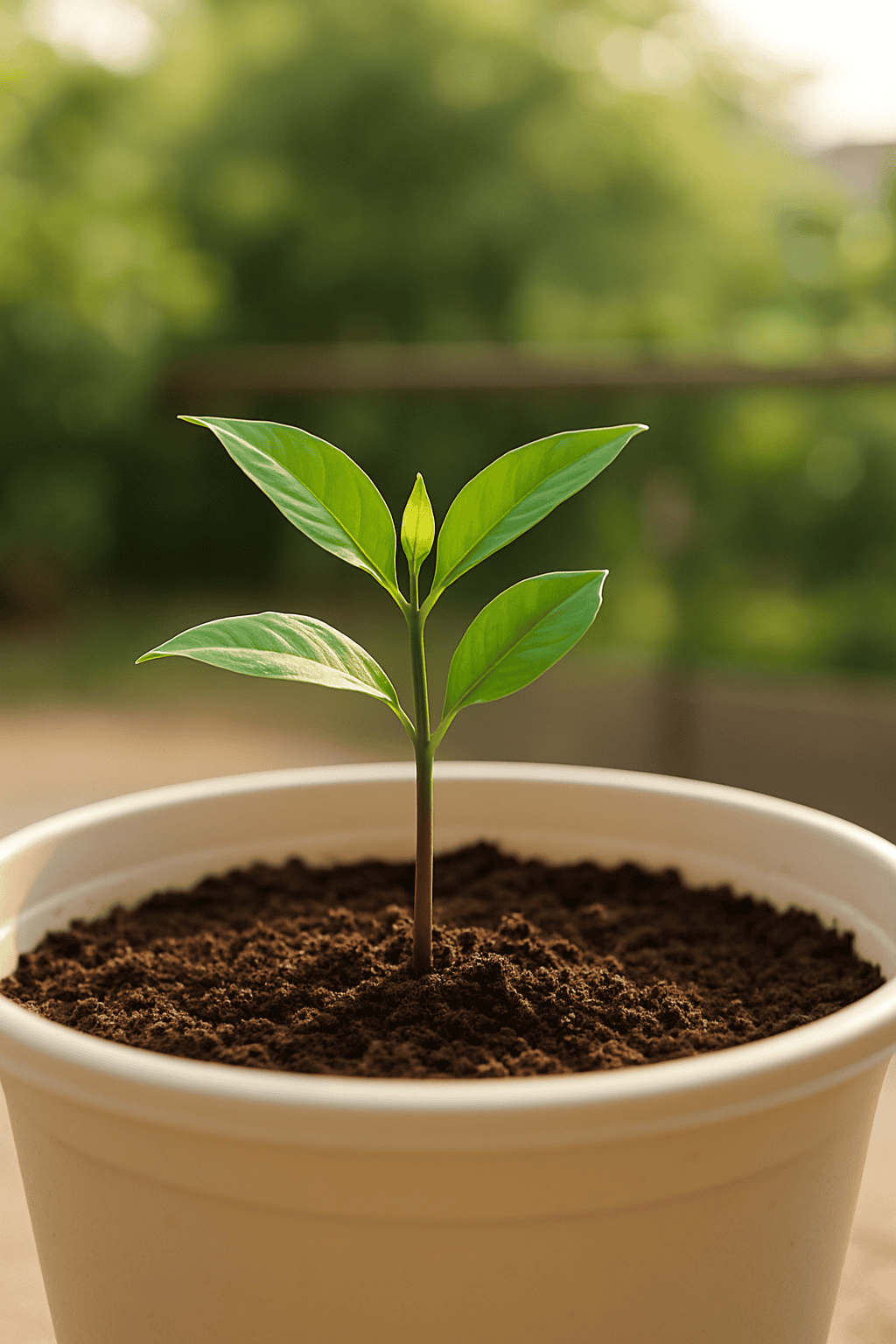
Germination is not quick. It can take anywhere from 2 to 6 weeks for the shoot to appear. During this time, lift the plastic occasionally to check moisture. The soil should never dry out completely.
The Long Game: Care and Maintenance
Once your seedling establishes itself (usually after 6 months), you can remove the humidity dome. Now, the real relationship begins.
Watering:
Clove trees are thirsty but hate “wet feet.” Water regularly—perhaps every 2-3 days in summer—ensuring the excess water flows out the bottom holes immediately. If you are growing indoors during winter, mist the leaves daily. Dry HVAC air causes the leaves to crisp and drop.
Fertilizing:
In their natural habitat, these trees feed on decaying organic matter. For your bucket clove, apply an organic fertilizer (like fish emulsion or well-rotted manure) every two months during the growing season. Avoid heavy chemical fertilizers, which can burn the tender roots.
Pruning:
You aren’t growing a timber tree; you’re growing a bush in a bucket. Don’t be afraid to prune the tip once the plant reaches 3-4 feet tall to encourage side branching. This makes the plant bushier and keeps the eventual harvest within arm’s reach.
Harvesting the Gold
Here is where patience is tested. A clove tree grown from seed can take 7 to 10 years to begin flowering. Yes, a decade. But in the meantime, you have a stunning, glossy-leaved ornamental tree that smells faintly of spice when you rub the leaves.
When the time finally comes, the tree will produce clusters of flower buds.
1. Watch the color: The buds start pale green, turn to a glossy green, and then transition to a blushing pink/red.
2. The Harvest Window: Pick them when they are pink and rounded, before the purple flower petals open. If the flower opens, the spice quality is lost.
3. Drying: Spread the buds on a screen in a warm, dry, shaded area. Over 4-5 days, they will shrink, harden, and turn that signature dark brown color we know from the kitchen.
Clarification: Clove vs. Clover
A brief side note because the names are similar: Do not confuse the Clove tree (Syzygium aromaticum) with Clover (Trifolium).
Clover is the small, three-leaf ground cover often found in lawns (or associated with lucky four-leaf charms). It is a nitrogen-fixing legume. The Clove is a tropical evergreen tree. They are not related in the slightest.
Final Thoughts
Growing cloves in a bucket is not for the gardener who wants instant gratification. It is a horticultural marathon. But there is a profound satisfaction in nurturing a tree that operates on such a slow, deliberate timeline. When you finally crush that first dried bud between your fingers, releasing an aroma that traveled centuries and oceans to reach your kitchen, you’ll understand why it was once worth its weight in gold.
And now, you have the map to grow that gold yourself.
FAQ Section
Q: How much time do cloves take to grow?
A: Clove trees are incredibly slow-growing. From seed, it typically takes 7 to 10 years for the tree to reach maturity and begin producing flower buds. However, it serves as a beautiful ornamental houseplant during those years.
Q: Can I grow a clove tree from a clove found in the supermarket?
A: No. The cloves sold as spices are dried, dead flower buds. They cannot germinate. You must purchase fresh seeds (often called “fruits” or “Mother of Cloves”) from a specialized nursery.
Q: What is the difference between a clover and a clove?
A: They are entirely different plants. Clove (Syzygium aromaticum) is a tropical evergreen tree that produces the aromatic spice. Clover (Trifolium) is a small, herbaceous ground cover often found in lawns and used as fodder for livestock.
Q: How do you grow cloves in pots effectively?
A: The key is drainage and humidity. Use a pot with excellent drainage holes, a soil mix rich in organic matter and perlite, and keep the plant in a warm area (above 65°F). You must bring the pot indoors if temperatures drop below 50°F.
Q: How to grow cloves at home from seeds?
A: Obtain fresh seeds and plant them immediately. Place the seed on the surface of moist, loamy soil (do not bury it deep). Cover the pot with plastic to maintain high humidity and keep it in bright, indirect light until it sprouts.