
How to Grow a Lemon Tree Fast: The Ultimate Home Guide
The Dream of Homegrown Citrus
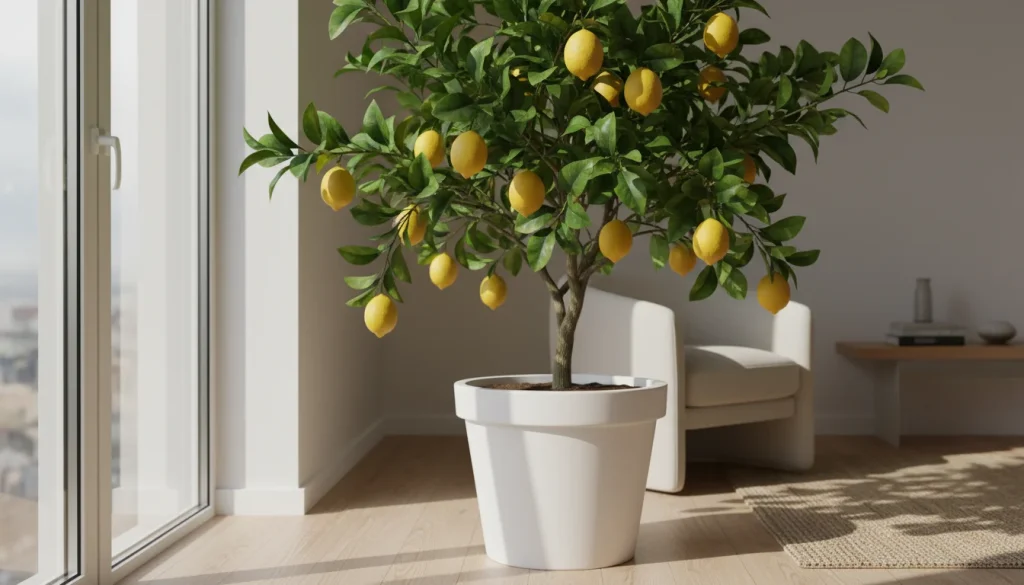
Imagine walking into your living room and smelling the sweet, crisp scent of lemon blossoms. There is nothing quite like it. Growing your own food is a rewarding journey. Growing your own citrus fruit feels like a magic trick. You have likely seen photos of beautiful homes with thriving lemon trees in the corner. You might wonder if you can actually achieve that result. The answer is yes.
Let’s be honest. Gardening can feel complicated. People talk about pH levels and humidity zones and it gets overwhelming fast. We are going to strip all of that away. You do not need a degree in horticulture to grow a lemon tree. You just need to understand what the tree wants. When you give a lemon tree exactly what it needs, it rewards you with fast growth and delicious fruit.
We are going to walk through the essential steps to get your lemon tree thriving. We will cover everything from the soil to the sun. We will also discuss the single most important decision you make before you even plant the tree. This guide is designed to be simple. We want you to succeed.
Save this pin to your Pinterest gardening board to easily find it later

1. Start with a Grafted Tree or Cutting
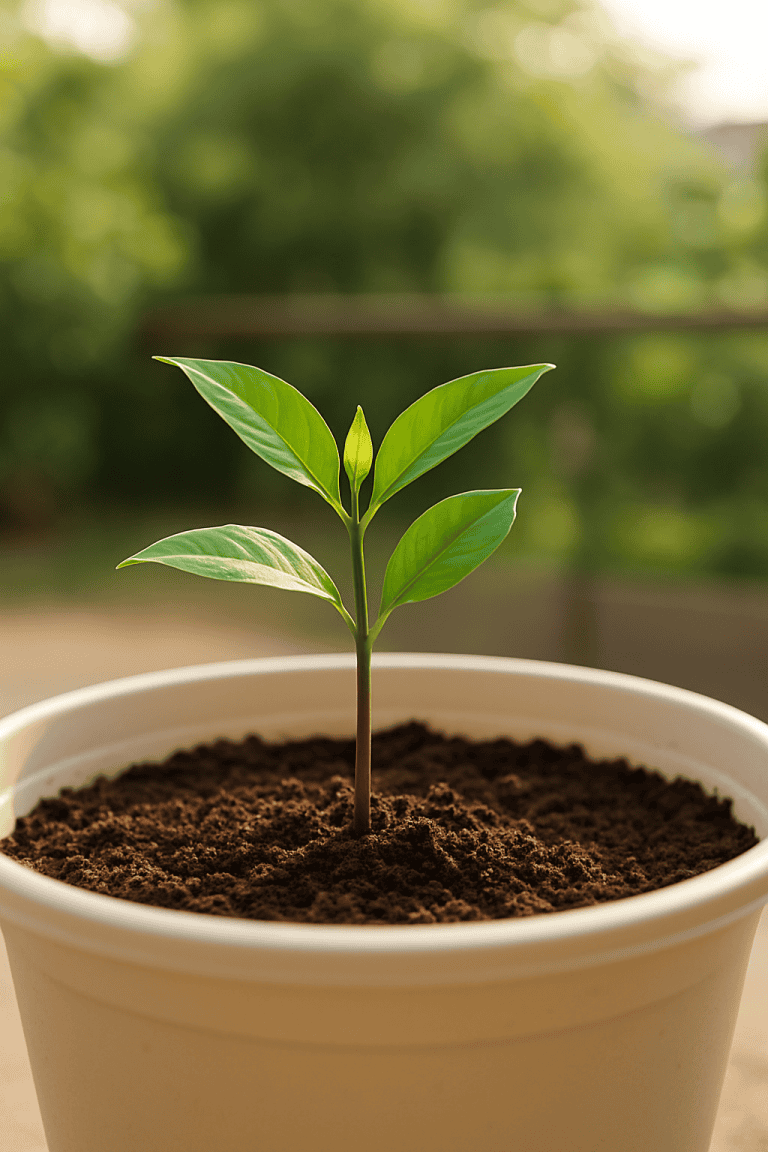
Here is the reality of growing fruit. If you start from a seed, you are signing up for a very long wait. A lemon seed taken from a grocery store fruit is a genetic gamble. It might not grow true to the parent fruit. Even if it does, a tree grown from seed stays in a juvenile stage for a long time. It can take anywhere from three to five years, or even longer, before it produces a single flower.
If you want fruit fast, you must skip the seed stage. You should buy a grafted tree or start with a cutting from a mature tree. A grafted tree is a branch from an adult tree attached to a strong root system. This tree already believes it is an adult. It is ready to fruit almost immediately. You can often get lemons within one or two years. This is the secret to speed. Do not waste years waiting on a seed unless you just want a nice green houseplant.
2. Maximize Your Sunlight Exposure
Lemon trees are solar-powered machines. They crave energy. To produce sugary fruit and glossy leaves, they need massive amounts of light. This is often overlooked, but light is food for plants. Fertilizer is just a vitamin supplement. Light is the main meal. You need to aim for at least 8 to 10 hours of direct sunlight every single day.
If you are growing your tree indoors, you must place it in your brightest window. A south-facing window is usually the best option in the northern hemisphere. If you do not have a window that provides 8 hours of intense sun, you should consider a grow light. Modern LED grow lights are efficient and effective. They can provide the extra boost your tree needs during the darker winter months. Without enough light, your tree will survive, but it will not grow fast. It will become leggy and weak. Give it the sun it demands.
3. Master the Soil Mix
Boring, but essential. Your soil choice dictates the health of your roots. Lemon trees hate having wet feet. If their roots sit in dense, soggy soil, they will rot. Once root rot sets in, it is very hard to save the tree. You cannot use standard heavy garden soil from your backyard. It packs down too tight and suffocates the roots.
You need a well-draining citrus mix. The texture should be light and fluffy. A sandy loam is ideal. You want water to run through the pot quickly. The soil should hold just enough moisture to keep the roots hydrated but never soaking wet. You should also look at the pH level. Citrus trees prefer slightly acidic soil. A pH between 5.5 and 7.0 is the sweet spot. This acidity helps the roots absorb nutrients efficiently. If the pH is too high, the tree cannot eat, no matter how much fertilizer you add.
4. The Smart Watering Technique
Watering is where most people fail. They either water too much or too little. There is a simple rule to follow. You should only water when the top inch of the soil feels dry. Stick your finger into the soil. If it feels damp, wait. If it feels dry, it is time to water.
When you do water, you must water deeply. Pour water until you see it flowing freely out of the drainage holes at the bottom of the pot. This ensures that the water reaches the deep roots at the bottom of the container. Shallow watering only hydrates the top layer of soil. This encourages weak, shallow roots. Deep watering encourages a strong, robust root system. Never leave the pot sitting in a saucer of standing water. Empty the saucer after the pot drains. Standing water leads to root rot. Period.
5. Feed Your Tree Consistently
Lemon trees are heavy feeders. They use a lot of energy to produce those bright yellow fruits. If you do not replenish the nutrients in the soil, the tree will stall. You need to use a fertilizer specifically designed for citrus trees. These fertilizers contain the right balance of Nitrogen, Phosphorus, and Potassium, along with essential micronutrients like Iron and Manganese.
You should feed your tree every four to six weeks during the active growing seasons of spring and summer. In the winter, the tree slows down. You can pause or significantly reduce feeding during the colder months. Follow the instructions on your fertilizer package carefully. More is not always better. Over-fertilizing can burn the roots and damage the tree. Consistency is the key to fast growth.
6. Maintain the Right Temperature
Citrus trees are tropical and subtropical plants. They love warmth. They thrive in temperatures between 60°F and 85°F (15°C to 29°C). They struggle when the temperature drops. Frost is the enemy. Temperatures below 25°F (-4°C) can severely damage or kill a lemon tree.
If you keep your tree outdoors during the summer, you must watch the weather forecast closely in the fall. Bring the tree inside before the first frost hits. When the tree is indoors, keep it away from cold drafts near doors and windows. You should also keep it away from heating vents. Hot, dry air blowing directly on the leaves causes them to dry out and drop. Stability is important. Sudden temperature swings stress the tree and slow down fruit production.
7. Prune for Health and Shape
Pruning might seem scary. You might worry about cutting off the wrong branch. However, strategic pruning is vital for a fast-growing tree. You are directing the tree’s energy. If you leave dead or crossing branches, the tree wastes energy trying to fix them or growing in the wrong direction.
The best time to prune is late winter or early spring. Look for branches that are dead or broken. Remove them first. Then look for branches that cross over each other and rub together. This friction creates wounds where disease can enter. Remove one of the crossing branches. You want to open up the center of the tree. This allows light and air to reach the inner leaves. Good air circulation prevents fungal diseases. A well-pruned tree focuses its energy on producing fruit rather than maintaining useless wood.
8. Be the Bee: Hand Pollination
If your lemon tree lives indoors, it is missing a key partner. Bees. In nature, wind and insects move pollen from flower to flower. This process turns a blossom into a lemon. Indoors, you have to do this job yourself. It is very simple.
Take a small, soft paintbrush or even a cotton swab. Gently swirl it inside one flower to collect the yellow pollen. Then, move to the next flower and swirl it again. You are transferring the pollen between the blooms. Do this daily when the tree is flowering. This significantly increases the number of lemons you will get. Without pollination, the flowers will simply fall off without producing fruit.
9. The Power of Mulch
Mulch is not just for outdoor flower beds. Adding a layer of organic mulch to the top of your pot helps your lemon tree. It acts like a blanket. It keeps the moisture in the soil consistent so you do not have to water as often. It also helps regulate the soil temperature.
You can use straw, bark chips, or even compost. Apply a layer about one or two inches thick. There is one critical rule here. Do not pile the mulch up against the trunk of the tree. This can cause the bark to rot. Leave a small ring of bare soil right around the base of the trunk. This protects the roots while keeping the trunk safe and dry.
10. Vigilant Pest Management
Pests love lemon trees just as much as you do. Spider mites, aphids, and scale insects are common problems. These tiny invaders suck the sap from the leaves. This steals energy from the tree and slows down growth. You need to inspect your tree regularly. Look at the undersides of the leaves.
If you see sticky residue or tiny webs, you have pests. Treat them immediately. You do not need harsh chemicals. Neem oil or insecticidal soap works wonders. These are organic options that kill the pests without harming the tree or your home environment. Wipe down the leaves and spray the treatment according to the bottle directions. Catching pests early keeps your tree healthy and fast-growing.
Conclusion
Growing a lemon tree at home is a journey of patience and care. However, when you follow these proven tips, you speed up the process significantly. It comes down to the basics. Give it light. Give it good soil. Feed it well. Protect it from the cold. When you see that first yellow lemon ripening on the branch, you will know it was all worth it. Start today, and you could be harvesting your own fruit sooner than you think.
Read More
Stop Ruining Your Harvest: The Simple Science of Storing Produce