

Powerful Health Benefits of Neem: The “Village Pharmacy” Backed by Science
Estimated reading time: 6 minutes
The Village Pharmacy: Why Neem is Nature’s Ultimate Healer
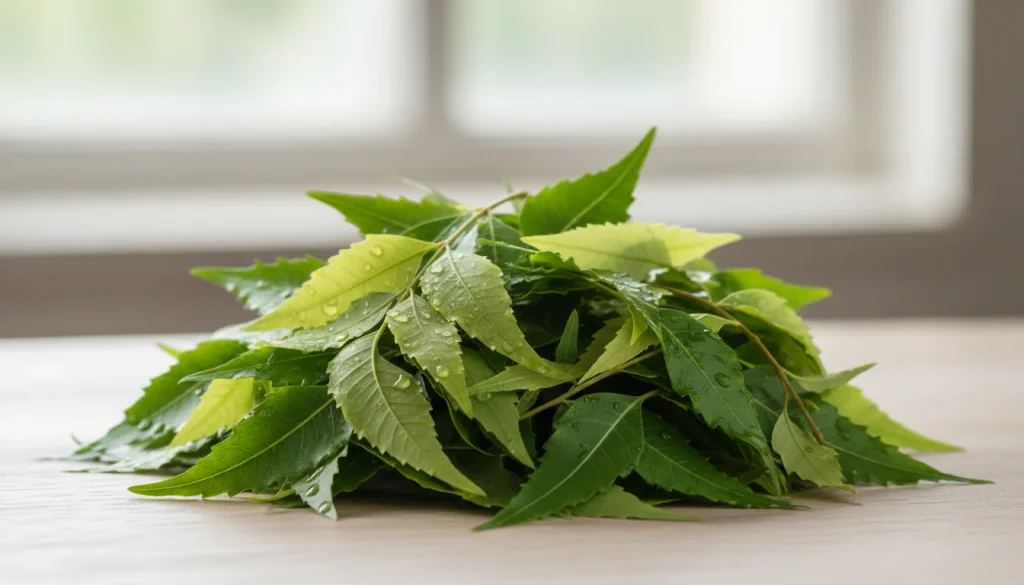
To understand the power of Neem (Azadirachta indica), you have to look beyond the shelves of a modern pharmacy and step into the traditional homes of West Africa and India. Growing up in Ghana, I didn’t need a textbook to learn about this miracle tree. I saw it in my grandmother’s kitchen.
When fever struck, she wouldn’t immediately rush for synthetic pills. Instead, she would gather fresh neem leaves and combine them with dried pawpaw (papaya) leaves in a large clay pot. The distinct, bitter aroma of that boiling concoction is a core memory for me. We drank it, and we bathed in the water. It worked.
Science now validates what my grandmother knew intuitively. According to the National Center for Biotechnology Information (NCBI), neem is a powerhouse of immunomodulatory, anti-inflammatory, and anti-hyperglycemic properties. It is often called the “Village Pharmacy” because every part of the tree—leaves, bark, seeds, and oil—holds medicinal value. If you are looking to optimize your health naturally, neem is the singular most potent herb you can add to your routine.
Which diseases can be managed or cured by neem?
Neem is not a “magic bullet” that replaces emergency medicine, but its pharmacological scope is massive. Based on clinical studies and traditional usage, neem is effective in managing and treating the symptoms of several conditions.
Here are the primary areas where neem excels, covering the 10 medicinal uses of neem often cited in Ayurvedic and African traditional medicine:
- Diabetes Management: Neem leaves improve insulin sensitivity and help lower blood sugar levels naturally.
- Skin Diseases: From eczema and psoriasis to ringworm, neem’s antifungal properties are unmatched.
- Dental Pathology: Neem twigs are natural toothbrushes; they fight gingivitis and plaque buildup.
- Malaria and Fevers: As per my experience in Ghana, neem extracts are toxic to the malaria parasite (Plasmodium falciparum).
- Ulcers: It reduces gastric acid secretion.
- Cardiovascular Issues: It helps remove toxins from the blood and supports circulation.
- Fungal Infections: Candida and athlete’s foot respond well to neem oil.
- Inflammation: It acts similarly to NSAIDs in reducing body pain and swelling.
- Liver Toxicity: It supports the liver’s natural detoxification processes.
- Pest-borne diseases: Used externally, it repels vectors like mosquitoes.
How to use neem for acid reflux and gut health?
Acid reflux and gastrointestinal distress often stem from an imbalance in stomach bacteria or excess acid production. Neem acts as a gastroprotective agent.
For Acid Reflux:
Neem bark extract has been shown to significantly reduce gastric acid secretion and pepsin activity by blocking the proton pump mechanism in the stomach.
- Protocol: Consuming a small amount of neem tea (boiled leaves) in the morning can soothe the inflamed lining of the stomach.
Is neem good for diarrhea?
Yes, but with caveats. Neem is effective against diarrhea caused by bacteria (like E. coli or Salmonella) because of its potent antibacterial properties. However, neem is very cooling and bitter; taking it in excess when you are already dehydrated requires caution.
- Usage: For bacterial diarrhea, a weak tea made from young neem leaves can help kill the pathogen.
What are the benefits of drinking boiled neem leaves water?
Drinking “neem water” (decoction) is the most direct way to introduce its bioactive compounds into your bloodstream.
The Benefits:
- Blood Purification: Neem is a depurative. It cleanses the blood of metabolic waste and toxins, which often manifests as clearer skin and higher energy levels.
- Immune Boosting: Daily consumption increases the production of white blood cells, preparing your body to fight off infection.
- Anti-Carcinogenic Potential: Research suggests bioactive compounds in neem, such as azadirachtin and nimbolide, may induce cell death in cancerous cells and prevent their proliferation [2].
Best time to drink neem water:
The optimal time is first thing in the morning on an empty stomach. This allows for maximum absorption before digestion of other foods interferes.
How does neem improve skin health?
If you look at the ingredients list of high-end organic skincare, you will often find neem.
Benefits of neem leaves for skin:
- Acne Treatment: Neem kills Propionibacterium acnes, the bacteria responsible for breakouts.
- Anti-Aging: Rich in antioxidants and Vitamin E, neem fights free radical damage that causes wrinkles.
- Wound Healing: Applied as a paste, it accelerates the healing of cuts and prevents septic infections.
Benefits of drinking boiled neem leaves water for skin:
While topical application treats the symptom, drinking neem water treats the root cause. By purifying the blood and liver, neem prevents the internal toxicity that leads to chronic skin conditions like cystic acne and eczema.
Safety, Dosage, and Kidney Health: How much neem should you take?
Despite its benefits, neem is potent. More is not always better.
Effect of neem leaves on kidney:
In moderate, controlled doses, neem protects the kidneys (nephroprotective) by reducing oxidative stress. However, extreme overdose or long-term uncycled use can strain the kidneys and liver.
How much neem leaf to take daily:
- Fresh Leaves: Chewing 4 to 5 leaves daily is generally considered safe for healthy adults.
- Neem Water: One cup (250ml) made with a sprig of leaves.
- Capsules: Follow the manufacturer’s dosage, usually one capsule twice daily.
Important Warning: Neem has contraceptive properties. It can prevent implantation and affect sperm motility. Do not consume neem if you are pregnant, trying to conceive, or breastfeeding.
Key Takeaways
- Neem is a full-spectrum healer: It addresses blood sugar, skin issues, gut health, and immunity.
- Traditional roots: Used for centuries in Africa and India (like the pawpaw and neem fever remedy) with high success rates.
- Detoxifier: It is one of the most powerful blood purifiers in nature.
- Dosage matters: Stick to 4-5 leaves daily or one cup of tea. Cycle your usage (e.g., 3 weeks on, 1 week off).
- Consult a doctor: Especially regarding kidney health or if you are on medication for diabetes, as neem can lower blood sugar significantly.
Frequently Asked Questions
Is neem good for diarrhea?
Yes, specifically for diarrhea caused by bacterial infections. Neem’s antibacterial properties eliminate the pathogens causing the stomach upset. However, use small doses to avoid further irritating the stomach lining.
Can I drink neem water every day?
Yes, but it is recommended to “cycle” herbs. Drink it for a few weeks, then take a break for a week. This prevents your body from building a tolerance and ensures safety for your liver and kidneys.
Disclaimer: This information is for educational purposes. Please consult a healthcare provider before trying new herbal remedies. Please read our full disclaimer here.