Spring Porch Decor Ideas for Small Spaces (Budget-Friendly & Easy)
Spring represents a fresh start. It is the season when we shake off the gloom of winter and welcome brightness back into our lives. We often look at magazines or social media feeds and see massive, sprawling verandas covered in expensive furniture. It can feel discouraging if you are working with a small stoop or a compact entryway. Let’s be honest. Most of us do not have unlimited square footage or an endless budget to spend on seasonal decor.
However, a small space does not mean you have to sacrifice style. In fact, limiting your decorating area can actually be a massive advantage. You can focus your budget and attention on a few key details that make a significant impact. You do not need to fill a massive void. You simply need to curate a welcoming vignette. This guide will walk you through the specific steps to transform your small porch into a spring oasis without breaking the bank.
The Foundation: Cleaning and Preparation
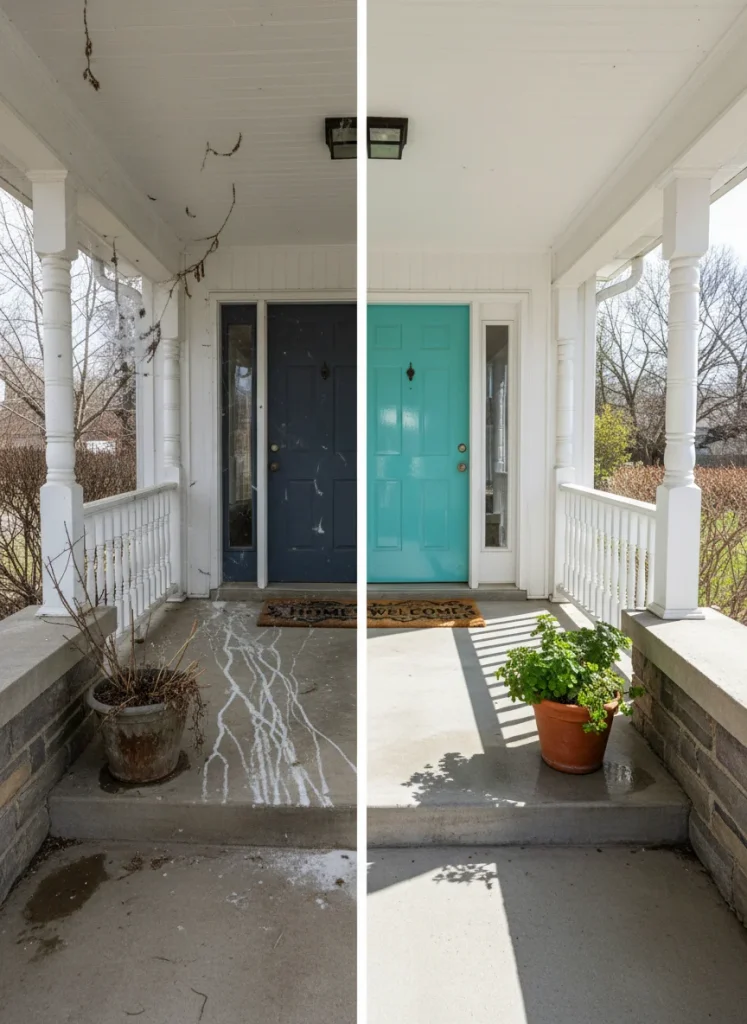
Before you buy a single planter or wreath, you must address the canvas. Boring, but essential. You cannot decorate over dirt and expect high-quality results. Winter leaves behind a layer of grime, salt, and dead leaves that instantly lowers the visual appeal of your home. The first step is a deep clean.
Start by sweeping the ceiling and corners of your porch area to remove cobwebs. Wash down the siding and the front door. If you have a concrete or wood floor, give it a good scrub. This creates a fresh slate. It allows the colors of your new decor to pop rather than blending into a dingy background. This step costs nothing but time. Yet it offers the highest return on investment for your curb appeal.
Defining the Space with Rugs
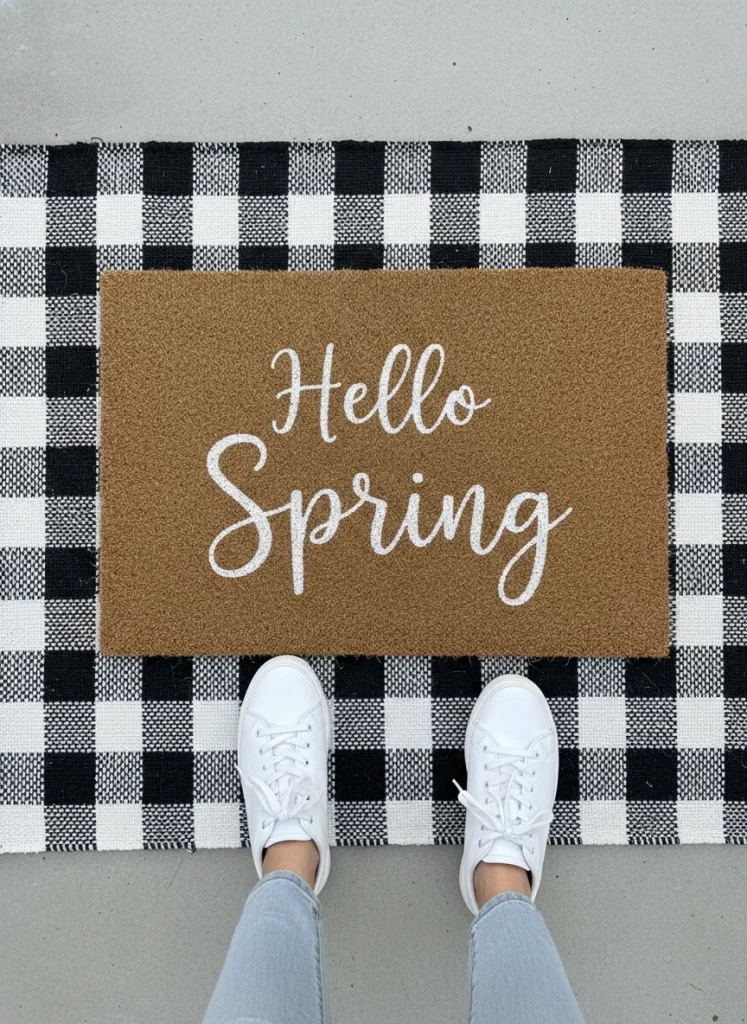
Grounding your space is critical. In a small area, the floor is one of your largest uninterrupted surfaces. You need to use it wisely. Here is the reality of outdoor rugs. One small mat looks lonely and often cheap. It creates a visual island that feels disconnected from the rest of the house. The solution is layering.
Start with a larger, neutral base rug. A simple black and white check, a woven jute, or a neutral stripe works perfectly here. This rug should be large enough to frame your doorway. On top of that base layer, place a standard coir doormat with a fun spring saying or a cute design. This technique adds texture and pattern. It makes the entry feel like a designed room rather than an afterthought. It signals to guests that they are entering a cared-for space before they even step inside.
Vertical Styling and The Front Door
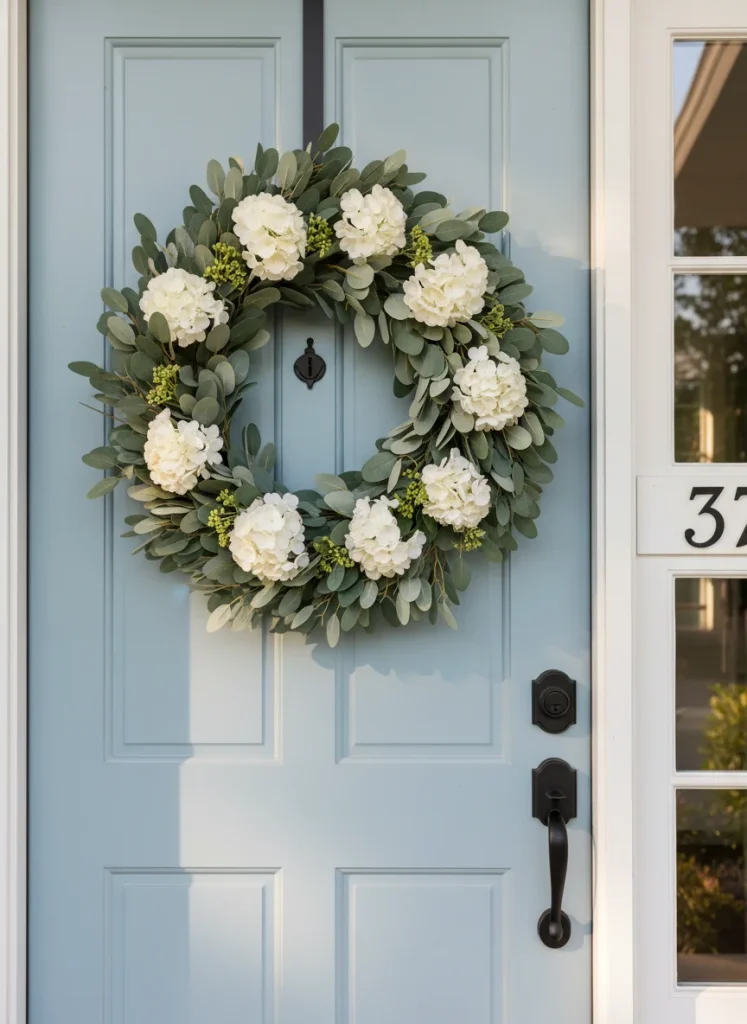
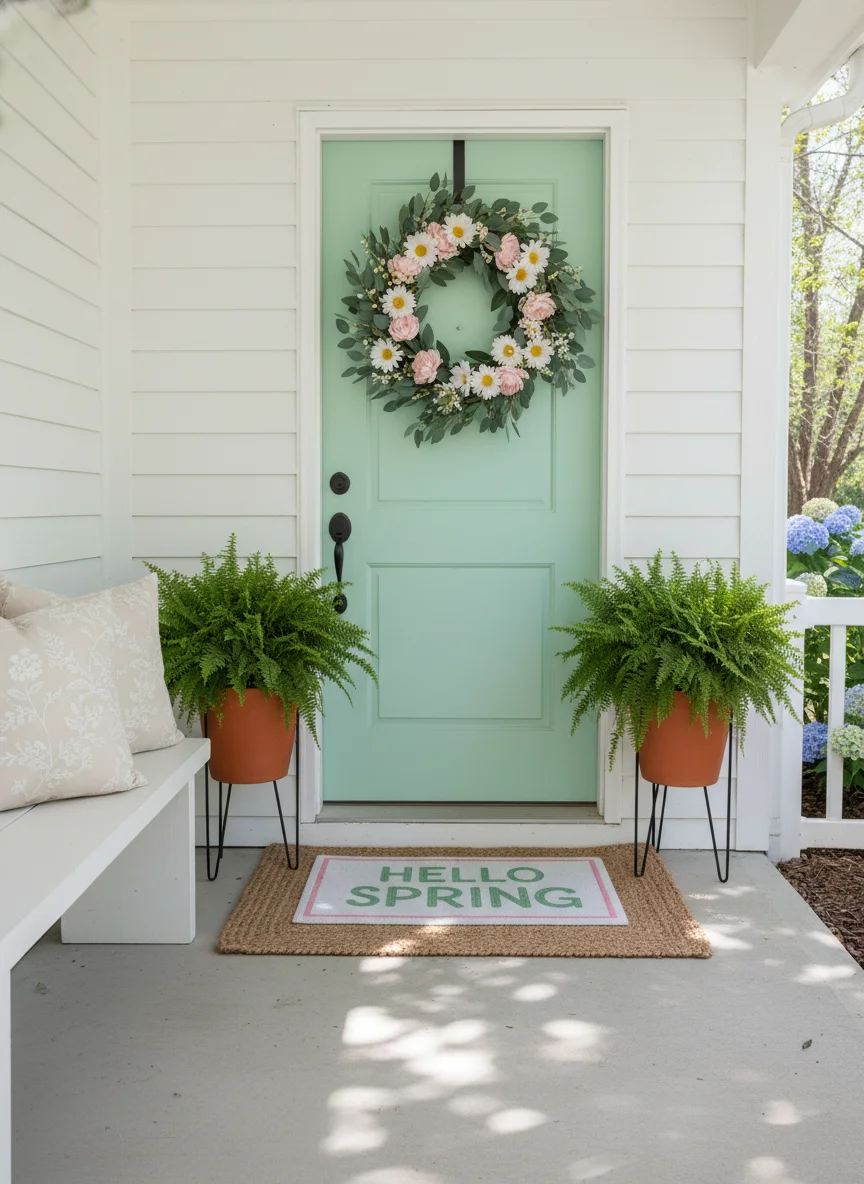
When you do not have floor space, you must look up. Your front door is the focal point of the entire house. It is the bullseye. You need to dress it up. A wreath is the standard choice for a reason. It adds softness to the hard, rectangular lines of the door. For spring, look for wreaths that incorporate greenery and soft florals. Avoid anything too dark or heavy. You want materials that mimic the budding life of the season.
This is often overlooked, but the hardware on your door plays a huge role in the overall aesthetic. If your handle and lockset are rusted or dated, consider spray painting them or replacing them. A crisp black or brushed nickel handle against a freshly cleaned door elevates the look instantly. If you are feeling adventurous, painting the door itself is a weekend project that completely changes the personality of your home. Soft sage greens, pale blues, or even a cheerful yellow can sing during the spring months.
The Power of Greenery
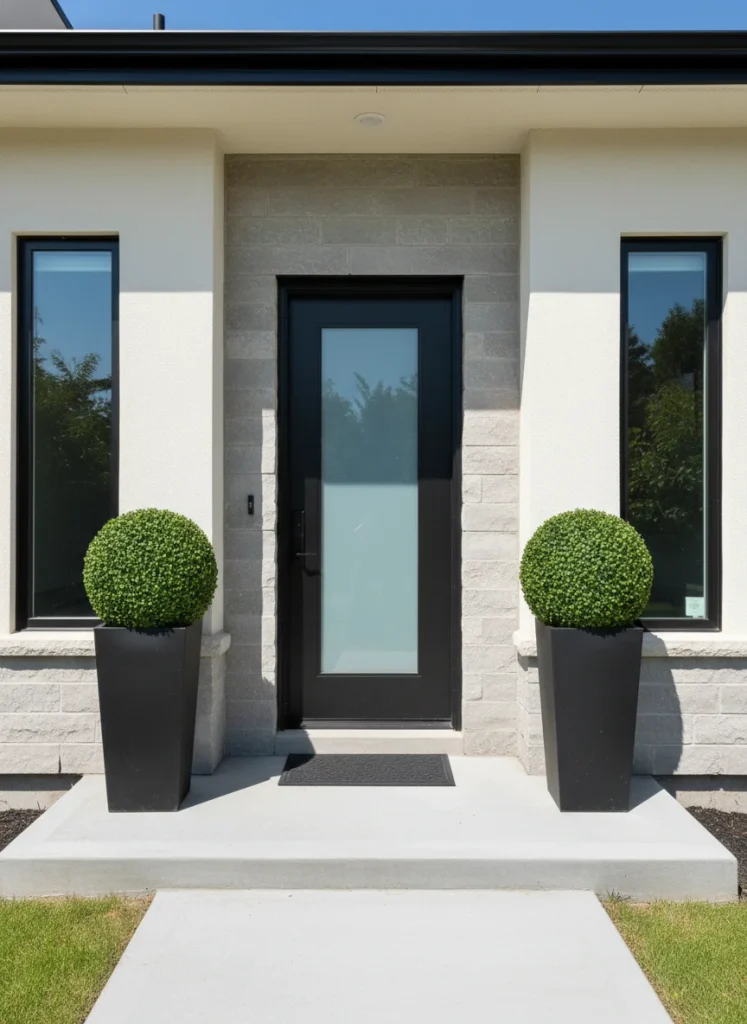
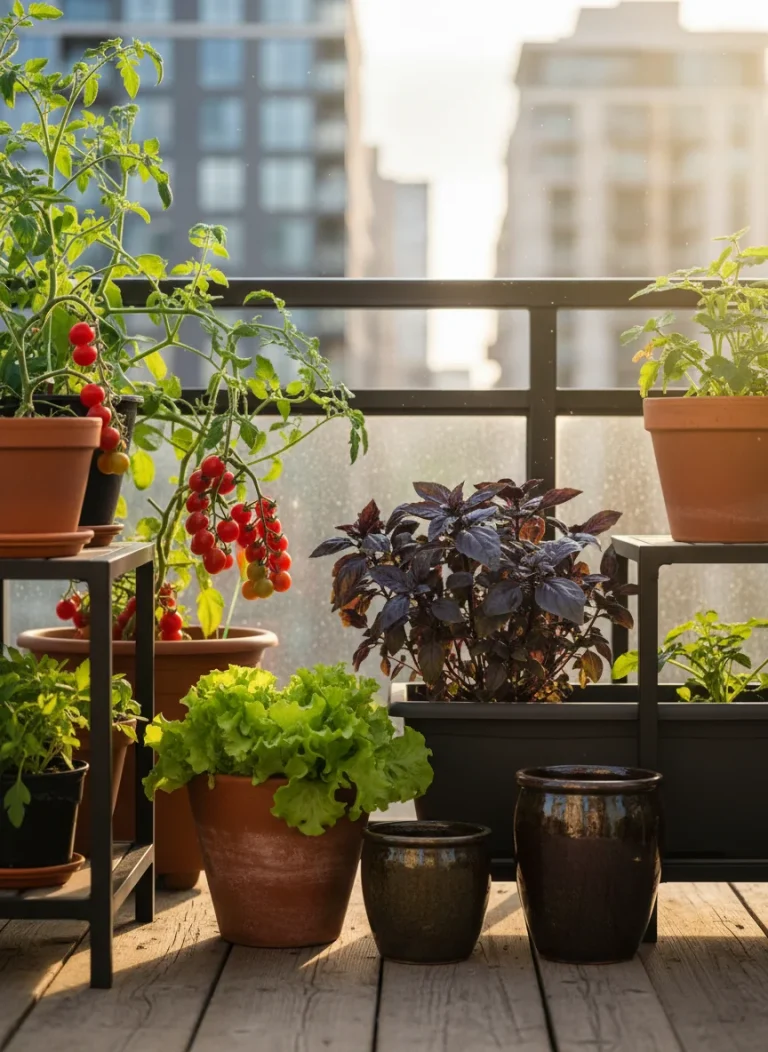
Spring is synonymous with growth. Your porch needs plants. However, the type of plants you choose matters immensely for a small space. You do not want to create a jungle that you have to machete your way through to get the mail. You need height and symmetry.
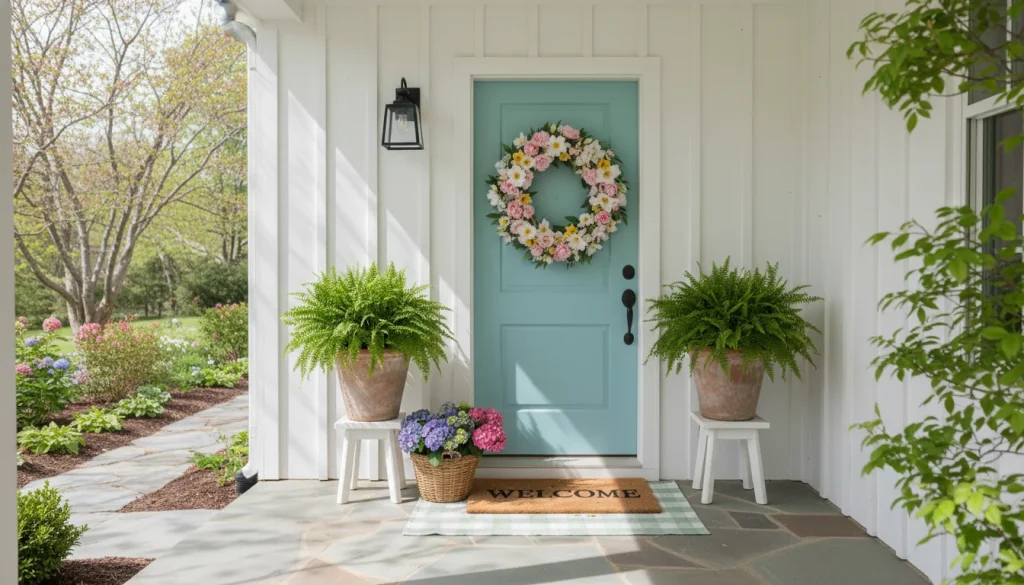
Flanking the door with two tall, slender planters is a classic design trick. It draws the eye upward and frames the entry. This makes the door feel grander. If you do not have the budget for expensive ceramic pots, you can easily paint inexpensive plastic ones. A coat of textured spray paint can make a five-dollar plastic pot look like heavy stone.
Now we must discuss the plants themselves. You have two options. You can go real or you can go faux. High-quality faux plants have come a long way. They are weather-resistant and require zero maintenance. If your porch gets blasted by the sun or sits in deep shade, faux boxwoods or cedar trees might be your best investment. They look good year-round. Period. If you prefer real flowers, stick to a simple color palette. In a small space, a riot of ten different colors looks chaotic. Choose one or two colors, such as white and purple, and repeat them. This repetition creates a sense of calm and order.
Lighting and Ambiance
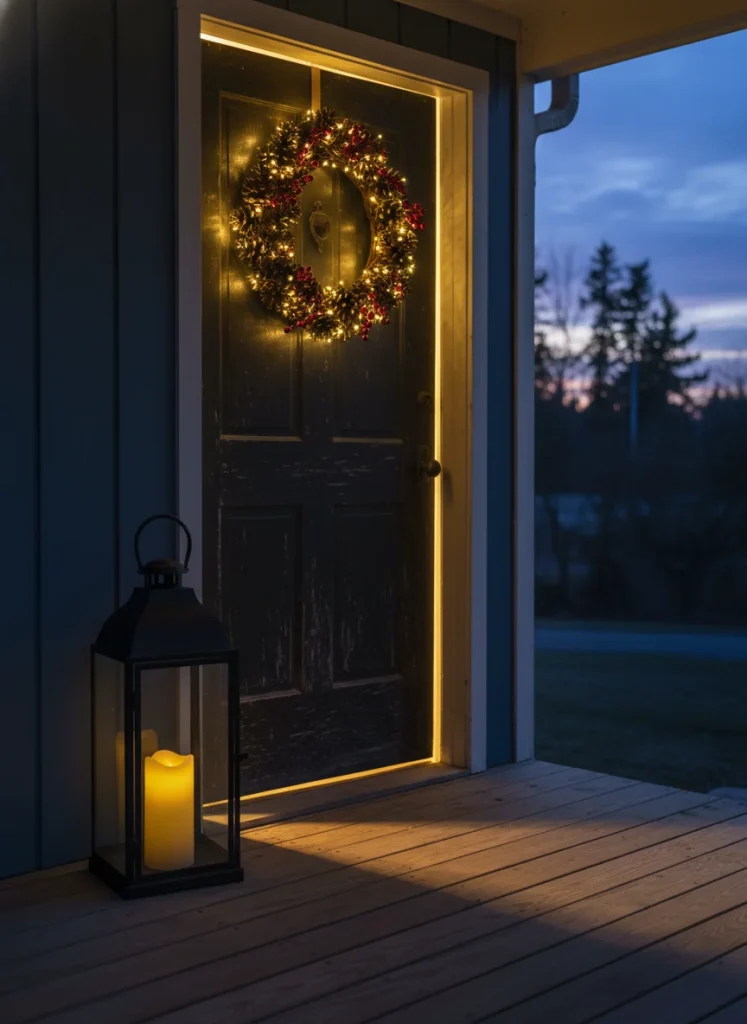
Decor looks different at night. You want your home to feel welcoming after the sun goes down. Lighting is the jewelry of the home exterior. If you have a hardwired light fixture, ensure the glass is clean and the bulb is working. Consider switching to a warm-toned LED bulb. Cool daylight bulbs can feel harsh and clinical in the evening. You want a soft, golden glow.
If you cannot change the hardwired fixture, add supplemental lighting. Lanterns are a fantastic option for small porches. You can place a tall lantern on the ground next to your planters. Fill it with a battery-operated LED candle on a timer. This adds a flickering, cozy element that mimics a living room. It extends the hospitality of your home to the outdoors. It creates depth and shadows that make the small space feel dynamic.
Furniture in Compact Areas
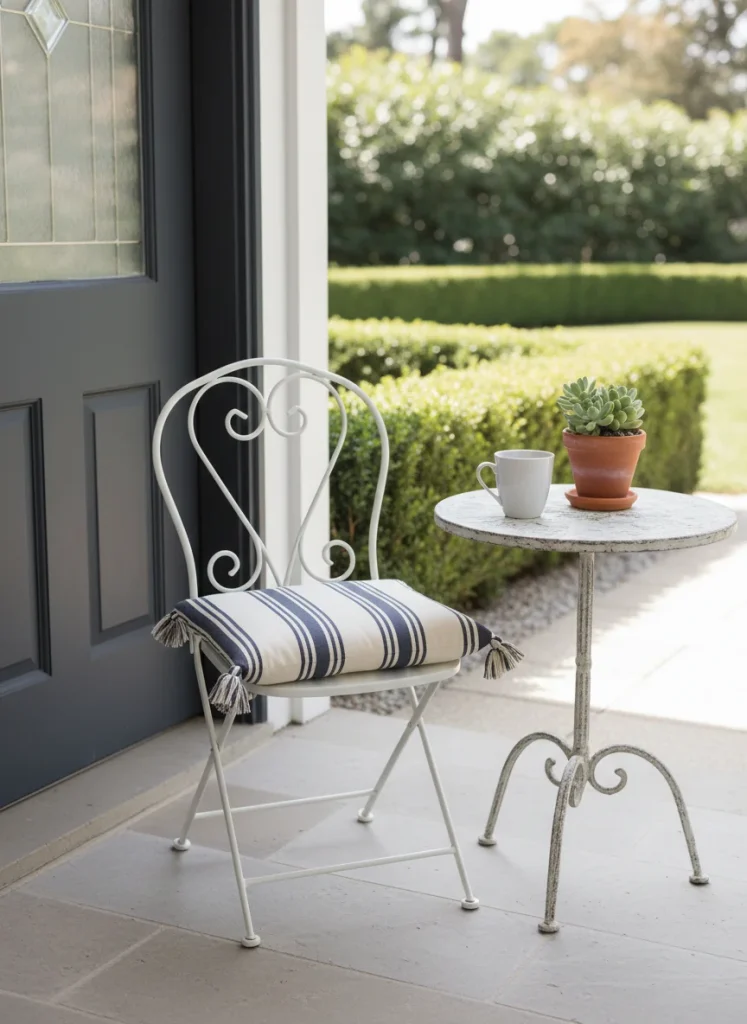
Many people assume they cannot have furniture on a small porch. This is not always true. You just need to understand scale. A giant Adirondack chair will swallow the space. However, a slim bistro chair or a garden stool can fit perfectly. The goal is not necessarily to create a full lounge area. The goal is to suggest the idea of leisure.
Placing a small garden stool next to the door gives you a place to set a package or a cup of coffee. It adds a sculptural element. If you have room for a chair, add a weather-resistant pillow. Choose a fabric that coordinates with your layered rugs. This ties the vertical and horizontal planes together. It brings the softness of the indoors out. It invites the eye to linger.
Budget-Friendly Sourcing
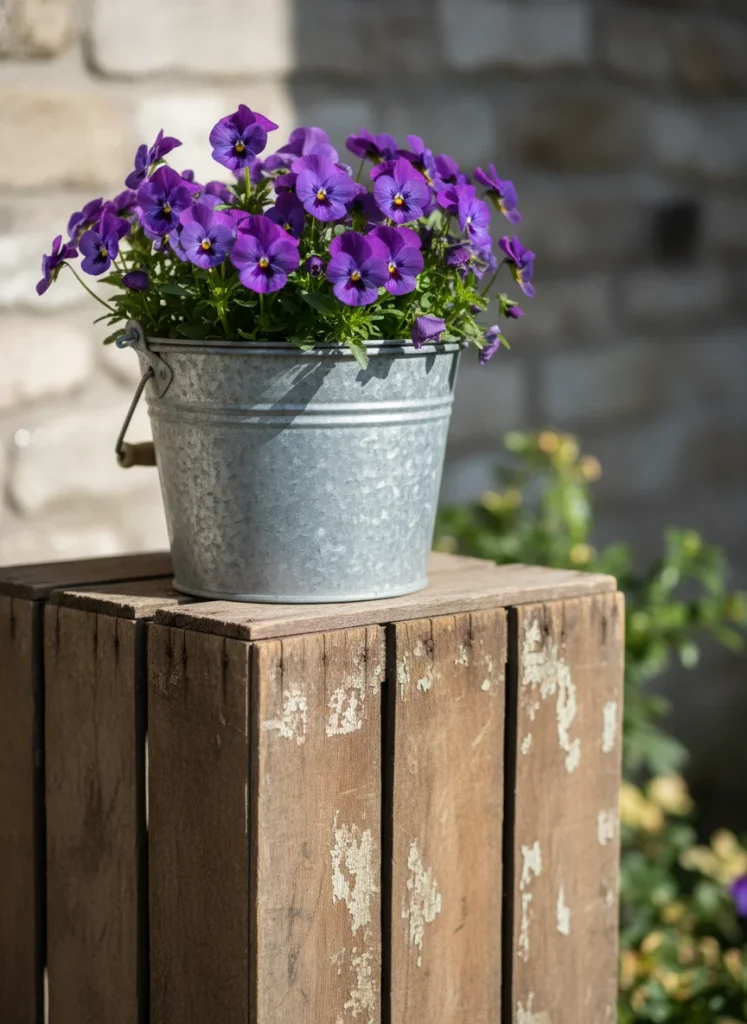
You do not need to shop at high-end boutiques to achieve this look. Thrift stores and yard sales are gold mines for baskets, crates, and unique containers. A vintage metal bucket can become a stunning planter with a few drainage holes drilled into the bottom. An old wooden crate can add height to a display.
Shop your own home first. Do you have a lantern collecting dust in the basement? Do you have a rug that doesn’t quite fit in the bathroom anymore? Repurposing items is the ultimate budget hack. Spray paint is your best friend here. You can unify mismatched items by painting them the same color. A collection of odd pots becomes a cohesive set when they are all painted matte black or white.
Conclusion
Decorating a small porch for spring is about intentionality. It is about clearing away the winter grime and making deliberate choices with color and texture. You are creating a transition zone between the public world and your private sanctuary. By focusing on cleaning, layering rugs, adding vertical greenery, and controlling your color palette, you can make even the tiniest stoop feel grand. It does not require a fortune. It requires a bit of effort and a creative eye. Enjoy the process of welcoming the new season to your doorstep.
Frequently Asked Questions
How do I stop my porch decor from blowing away?
Wind is a major enemy of porch decor. For lightweight items like faux plants or empty pots, weigh them down. Place bricks or heavy rocks in the bottom of planters before adding soil or faux trees. For rugs, use heavy-duty double-sided outdoor tape to secure the corners to the floor. If you have a wreath that bangs against the door, use velcro strips or add a small piece of felt to the back to dampen the sound and friction.
Can I mix real and fake plants?
Absolutely. This is a secret weapon of many designers. Use high-quality faux plants for the structural elements, like tall topiaries or boxwoods. These are the expensive items to replace if they die. Then, use real flowers for the seasonal pops of color in smaller pots. The real flowers distract the eye, making the faux greenery look more realistic by association. It saves money and reduces maintenance.
What are the best colors for a small porch?
Light and bright colors generally make a small space feel larger and more inviting. Whites, creams, and pastels reflect light. However, you need contrast to prevent it from looking washed out. Black accents in hardware, planters, or rug patterns provide necessary definition. A monochromatic scheme, such as various shades of green and white, is very sophisticated and makes a small area feel less cluttered.
How do I store seasonal decor in a small home?
Storage is always a challenge. Choose decor that can transition between seasons. A neutral lantern works in spring, summer, and fall. Boxwood greenery works year-round. When you do buy season-specific items, like a spring wreath, choose ones that are durable. Store wreaths in hard plastic shells to prevent crushing. Nest smaller pots inside larger ones to save shelf space in your garage or closet.
Read Next
5 Clever Spots You Have Probably Never Thought to Put a Plant
25 Vegetable Garden Ideas: Layouts, Designs & Beginner Tips
10 Powerful Medicinal Herbs You Must Grow for a Complete Home Pharmacy