Best Vegetables to Start From Seed in Spring
Disclosure: This article contains affiliate links. As an Amazon Associate we earn from qualifying purchases at no extra cost to you. We only recommend products we would use ourselves.
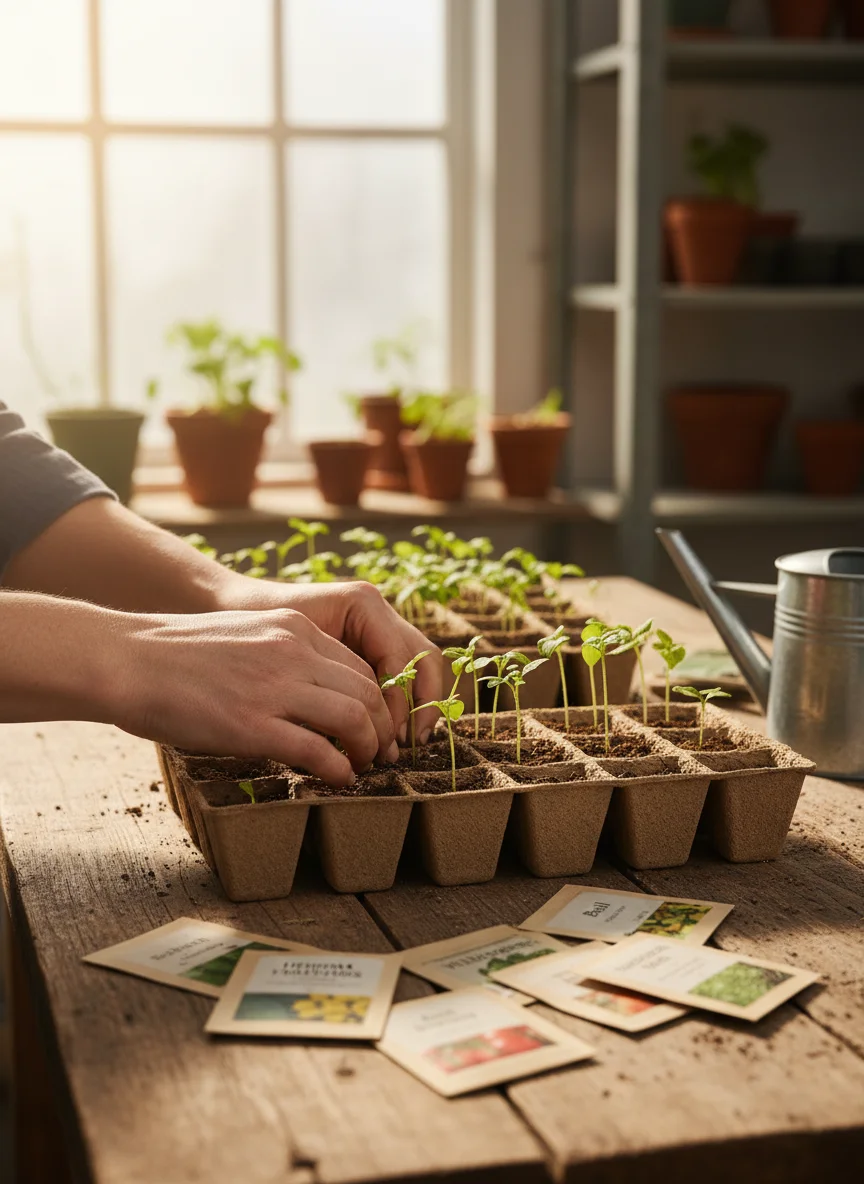
Spring always brings with it an undeniable surge of excitement, a feeling that bursts forth with the first daffodil and the warming soil. For gardeners, this seasonal shift ignites a particular kind of anticipation: the joy of nurturing new life from tiny seeds. Deciding which vegetables to start from seed in spring can feel daunting initially. Many seasoned growers know the satisfaction of watching a plant mature from a minuscule speck into a bountiful harvest, a journey far more rewarding than simply buying pre-grown transplants.
Starting your own seeds offers numerous advantages. You gain access to a far wider variety of cultivars, many of which are unavailable at local nurseries. Heirloom tomatoes, unique pepper varieties, and specific lettuce types become accessible. The cost savings are also substantial. A single packet of seeds, often costing just a few dollars, can produce dozens of plants, whereas buying individual transplants adds up quickly. Plus, there is an unparalleled satisfaction in knowing you grew your food from scratch, witnessing every stage of its development.
Why Start Seeds Indoors: The Benefits of Spring Seed Starting
Beginning your vegetable garden from seed indoors gives your plants a head start on the growing season. This proves especially beneficial in regions with shorter summers or unpredictable spring weather. It protects delicate seedlings from late frosts, harsh winds, and early pest pressure. By the time they are ready to go outside, they are robust and better equipped to handle the outdoor environment.
Starting seeds indoors allows you to control the growing conditions precisely. You manage the light, temperature, and moisture levels, creating an ideal nursery for young plants. This controlled environment promotes strong root development and healthy foliage, giving your plants a robust foundation for future growth. Ultimately, this leads to earlier harvests and more productive plants throughout the season.
The educational aspect of seed starting also holds immense value. You learn about plant life cycles firsthand, understanding the specific needs of each vegetable. This process deepens your connection to nature and provides valuable insights into sustainable gardening practices. It is a fantastic way to engage children in gardening, fostering a love for nature and an understanding of where food comes from.
Getting Started with Spring Seed Sowing: Your Essential Toolkit
You do not need a lot of fancy equipment to begin starting vegetables from seed in spring. A few basic items will set you up for success. I made the mistake of overcomplicating things my first year, buying gadgets I did not truly need. Simplicity often works best.
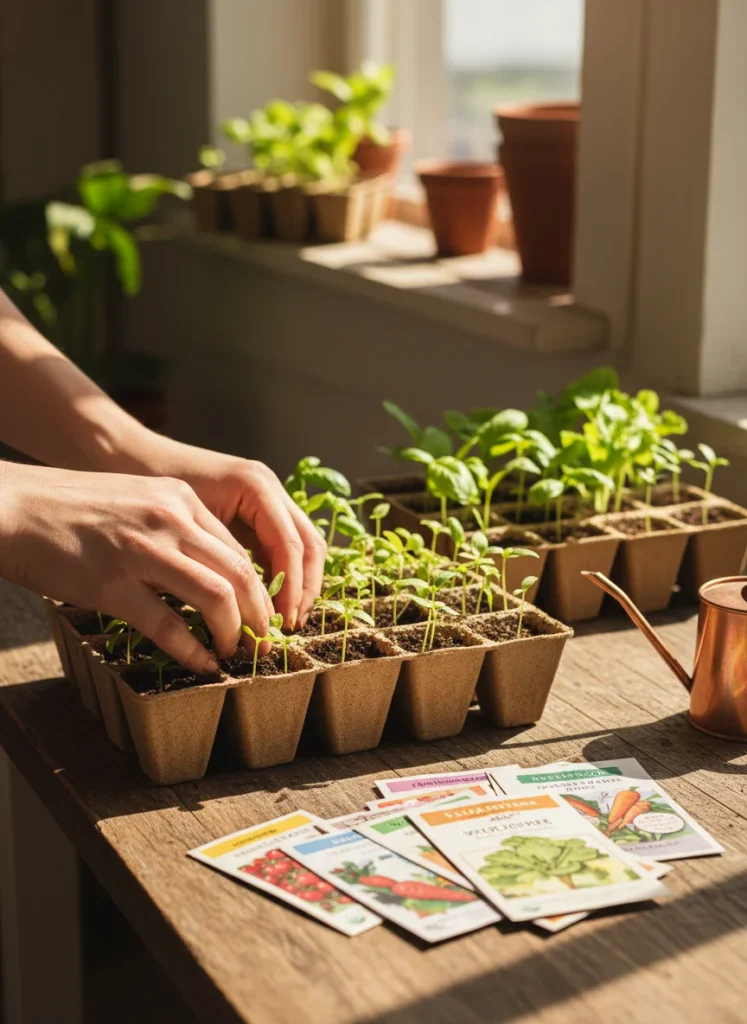
First, you need seed starting trays. These come in various sizes and materials. Look for sturdy plastic trays with drainage holes and a clear dome cover, which helps create a mini-greenhouse effect. I recommend a reliable seed starting tray set for beginners; they often include everything you need. Second, a high-quality seed starting mix is crucial. This specialized medium offers a fine texture, good drainage, and proper aeration, perfect for delicate new roots. It is much lighter and sterile than regular potting soil, preventing disease. I always use a good quality seed starting compost mix, avoiding anything too heavy.
Third, adequate light is paramount. If you have a very bright, south-facing window, that might suffice for some plants. However, most seedlings quickly become leggy and weak without supplemental light. A full spectrum LED grow light makes a huge difference. I learned this the hard way with stretched-out tomato seedlings my first season. A full-spectrum LED grow light positioned just inches above your seedlings will provide the intense light they crave. Lastly, do not forget plant labels and markers. You think you will remember what you planted where, but trust me, you will not. Simple plant labels and markers prevent endless confusion.
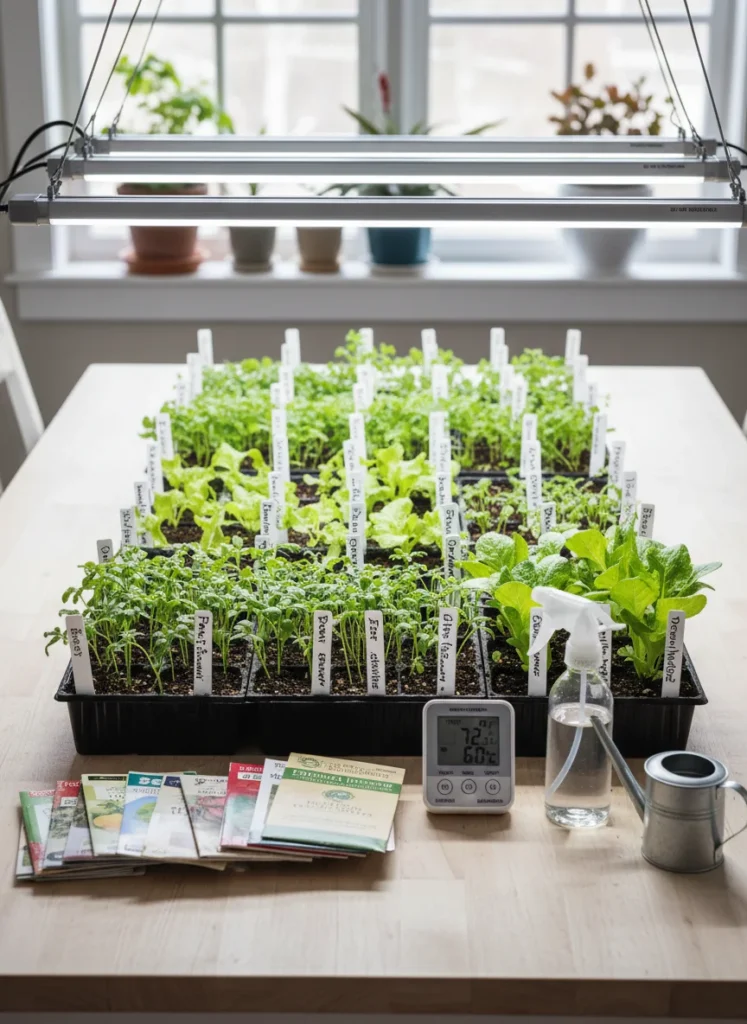
A seedling heat mat can also dramatically improve germination rates for warmth-loving plants like peppers and tomatoes. These mats provide consistent, gentle heat from below, mimicking ideal soil temperatures. I found a seedling heat mat indispensable for getting my peppers to sprout quickly and reliably. Once seeds germinate, you can often remove them from the heat mat, as most seedlings do not require bottom heat for continued growth.
Best Vegetables to Start From Seed in Spring: My Tried-and-True Favorites
Here is a list of my go-to vegetables to start from seed in spring, proven to give great results and offering a fantastic variety for your garden. I have included personal insights gained from my own hits and misses. Each entry provides clear guidance on timing and specific growing tips.
Tomatoes: Starting Seeds in Spring for a Bountiful Harvest
Tomatoes are perhaps the most popular choice for spring seed starting, and for good reason. They love a long, warm growing season, so giving them an early start indoors is essential. I always recommend starting tomato seeds indoors 6 to 8 weeks before your last anticipated frost date. This timing ensures strong, established plants by the time the weather reliably warms.
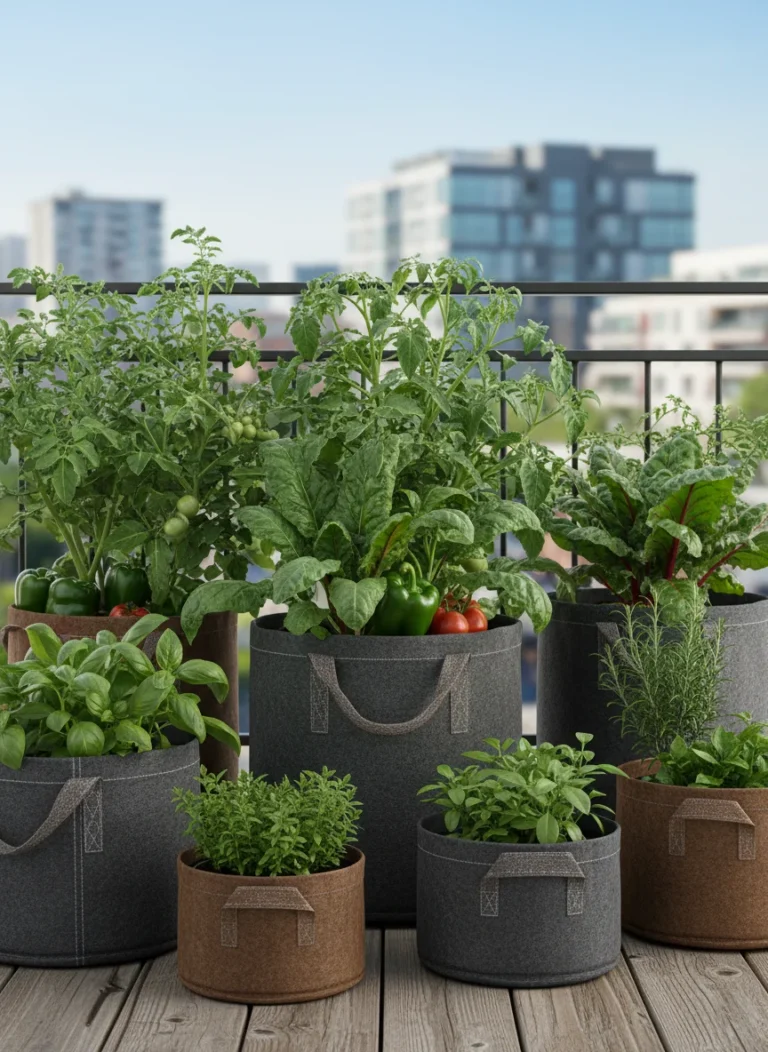
Tomato seeds typically germinate within 5 to 10 days when kept consistently warm, ideally between 70-80°F (21-27°C). Use a heat mat for best results. Sow seeds about 1/4 inch deep. Once they develop their first set of true leaves, transplant them into larger pots to prevent them from becoming root-bound. Tomatoes are excellent for container gardening; many determinate varieties thrive in pots on patios or balconies. For specific advice on container sizes, you might find what size grow bag for tomatoes a useful resource. Look for bush or dwarf varieties if your space is limited. Ensure they receive plenty of light and consistent watering.
Peppers: Heat-Loving Vegetables to Start from Seed in Spring
Peppers, both sweet and hot, are another excellent candidate for indoor seed starting. They require an even longer growing season than tomatoes and appreciate warmth throughout their early development. Start pepper seeds indoors 8 to 10 weeks before your last frost date. This extended indoor period allows them to develop substantial root systems before transplanting.
Pepper seeds can be a bit slower to germinate than tomatoes, often taking 7 to 14 days, sometimes longer, especially if conditions are not ideal. Consistent warmth, around 75-85°F (24-29°C), is crucial for good germination rates. I always use a heat mat for my peppers. Sow seeds 1/4 inch deep. After germination, provide strong light to prevent leggy growth. Peppers also perform very well in containers. If you are growing them in pots, consider reading about how to grow peppers in containers for detailed tips.
Cucumbers: Quick Growers for Spring Seed Starting
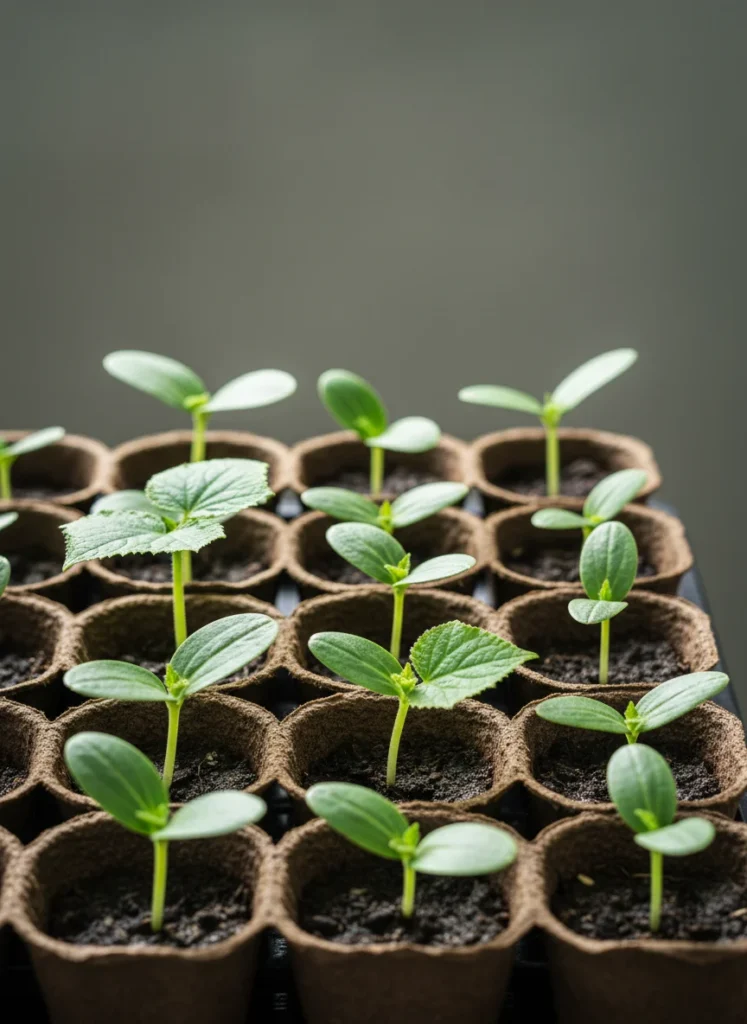
Cucumbers grow quickly and vigorously once they get going, so timing their indoor start is important. Avoid starting them too early, as they can outgrow their pots rapidly and suffer transplant shock. I aim to start cucumber seeds indoors 3 to 4 weeks before the last frost date. This gives them just enough time to establish without becoming unwieldy.
Cucumber seeds germinate quite fast, usually within 3 to 10 days, provided the soil temperature is around 65-75°F (18-24°C). Sow seeds about 1/2 inch deep. Plant 2-3 seeds per cell and thin to the strongest seedling once they emerge. Cucumbers are perfect for container growing, especially bush varieties or those trained on a trellis. They produce abundant fruit even in smaller spaces. Check out this guide on how to grow cucumbers in pots if you are gardening on a balcony or patio.
Courgettes (Zucchini): Easy Vegetables to Start From Seed in Spring
Like cucumbers, courgettes or zucchini are robust and fast-growing plants. They do not require a very long indoor head start. Begin courgette seeds indoors 2 to 3 weeks before your last frost date. Starting them much earlier will result in oversized, stressed plants that struggle when moved outdoors. Their large leaves and rapid growth can quickly dominate a seed tray.
Courgette seeds germinate quickly, typically within 4 to 10 days, at temperatures between 65-75°F (18-24°C). Plant seeds 1/2 inch deep. These plants are prolific producers, even from a single plant. They can be grown in large containers or grow bags, but ensure you select a bush variety if space is limited. Give them ample room to spread their leaves, as they become quite large plants.
Lettuce: Cool-Season Spring Seed Starting
Lettuce is a fantastic, fast-growing option for early spring planting. You can sow lettuce seeds directly outdoors, but starting them indoors gives you a jump on the season, especially for delicate varieties. Start lettuce seeds indoors 4 to 6 weeks before your last frost date, or even earlier for an extra early crop. They prefer cooler temperatures for germination and growth.
Lettuce seeds germinate quickly, often in 7 to 14 days, especially when soil temperatures are cool, ideally 55-65°F (13-18°C). Avoid very warm temperatures, as this can inhibit germination. Sow seeds very shallowly, barely covering them with a thin layer of soil, or even just pressing them onto the surface. Lettuce is ideal for succession planting and container gardening. Many varieties thrive in pots, making them perfect for balconies or small spaces. You can harvest outer leaves continuously, ensuring a fresh supply.
Kale: Hardy Greens to Start From Seed in Spring
Kale, a nutrient-dense leafy green, is incredibly hardy and tolerates cooler temperatures. You can start kale seeds indoors 4 to 6 weeks before your last frost date for an early spring harvest. This provides a strong plant that can withstand late spring chills once transplanted. It also performs well as a fall crop, planted later in the season.
Kale seeds usually germinate within 7 to 10 days at temperatures around 60-75°F (16-24°C). Sow seeds 1/4 to 1/2 inch deep. Once the seedlings have their first true leaves, thin them to prevent overcrowding. Kale thrives in containers, especially larger pots or grow bags. Like lettuce, you can harvest the outer leaves, allowing the plant to continue producing. This makes it a highly productive option for small space gardens.
Basil: Aromatic Herbs from Spring Seed Starting
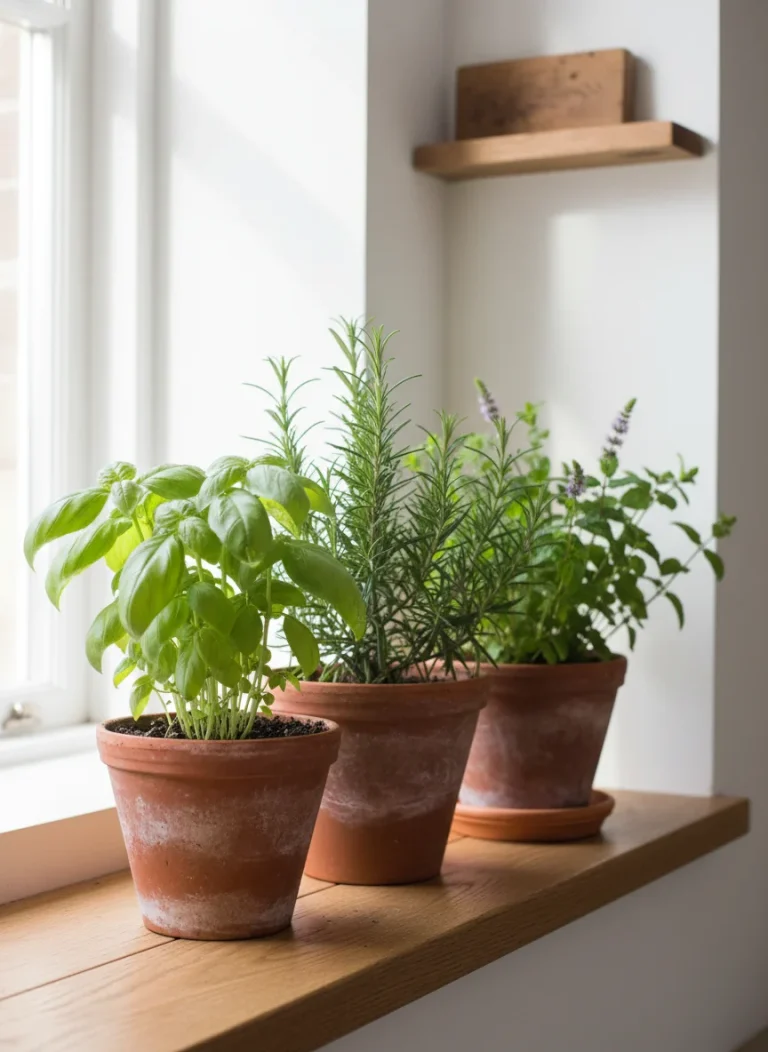
Basil, a quintessential culinary herb, loves warmth and requires an indoor head start in most climates. I recommend starting basil seeds indoors 6 to 8 weeks before your last frost date. This ensures strong, bushy plants ready to produce aromatic leaves by early summer. Do not rush them outside; basil hates cold temperatures.
Basil seeds germinate fairly quickly, usually within 5 to 10 days, when kept warm, ideally 70-80°F (21-27°C). Using a heat mat is beneficial for consistent germination. Sow seeds about 1/4 inch deep. Once seedlings emerge, provide plenty of light to prevent stretching. Basil is exceptionally well-suited for container growing. It thrives in pots on sunny windowsills, patios, or even indoors year-round. Regular harvesting of the top leaves encourages bushier growth and prevents premature flowering.
Beetroot: Root Vegetables to Start from Seed in Spring
Beetroot, often called beets, offers both delicious roots and nutritious greens. While you can direct sow beets, starting them indoors gives them a leg up, particularly if your spring soil is slow to warm. Start beetroot seeds indoors 3 to 4 weeks before your last frost date. This timing helps them establish well without becoming too large before transplanting.
Beetroot seeds, which are actually seed clusters, typically germinate within 5 to 10 days at soil temperatures between 50-75°F (10-24°C). Sow seeds about 1/2 inch deep. Because each “seed” is a cluster of several seeds, multiple seedlings often emerge from a single planting spot. Thin these vigorously to the strongest seedling to prevent overcrowding and ensure good root development. Beetroot adapts well to container growing, especially shallower varieties, as long as the pot is wide enough to accommodate the expanding roots. Ensure adequate drainage in your chosen container.
Bark Secret Tips for Successful Spring Seed Starting
My journey into seed starting has been a mix of triumphs and valuable lessons. I want to share some hard-won advice to help you avoid common pitfalls. Learning from my mistakes will save you time and frustration.
Avoid Starting Seeds Too Early
The most common mistake, and one I made repeatedly, is starting seeds too early. You get excited, the seed catalogs arrive, and before you know it, you have tiny seedlings struggling for light in February. Starting too early results in leggy, overgrown, and root-bound plants that suffer transplant shock once moved outdoors. Always check your last frost date and count backward precisely according to the seed packet recommendations. Patience is a virtue in seed starting.
Label Everything Immediately
I cannot stress this enough: label every single tray and pot as soon as you plant the seeds. In the beginning, I thought, “Oh, I’ll remember that the row on the left is tomatoes.” Days later, with similar-looking sprouts emerging, all memory vanished. You will inevitably mix up varieties, especially similar-looking seedlings like kale and lettuce. Use sturdy, waterproof labels and a permanent marker. This simple step prevents endless confusion later on.
Perfect Your Watering Technique
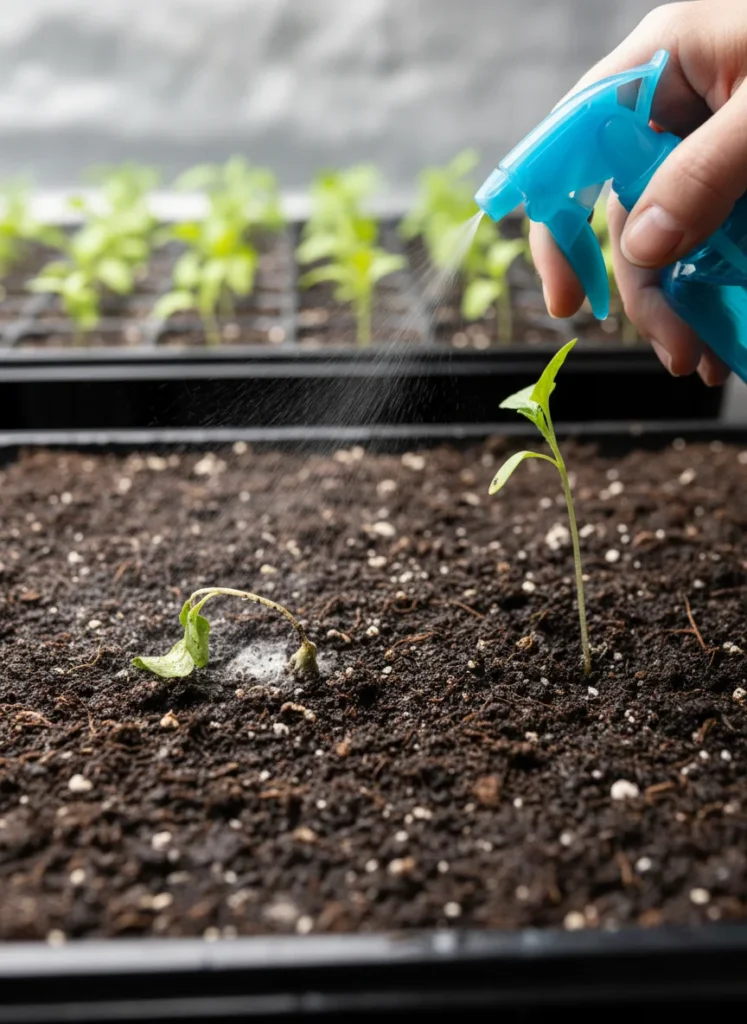
Overwatering kills more seedlings than anything else. Young seedlings are highly susceptible to “damping off,” a fungal disease that causes them to suddenly rot at the soil line and collapse. Water from the bottom whenever possible by placing your seed trays in a larger tray filled with an inch or two of water. Let them soak for 15-20 minutes until the top of the soil looks moist, then remove them and let them drain. This encourages strong root growth downwards and keeps the surface of the soil drier, deterring fungal growth. Also, use room-temperature water.
Provide Ample Airflow
Good air circulation is vital for preventing fungal diseases and promoting strong, stocky seedlings. Once seeds germinate and you remove the humidity dome, ensure your seedlings have access to moving air. A small oscillating fan set on a low setting, not directly blowing on the seedlings but gently circulating air in the room, works wonders. This also helps strengthen the stems, preparing them for outdoor conditions.
FAQ: Common Concerns When Starting Vegetables from Seed in Spring
Do I need a grow light to start seeds indoors?
While some sunny windowsills might provide enough light for a few hours a day, most vegetables to start from seed in spring benefit significantly from a grow light. Without supplemental light, seedlings tend to become “leggy,” meaning they stretch out, have thin stems, and weak growth as they search for light. A full spectrum LED grow light ensures compact, healthy plants.
What is the difference between seed starting mix and potting mix?
Seed starting mix is specifically formulated for germinating seeds and supporting very young seedlings. It is much finer, lighter, and typically sterile, which helps prevent diseases like damping off. Potting mix, on the other hand, is coarser, contains more nutrients, and can be too heavy for tiny roots and holds too much moisture for delicate new growth. Always use a dedicated seed starting mix for best results. For more on soil, you might explore best soil for container vegetables.
How do I know when to transplant seedlings outdoors?
You should transplant seedlings outdoors after all danger of frost has passed in your area. Additionally, your seedlings need to undergo a “hardening off” process. This involves gradually exposing them to outdoor conditions over 7-10 days, starting with a few hours in a sheltered, shady spot and slowly increasing their time outdoors and exposure to sun and wind. This acclimates them to the harsher outdoor environment, reducing transplant shock. Look for strong, healthy green leaves and well-developed root systems.
Why are my seedlings leggy and falling over?
Leggy seedlings, characterized by long, thin, weak stems, usually indicate a lack of sufficient light. They are stretching to find a light source. To fix this, move your grow light closer to the seedlings, typically 2-4 inches above the plant tops for LEDs. You might also need a stronger grow light or a longer duration of light exposure, usually 12-16 hours per day. Insufficient light and lack of airflow can also contribute to weak stems that fall over.
Conclusion
Embarking on the journey of starting vegetables to start from seed in spring is one of the most rewarding aspects of gardening. From the initial thrill of seeing that first sprout emerge to the satisfaction of harvesting your own homegrown produce, the experience deeply connects you to your food and the natural world. Yes, there will be learning curves, and some seedlings may not make it. That is all part of the process. Every gardener, myself included, has faced challenges and learned from them.
Do not let the fear of making a mistake prevent you from experiencing this incredible joy. Equip yourself with a few basic supplies, choose some of the easy-to-grow vegetables we discussed, and dive in. The vibrant energy of spring calls to us all, offering a fresh start and endless possibilities. This season, take the leap and witness the magic of growing your own vegetables from seed. Your taste buds and your soul will thank you for it.