Why Are My Pepper Leaves Curling? (And How to Fix It)
Disclosure: This article contains affiliate links. As an Amazon Associate, we earn from qualifying purchases at no extra cost to you. We only recommend products we would use ourselves.
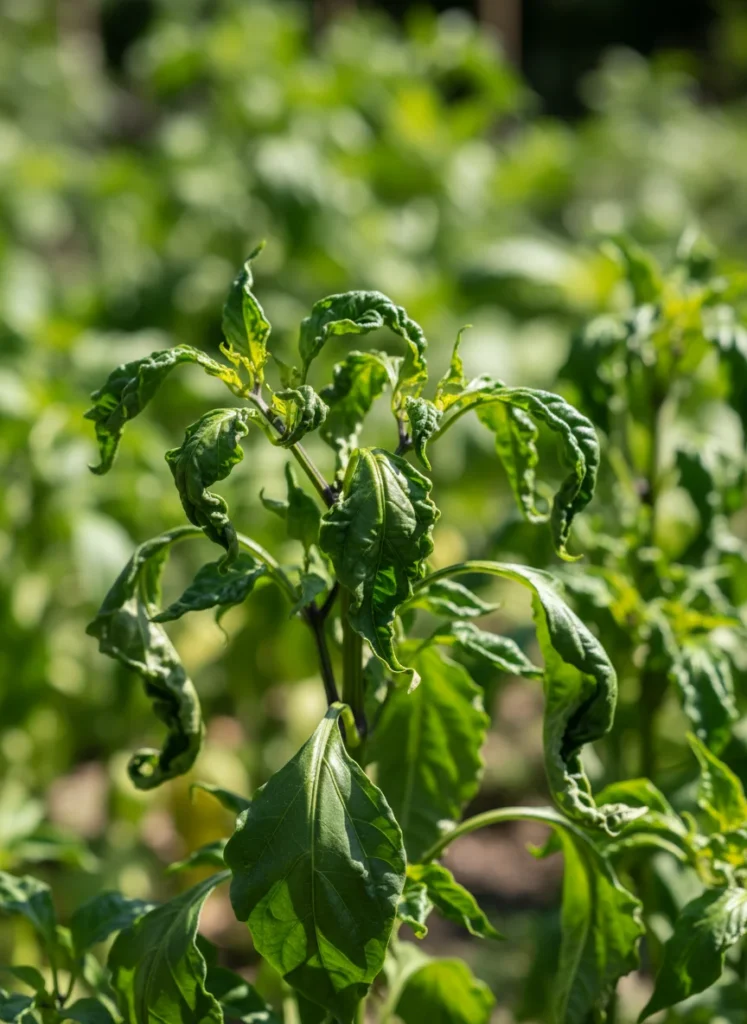
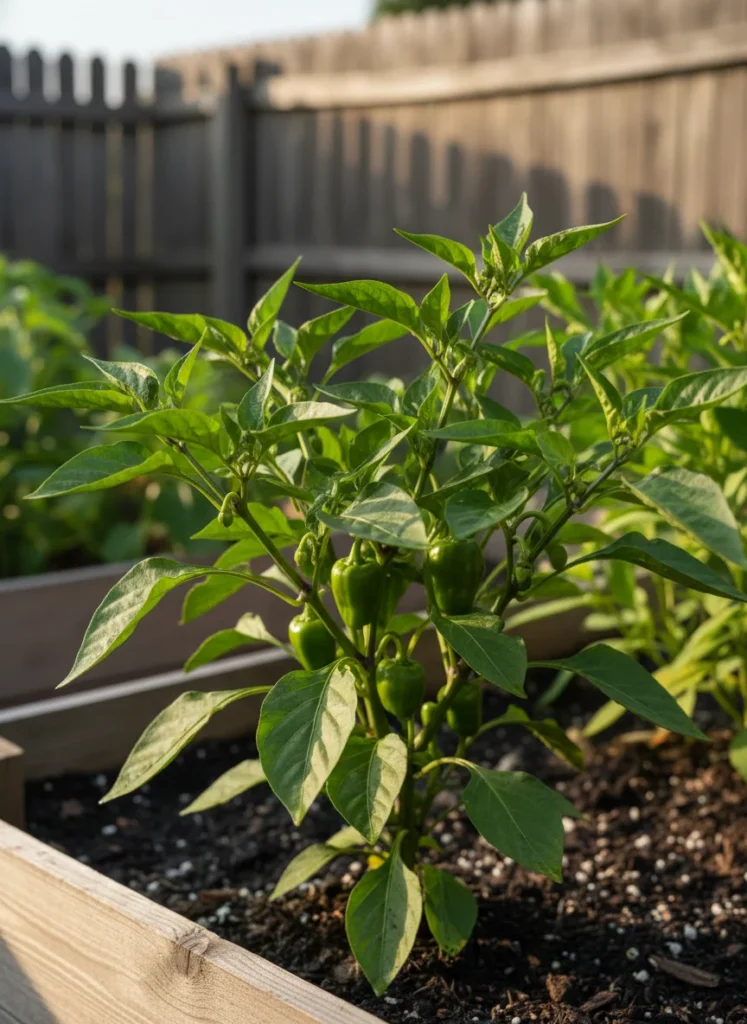
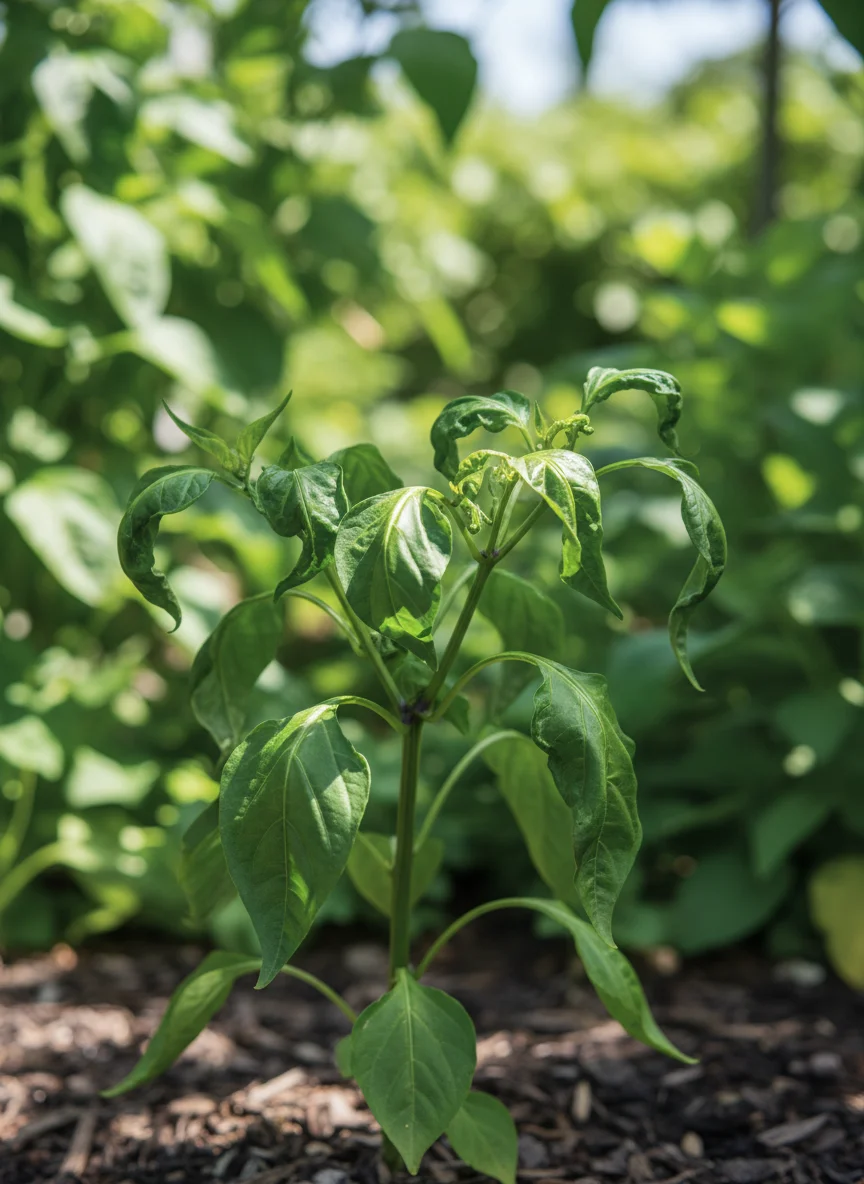
You walk out to check on your peppers and something looks off. The leaves are curling. Some are folding upward like a taco shell. Others are cupping downward at the edges. The plant looked fine two days ago and now it looks like it is struggling to tell you something.
It is telling you something. Pepper leaves curl for a reason, and the good news is that most causes are fixable once you know what you are actually dealing with.
This guide walks you through every common cause of pepper leaf curl, how to tell them apart, and exactly what to do about each one. If you grow peppers in containers specifically, our full guide on how to grow peppers in containers covers the broader care picture in detail.
Why Pepper Leaves Curl in the First Place
Pepper plants communicate stress through their leaves before almost any other visible symptom appears. Curling is a defense response. When conditions become unfavorable, whether from too much heat, too little water, pest feeding, or a nutrient problem, the plant physically changes the shape of its leaves to protect itself.
The direction and pattern of the curl gives you the first clue about what is wrong. Upward curling usually points to heat stress or pest damage. Downward curling tends to indicate water stress or overfeeding. Curling that appears on new growth only often signals a pest or viral issue. Curling across the whole plant at once usually means an environmental cause like heat or drought.
Use these patterns as your starting point, then read the sections below to confirm your diagnosis before reaching for any product.
Cause 1: Pests Feeding on the Leaves
Pests are the most common cause of pepper leaf curl. Aphids, spider mites, thrips, and whiteflies all feed by piercing leaf tissue and sucking sap. That feeding disrupts the leaf’s internal structure, causing it to curl, pucker, or distort as the tissue around the feeding site develops abnormally.
How to Identify Pest Damage
Flip a curling leaf over and look at the underside. Aphids cluster in soft colonies and are visible with the naked eye, usually green, yellow, or black. Spider mites leave tiny speckling across the leaf surface and fine webbing in severe infestations. Thrips leave silvery white streaks or patches where they have fed. Whiteflies scatter in a small white cloud when you brush the plant.
A sticky, shiny coating on leaves or stems is honeydew, a byproduct of sap-feeding insects. Finding honeydew is a reliable sign that aphids, whiteflies, or scale insects are present even if you cannot spot the insects immediately.
How to Fix It
For aphids and whiteflies, insecticidal soap is your fastest and most direct solution. Apply it directly to the colonies on leaf undersides, covering the surface thoroughly. It works on contact and the problem begins resolving within hours.
For spider mites and thrips, neem oil applied in the evening every 7 to 10 days is the most effective organic approach. Neem works by disrupting the feeding and reproductive cycle of the insects rather than just killing adults on contact, which means it addresses the population rather than just the individuals you can see.
For severe or fast-moving infestations, Captain Jack’s Deadbug Brew containing spinosad is particularly effective against thrips and is worth having on hand as a step up from soap and neem.
Our full guide on the 7 Best Organic Pesticides for Vegetable Gardens (Safe & Effective) covers all of these products in detail with specific application instructions.
Check insecticidal soap on Amazon. Check neem oil on Amazon
Cause 2: Overwatering or Poor Drainage
Overwatering is one of the most common mistakes with container peppers, and curling leaves are often the first visible symptom. When roots sit in waterlogged soil, they lose the ability to absorb oxygen and nutrients efficiently. The plant responds by curling leaves downward, sometimes accompanied by yellowing or stunted growth.
How to Identify Overwatering
Check the soil before assuming watering is the problem. Push your finger two inches into the mix. If it feels wet or cool at that depth and the leaves are curling, overwatering or drainage is the issue.
Container drainage is often the real culprit rather than the volume of water applied. A pot without adequate drainage holes or a pot sitting in a saucer full of water will stay saturated regardless of how carefully you water.
How to Fix It
Let the soil dry out until the top two inches feel dry before watering again. Check that drainage holes are open and unblocked. If the pot has no drainage holes, either drill some or transplant into a container that drains properly.
In severe cases where the plant has been sitting in wet soil for an extended period, remove it from the pot and check the roots. Healthy roots are white or cream colored. Brown, mushy roots indicate rot. Trim away damaged roots, let the root ball dry slightly, then replant in fresh potting mix with added perlite for improved drainage.
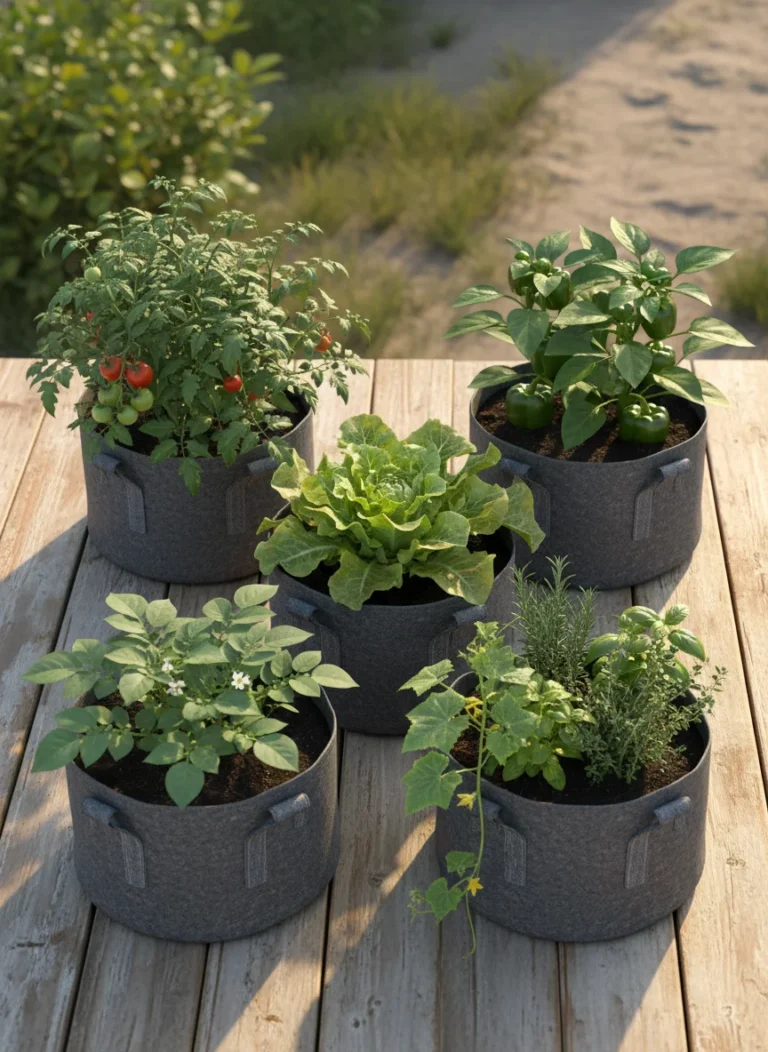
View fabric grow bags with drainage on Amazon
Cause 3: Underwatering and Drought Stress
Underwatering causes a different pattern. Leaves curl inward and downward as the plant physically reduces its surface area to slow water loss through transpiration. The soil will feel dry or powdery at two inches depth. In severe cases the whole plant looks wilted rather than just the leaves being misshapen.
How to Fix It
Water deeply until the excess drains freely from the drainage holes. Do not just wet the top layer of soil. Roots sit throughout the pot and need the whole root zone to be moistened.
In containers, consistent moisture is more important than the precise amount you apply on any given day. Checking daily in warm weather and watering when the top inch is dry prevents the cycle of drought stress and overcompensation that keeps plants perpetually stressed.
Mulching the soil surface with a thin layer of compost or straw slows evaporation and reduces how quickly containers dry out, particularly useful in warm weather.
Cause 4: Heat Stress
On the hottest days of summer, pepper leaves curl upward in a cupping motion as the plant tries to reduce the leaf surface area exposed to direct sun and heat. This is a temporary, protective response and not a sign of permanent damage.
How to Tell It Is Heat Stress
The key identifier is timing. Leaves that cup upward during the hottest part of the afternoon but flatten out again by evening are responding to heat rather than signaling a chronic problem. All plants in a given area will show the response simultaneously if heat is the cause, rather than just one plant or one section of a plant.
How to Fix It
Water more deeply during hot periods to help the plant maintain internal moisture levels. Moving containers to a position with afternoon shade during peak summer heat significantly reduces the stress response. A single layer of shade cloth over the most exposed plants can make a noticeable difference during heat waves.
Do not try to correct heat curl with extra fertilizer. The plant does not need feeding. It needs cooler conditions and consistent moisture.
Cause 5: Nutrient Deficiencies
Nutrient problems cause specific types of curl that look different from pest damage or water stress. Calcium deficiency causes young leaves to curl, pucker, or develop distorted edges. Potassium deficiency causes older leaves to curl upward with yellowing along the margins. Magnesium deficiency shows up as interveinal yellowing with slight curling, meaning the tissue between the leaf veins turns yellow while the veins themselves stay green.
How to Fix It
A soil test gives you definitive information. Without one, a balanced liquid fertilizer covers most common deficiencies in the short term.
For calcium specifically, a foliar spray of calcium-magnesium fertilizer applied directly to the leaves provides the fastest correction because calcium moves slowly through the plant from roots to new growth. Epsom salt solution, one tablespoon per gallon of water, applied as a foliar spray corrects magnesium deficiency within a week or two.
Switching to a high-potassium fertilizer once flowers appear also prevents the potassium deficiency that often develops during the fruiting stage when the plant has high potassium demand.
View calcium magnesium fertilizer on Amazon
Cause 6: Overfertilizing With Nitrogen
Too much nitrogen is a less obvious cause of leaf curl that many gardeners overlook. Heavy nitrogen feeding pushes lush, fast leafy growth. This growth is soft, vulnerable tissue. It curls downward, looks unusually dark green, and attracts pest pressure because the soft tissue is easier to feed on.
If you have been fertilizing generously with a high-nitrogen product and the leaves are curling downward with a dark, almost overdeveloped appearance, overfertilizing is the likely cause.
Ease off nitrogen feeding for two to three weeks. Water the container more heavily than usual to flush some of the excess salts from the soil. Then switch to a balanced or high-potassium formula going forward.
Cause 7: Viral Disease
Viral infections cause curling that looks similar to pest damage but comes with additional symptoms that make it identifiable. Tobacco mosaic virus and pepper mottle virus both cause leaf curl combined with mosaic-pattern discoloration, mottled yellow and green patches on leaves, stunted growth, and sometimes distorted fruit.
What to Do
There is no cure for viral infection in pepper plants. The important thing is to confirm it is actually a virus before removing plants, because viral symptoms are sometimes confused with severe nutrient deficiency or pest damage at first glance.
Rule out all other causes first. If the plant shows curling plus mottled discoloration, distorted new growth, and stunted overall development despite good care, viral disease is likely. Remove infected plants completely and do not compost them. Sanitize tools with diluted bleach solution after handling affected plants.
Control aphids and whiteflies aggressively on remaining plants because these insects are the primary vectors that spread pepper viruses from plant to plant.
How to Diagnose the Problem Quickly
If you are not sure what you are looking at, work through these questions in order.
Check the direction of curl first. Upward cupping points to heat stress or potassium deficiency. Downward curling points to overwatering, underfeeding, or nitrogen excess.
Check the leaf undersides next. Visible insects, honeydew, stippling, or webbing points directly to pests. No visible insects suggests an environmental or nutritional cause.
Check the timing. If curl appears only during the hottest part of the day and resolves by evening, heat stress is the answer. If curl is present morning and evening and getting progressively worse, the cause is something that needs treating.
Check the soil moisture. Two inches down, the soil should feel lightly damp but not wet. Dry and powdery means underwatering. Cold and wet means overwatering or drainage problems.
When Curled Leaves Will Recover
Leaves that have already curled from pest feeding or environmental stress will generally not uncurl once damaged. The leaf cells that developed abnormally do not restructure themselves.
Recovery shows in the new growth. Within 7 to 14 days of addressing the correct cause, new leaves should emerge flat and healthy. That new growth is your confirmation that the problem is resolved, not the appearance of the original damaged leaves.
Frequently Asked Questions
Will pepper leaves uncurl on their own after fixing the problem? Existing curled leaves typically stay that way. The damage to the leaf tissue is already done. What you are watching for is healthy flat new growth emerging after you address the cause. Give it 7 to 14 days and look at the new growth rather than the affected leaves.
Can I have more than one cause at the same time? Yes, and it is more common than most guides suggest. A plant stressed by heat becomes more vulnerable to pest attack. Overwatering leads to nutrient deficiency because waterlogged roots cannot absorb minerals properly. Address the most obvious cause first, then reassess after a week.
Should I remove the curled leaves from my pepper plant? Only remove leaves if you have confirmed viral infection. For all other causes, removing leaves stresses the plant further and removes photosynthetic capacity it needs to recover. Leave them in place and monitor new growth instead.
My peppers are in containers and the leaves curl every afternoon in summer. Is that normal? Some afternoon leaf cupping in hot weather is a normal protective response, especially in containers which heat up faster than ground beds. If the leaves flatten by evening, the plant is coping adequately. Provide afternoon shade and water consistently to reduce the stress response during peak heat.
How do I prevent pepper leaf curl from happening in the first place? Consistent watering is the single most effective prevention. Most curling problems trace back to irregular moisture, whether too much or too little. Beyond that, a preventive neem oil spray every two weeks keeps pest populations below the threshold that causes visible damage.
Final Thoughts
Pepper leaves curl for a reason, and most of those reasons are solvable with simple adjustments. Start by reading the direction and pattern of the curl, check the leaf undersides for pests, then check the soil moisture. Those three steps will identify the cause in the majority of cases.
For the pest-related causes, insecticidal soap and neem oil handle most situations effectively. For the environmental causes, watering adjustments and shade management are usually all that is needed. For viral disease, early removal and pest control on remaining plants is the most important response.
For more on organic pest solutions that work across your whole vegetable garden, read our complete guide to the 7 Best Organic Pesticides for Vegetable Gardens (Safe & Effective). And if container pepper growing is your focus, everything about soil, watering, and care from planting to harvest is covered in our how to grow peppers in containers guide.