

Can You Leave Clove Water in Your Hair Overnight? Here Is What Actually Happens.
Disclosure: This article contains affiliate links. As an Amazon Associate, we earn from qualifying purchases at no extra cost to you. We only recommend products we would use ourselves.

Have you ever found yourself standing in front of the mirror, a freshly brewed batch of clove water in hand, wondering if you can just leave this magical elixir in your hair overnight? It’s a common question, and one I get asked a lot. On one hand, you think, “More time means more benefits, right?” On the other, a tiny voice whispers, “Will this irritate my scalp, or somehow damage my hair while I sleep?” You’re not alone in that confusion. Many people are trying to figure out the best way to incorporate natural remedies like clove water into their routine for hair growth and scalp health, and the overnight question often feels like a gamble.
Today, I want to clear up that confusion and give you a direct, honest answer. Yes, you can leave clove water in your hair overnight, but there are some crucial caveats and specific steps you need to follow to ensure it’s safe and beneficial, rather than irritating. My goal here isn’t just to tell you “yes” or “no,” but to explain exactly what happens when you do, how to do it properly, and what to absolutely avoid.
The Truth About Leaving Clove Water in Your Hair Overnight
Let’s dive into what actually unfolds when clove water sits on your scalp and hair for several hours while you sleep. The idea of an overnight treatment is appealing because it suggests prolonged contact, giving the active compounds more time to work their magic. Cloves are packed with eugenol, a powerful antioxidant and anti-inflammatory compound, along with other beneficial nutrients.
When you leave clove water on your scalp overnight, you’re essentially allowing a longer period for these compounds to potentially penetrate the scalp and hair follicles. This extended exposure can enhance the anti-inflammatory benefits, soothe an irritated scalp, and potentially stimulate blood circulation, which is often linked to hair growth. Many natural remedies rely on this longer absorption time.
However, prolonged exposure also carries risks. Clove, especially in higher concentrations, can be potent. Your scalp is delicate, and leaving a strong solution on it for hours can lead to irritation, dryness, or an uncomfortable tingling sensation. Think of it like a strong tea bag steeping for too long; the resulting brew can be much more intense. This is why understanding concentration and your own scalp sensitivity is absolutely critical.
Is It Safe for Your Scalp? Patch Testing is Non-Negotiable
Before you even think about an overnight application, or really any new topical treatment, a patch test is your best friend. I cannot stress this enough. Your skin is unique, and what works wonderfully for one person might cause a reaction for another. This is especially true with potent natural ingredients like clove.
How to do a proper patch test:
1. Prepare your clove water: Make it exactly as you intend to use it for an overnight application – this means properly diluted.
2. Choose a discreet skin area: I recommend applying a small amount to the skin behind your ear, or on the inside of your forearm. These areas are sensitive enough to show a reaction but aren’t as visible as your face or neck.
3. Apply a small amount: Dab a tiny bit of the clove water onto the chosen spot.
4. Wait and observe: Leave it on for at least 24 hours. Don’t wash it off during this time.
5. Look for reactions: Check for any redness, itching, burning, swelling, or irritation. If you see any of these signs, even a mild one, do not use clove water overnight on your scalp.
If you pass the patch test without any issues, that’s a good sign. It means your skin can likely tolerate the diluted clove water for a longer period. However, remember that scalp skin can sometimes be more sensitive than skin on other parts of your body, so proceed with caution even after a successful patch test.
How to Safely Use Clove Water Overnight (If You Choose To)
If you’ve done your patch test and are confident in trying an overnight application, here’s my step-by-step guide to doing it safely and effectively. The key here is dilution and gentle application.
1. Proper Preparation: The Right Clove Water Concentration
This is where many people go wrong. For an overnight treatment, you absolutely need a diluted solution.
For a Clove Tea Infusion: Instead of making a very strong decoction, aim for a lighter tea. I usually recommend using 1 tablespoon of whole cloves or 2-3 clove tea bags per 2 cups of hot water.
Let it steep for 15-20 minutes, then strain thoroughly. Allow it to cool completely before use. A darker color doesn’t always mean better; it often just means stronger.
Using Clove Essential Oil: If you’re opting for essential oil, dilution is even more critical. Never apply clove essential oil directly to your scalp. Mix 2-3 drops of clove essential oil with 1 tablespoon of a carrier oil like jojoba, almond, or coconut oil. Then, you can mix a small amount of this diluted oil into a larger quantity of plain water (e.g., 1 teaspoon of the oil mixture into 1 cup of water) to make your “clove water.” This method ensures a very low, safe concentration.
2. Application Method: Focus on the Scalp
Your goal is to get the benefits to your scalp and roots, not necessarily to saturate your entire hair shaft, which could lead to dryness for some hair types.
Use a spray bottle: A fine mist spray bottle is ideal for even distribution. Section your hair and gently spray the clove water directly onto your scalp. Massage it in: After spraying each section, use your fingertips to gently massage your scalp for a few minutes.
This helps improve circulation and ensures the solution is well-distributed.
Avoid over-saturating: Your scalp should feel damp, not dripping wet. Excess moisture overnight can lead to other issues, like mildew smell in your hair or even fungal growth in rare cases, especially if your hair isn’t allowed to breathe.
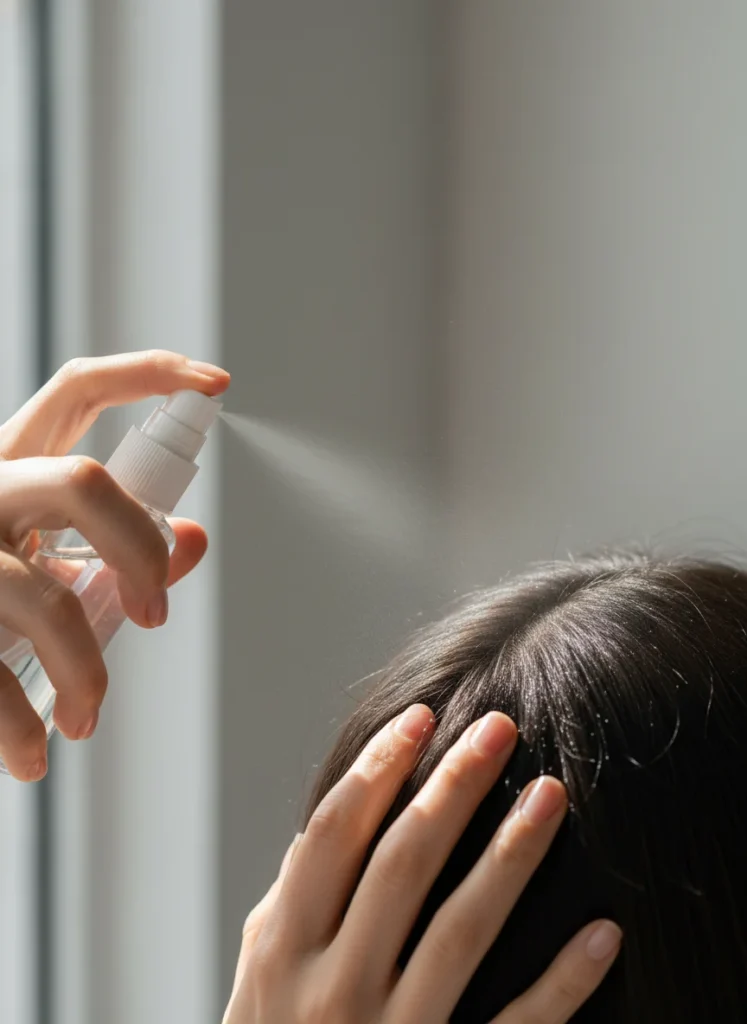
3. Protect Your Hair and Bedding
Once applied, you’ll want to protect your hair and your pillow.
Wear a silk or satin bonnet/cap: This helps keep the moisture in your hair, prevents it from drying out too quickly, and protects your pillowcase from any potential staining (though well-diluted clove water is unlikely to stain). Place a towel on your pillow: As an extra precaution, especially the first few times, lay an old towel over your pillowcase.
4. The Morning Rinse
In the morning, it’s important to rinse your hair thoroughly. Don’t just leave it in for another day.
Rinse with lukewarm water: Use lukewarm water to rinse out the clove water. Shampoo if necessary: Depending on your hair type and how much you applied, you might feel the need to shampoo and condition your hair as usual. For me, a good rinse usually suffices if I’ve been careful with the application amount.
Key Considerations for Overnight Clove Water Application
Beyond the “how-to,” there are a few nuanced points to keep in mind to make your experience as good as possible.
Concentration is Crucial (Revisited): I mentioned this, but it bears repeating. When you’re making your clove water, remember that a strong concoction, while seemingly more effective, is actually more likely to cause issues overnight. For instance, if you’re making a strong decoction for a quick rinse, that’s one thing. For overnight, a milder infusion is far safer. You want sustained gentle contact, not an aggressive blast.
Scalp Sensitivity Varies: Pay close attention to how your scalp feels. If you have an oily scalp, you might find clove water helps balance oil production. If you have a naturally dry or sensitive scalp, you might experience more dryness or irritation. Always listen to your body.
Hair Type Matters: For those with very fine hair, too much overnight moisture or product might weigh it down or make it feel greasy. Coarser, thicker hair might tolerate it better. Observe how your hair responds and adjust your quantity accordingly.
Frequency is Key: Don’t plan on doing this every night. For an overnight treatment, once or twice a week is usually plenty. Over-application, even of a good thing, can lead to diminishing returns or even negative side effects over time. Giving your scalp a break allows it to rebalance naturally.
What to Avoid When Using Clove Water Overnight
Just as important as knowing what to do is knowing what not to do. Skipping these warnings can lead to uncomfortable or even damaging results.
Never Use Undiluted Clove Essential Oil: This is a big one. Clove essential oil is extremely potent and can cause severe skin irritation, burns, or allergic reactions if applied directly or without proper dilution. Always, always dilute it with a carrier oil before even considering mixing it into water.
Do Not Apply to an Irritated or Broken Scalp: If you have any cuts, sores, inflammation, or an active scalp condition (like severe dandruff or eczema flare-up), introducing clove water, especially overnight, can worsen the problem. Wait until your scalp is healthy. This also goes for other natural remedies. For example, when exploring natural anti-inflammatory remedies, it’s always wise to ensure your skin barrier is intact before applying anything new.
Ignoring Adverse Reactions: If you feel any discomfort – itching, burning, excessive tingling, or notice redness – rinse your hair immediately and thoroughly. Don’t try to “power through” it, thinking it’s just part of the process. It’s your body telling you something is wrong.
Leaving it In for Multiple Nights: Clove water is not meant to be a leave-in treatment for days on end. It’s perishable and can lose its efficacy, or worse, encourage bacterial growth if left too long. An overnight application means rinsing it out in the morning.
Over-extracting Cloves for Overnight Use: While a strong decoction can be beneficial for certain short-term applications, creating an extremely concentrated clove water and leaving it on overnight significantly increases the risk of irritation. Stick to the milder infusion method for overnight purposes.
My Go-To Clove Water Routine for Hair Health (When Not Overnight)
While the overnight method can work for some, my personal preference, and what I’ve found to be most consistently effective for a wide range of people, is using clove water as a rinse after shampooing and conditioning, and then rinsing that out. This provides enough contact time for the benefits without the risks associated with prolonged overnight exposure for everyone.
I typically use a slightly stronger infusion for this method, apply it after washing my hair, let it sit for about 5-10 minutes, and then rinse it out with cool water. This approach is gentler, minimizes potential dryness, and still delivers fantastic results for scalp stimulation and hair health. If you’re curious about my full experience and detailed steps for hair growth, I highly recommend checking out my post: Clove Water for Hair Growth: Does It Actually Work? (My 30-Day Test). It delves into the science and my personal results, which might help you decide on your routine.
Common Questions About Clove Water and Overnight Hair Care (FAQ)
Here are some frequently asked questions that come up when discussing leaving clove water in your hair overnight.
How often can I leave clove water in my hair overnight? I recommend limiting overnight application to once or twice a week at most. This gives your scalp time to rest and prevents over-exposure, which could lead to dryness or irritation. Consistency over intensity is always a better approach for long-term hair health.
What if my scalp starts to itch or burn after applying clove water overnight? Immediately rinse your hair thoroughly with cool water. Do not try to scratch or apply more products. This is a sign that your scalp is reacting negatively, likely due to sensitivity or a concentration that was too strong. You might need to dilute your clove water even further or discontinue overnight use.
Does leaving clove water in my hair overnight stain my pillows or sheets? If your clove water is properly diluted and not overly concentrated, staining is unlikely. However, as a precaution, I always suggest using an old towel over your pillowcase or wearing a satin bonnet to bed, especially the first few times you try it.
Can I mix clove water with other ingredients for overnight use? While you can mix it with light carrier oils for a more nourishing treatment, I generally advise against adding too many other potent ingredients for an overnight application, especially when you’re just starting out. Each new ingredient adds another variable that could cause a reaction. Keep it simple initially to understand how your scalp responds to the clove water itself. If you’re interested in anti-inflammatory effects, stick to the clove water. Other ingredients could dilute its efficacy or introduce new sensitivities.
Is clove water beneficial for scalp inflammation if left overnight? Clove contains eugenol, which has known anti-inflammatory properties, so it can certainly help soothe an inflamed scalp. However, if the inflammation is severe or due to an underlying condition, leaving clove water on overnight might be too intense and could exacerbate the issue. Always perform a patch test, ensure proper dilution, and consult a dermatologist if you have persistent scalp inflammation. For broader information on natural anti-inflammatory remedies, you can explore resources like 7 Natural Remedies for Inflammation Doctors Rarely Mention (Backed by Studies), but remember to always consider topical vs. internal applications.
Conclusion
So, can you leave clove water in your hair overnight? The nuanced answer is yes, with careful consideration and proper technique. It’s not a one-size-fits-all solution, and your scalp’s individual response is the ultimate guide. The potential benefits of prolonged absorption are there, but they come with a responsibility to prioritize safety and avoid common pitfalls.
Always start with a patch test, ensure your clove water is diluted appropriately, and listen carefully to your scalp. If you’re new to using clove water, or if you have a sensitive scalp, I’d suggest starting with a shorter contact time, like a rinse-out treatment, before committing to an overnight application. Experiment responsibly, pay attention to how your hair and scalp react, and you’ll be well on your way to harnessing the natural power of cloves for your hair health journey.