7 Best Herbs to Grow in Small Pots Indoors (No Garden Needed)
Disclosure: This article contains affiliate links. As an Amazon Associate we earn from qualifying purchases at no extra cost to you. We only recommend products we would use ourselves.
7 Best Herbs to Grow in Small Pots Indoors (No Garden Needed)
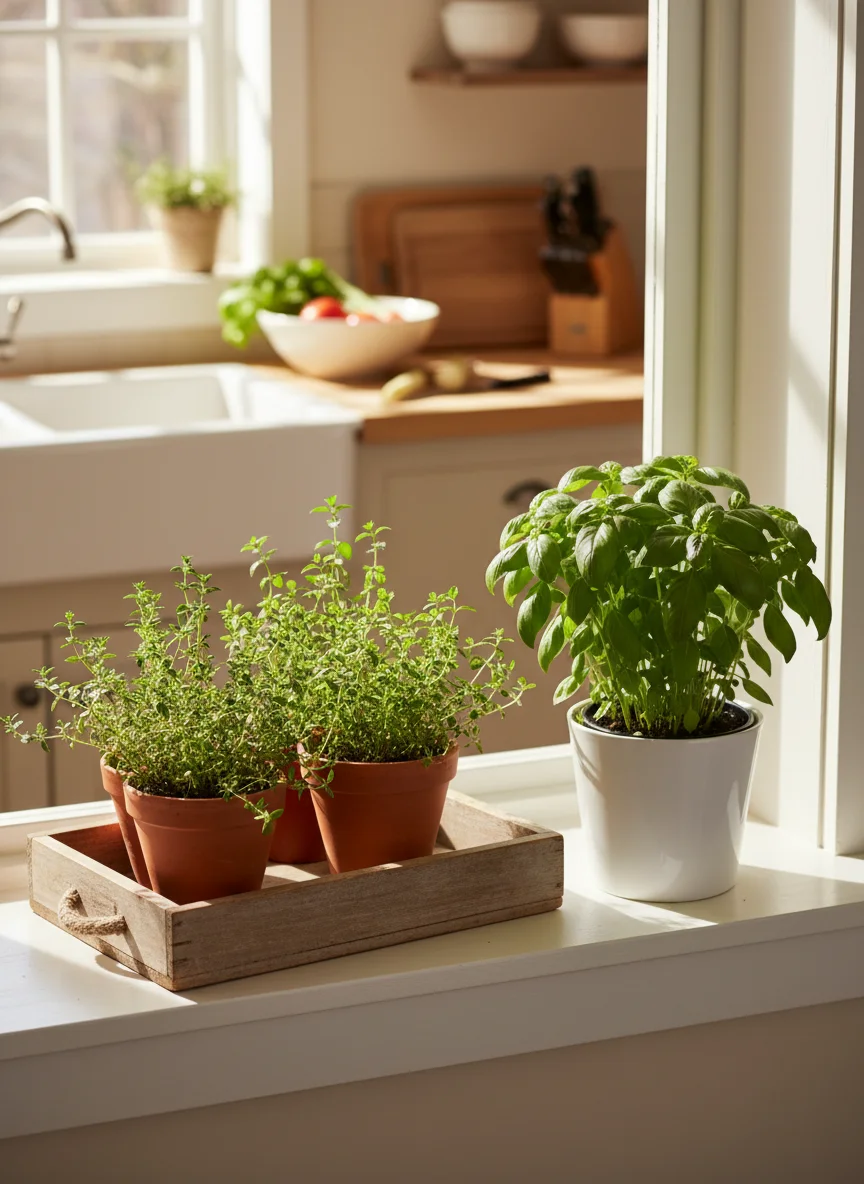
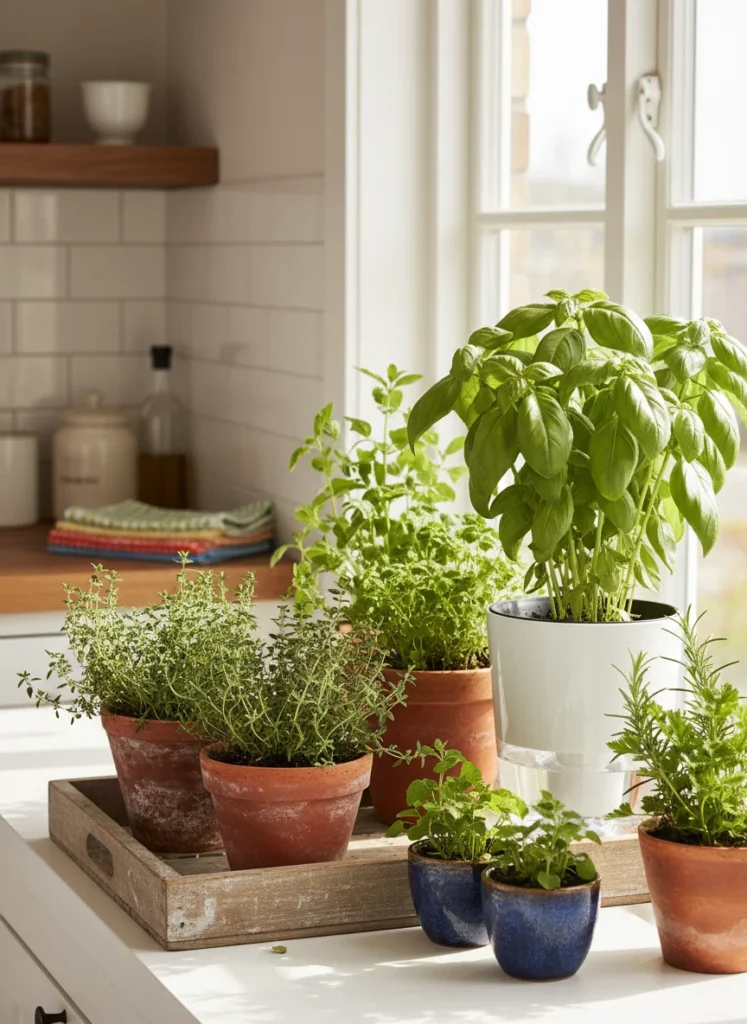
Imagine snipping fresh, fragrant herbs right from your kitchen counter, adding that perfect touch to your homemade dishes. The dream of a lush herb garden often feels out of reach for those of us living in apartments or homes without ample outdoor space. Perhaps you have a tiny balcony, or maybe your only “garden” is a sunny windowsill. The good news is you do not need acres of land or even a backyard to cultivate a thriving collection of culinary herbs. With the right knowledge and a few clever choices, you can easily grow the best herbs to grow in small pots indoors.
The secret to success lies in understanding the herbs themselves, particularly their root systems. Many generic guides simply list herbs without explaining why some truly excel in compact containers while others struggle. Shallow-rooted herbs, like thyme, chives, and oregano, happily nestle into smaller pots, often thriving in vessels just 4 to 6 inches deep. These plants do not need much vertical space for their roots to spread. Conversely, taprooted herbs, such as parsley, require a bit more depth, ideally at least 8 inches, to accommodate their single, downward-growing main root. Selecting herbs that naturally suit a confined root space is the cornerstone of a successful indoor herb garden.
Before we dive into the specific herbs, let us talk about what you will need to get started. A good set of pots is fundamental. Look for options with excellent drainage to prevent root rot, a common killer of indoor plants. A windowsill-ready set like the Barnyard Designs 3-Pot Herb Planter Set offers 4.25-inch pots with drainage holes and a convenient drip tray, making them perfect for starting your indoor herb adventure.
Your Essential Indoor Herb Garden Starter Guide
This quick overview will help you visualize your new indoor herb garden. You can use it as a cheat sheet as you choose your favorites and prepare your growing space.
| Herb | Ideal Pot Size | Light Needs | Difficulty | Common Mistake |
|---|---|---|---|---|
| Basil | 6–8 inches | Full sun (6+ hours) | Easy | Overwatering / cold |
| Chives | 4–6 inches | Full sun (6+ hours) | Easy | Too little water |
| Thyme | 4–6 inches | Full sun (6+ hours) | Easy | Overwatering |
| Mint | 6–8 inches (solo pot) | Partial to full sun | Easy | Spreading aggressively |
| Parsley | 8–10 inches | Partial sun (4–6 hours) | Moderate | Insufficient depth |
| Oregano | 4–6 inches | Full sun (6+ hours) | Easy | Overwatering |
| Rosemary | 6–8 inches | Full sun (6+ hours) | Moderate | Overwatering/cold |
The Best Herbs for Your Indoor Oasis
Let us explore each of these fantastic herbs in detail, understanding their unique needs and how to help them flourish in your home.
1. Basil: The Aromatic King of the Kitchen
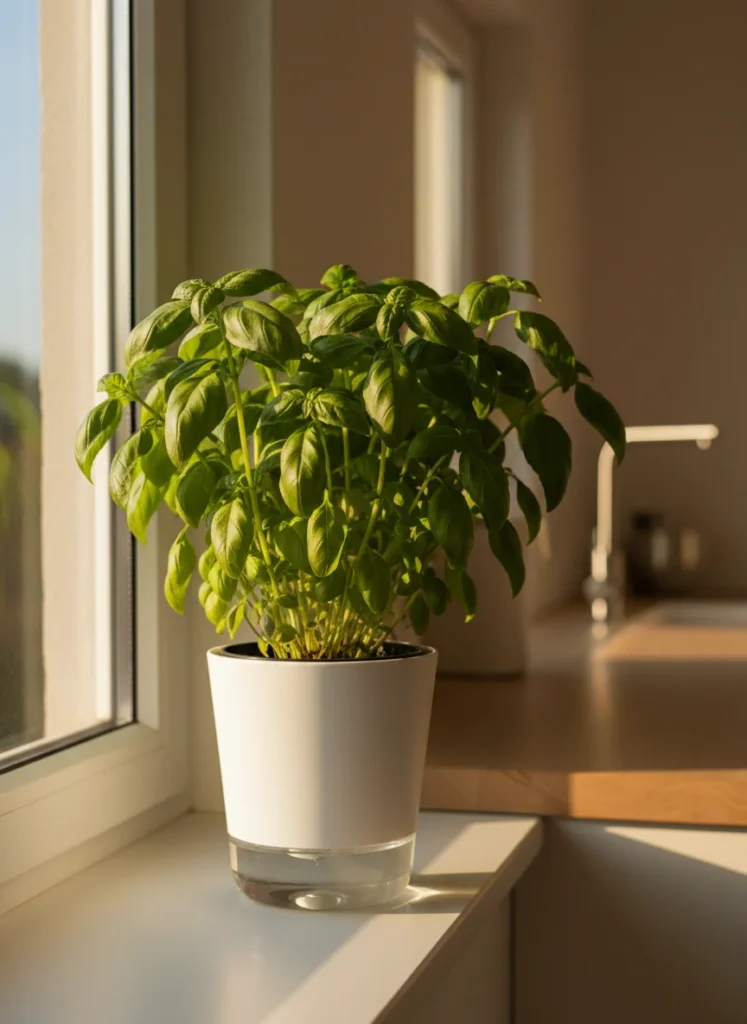
Basil stands as a cornerstone of many cuisines, revered for its pungent, sweet aroma and versatile flavor. This tender annual loves warmth and sunshine, making it an excellent candidate for a bright, south-facing windowsill. Its relatively shallow root system adapts well to containers, allowing you to enjoy fresh leaves year-round. Growing basil indoors provides a continuous supply for pestos, pizzas, and pasta dishes, a delightful luxury no store-bought herb can match. If you want to dive deeper into growing this fantastic herb, you can explore How to Grow Basil Indoors on a Windowsill (Even in a North-Facing Room) for more tips.
Ideal Pot Size: Basil thrives in pots roughly 6 to 8 inches in diameter. This size provides enough room for its roots to develop and supports a bushy plant. A self-watering pot can be particularly beneficial for basil, as it helps maintain consistent moisture levels without constant attention, reducing the risk of either underwatering or overwatering, a common beginner mistake. Consider a self-watering pot for your basil to ensure its happiness.
Light Needs: Basil craves sunshine, requiring at least 6 hours of direct sunlight per day. A south-facing window is often ideal, but an east or west-facing window can also work if it receives ample light. If natural light is scarce, supplemental grow lights can ensure vigorous growth.
Common Mistake: Overwatering is a frequent culprit for basil’s demise, but so is letting it dry out completely. Basil prefers consistently moist, but not soggy, soil. Another common error is allowing the plant to flower. Pinching off flower buds encourages the plant to produce more leaves, prolonging your harvest.
Pairs well in the kitchen with: Tomatoes, mozzarella, garlic, olive oil, chicken, and pasta. Think of a Caprese salad, a classic Italian pasta sauce, or a homemade pesto.
2. Chives: The Onion-y Delight
Chives offer a delicate onion-garlic flavor without the intensity of their larger cousins. These slender, grass-like herbs are incredibly easy to grow indoors, forming dense clumps that are a joy to snip. Their shallow root system makes them perfectly suited for smaller pots. Chives are perennials, meaning they will return year after year, offering a continuous supply of their mild, savory leaves for your culinary creations.
Ideal Pot Size: Chives are incredibly forgiving and do very well in 4 to 6-inch pots. A standard terracotta pot with good drainage is an excellent choice, allowing the soil to breathe and preventing waterlogging. Look for small, porous terracotta pots for your chives, which promote healthy root development.
Light Needs: Chives prefer at least 6 hours of direct sunlight daily for robust growth. They can tolerate slightly less, around 4 hours, but their growth may be less vigorous. Place them in your sunniest available spot.
Common Mistake: The most common mistake with chives is allowing them to dry out too much. While they do not like soggy feet, consistent moisture is key to their tender texture and prolific growth. Trim regularly to encourage new shoots.
Pairs well in the kitchen with: Eggs, potatoes, sour cream, fish, and salads. Imagine fresh chives sprinkled over scrambled eggs or a baked potato.
3. Thyme: The Mediterranean Workhorse
Thyme is a wonderfully fragrant herb known for its small, delicate leaves and earthy, slightly floral flavor. This low-growing, woody perennial is incredibly resilient and perfectly suited for small indoor pots. Its shallow roots and preference for well-draining soil make it a fuss-free choice for any sunny windowsill. Thyme adds depth to countless dishes and brings a lovely, subtle aroma to your home.
Ideal Pot Size: Thyme’s shallow root system means it is happy in 4 to 6-inch pots. Like chives, terracotta pots are ideal for thyme, as they help regulate soil moisture and prevent the roots from becoming waterlogged. Pick up some small terracotta pots for your thyme, they provide excellent drainage.
Light Needs: Thyme absolutely loves sunlight, thriving with at least 6 hours of direct sun exposure daily. The more sun it gets, the more flavorful its leaves will be.
Common Mistake: Overwatering is the primary enemy of thyme. It prefers dry conditions between waterings, so allow the top inch or two of soil to dry out completely before watering again. Ensure your pot has excellent drainage.
Pairs well in the kitchen with: Roasted chicken, potatoes, vegetables, stews, and soups. Thyme brings a classic, savory note to any roasted dish.
4. Mint: The Refreshing Powerhouse (in its own pot!)
Mint offers an invigorating aroma and flavor, making it a beloved herb for both culinary and beverage uses. From mojitos to lamb dishes, its versatility is unmatched. However, mint has a notorious reputation for spreading aggressively, which is why it truly shines in a contained environment like an indoor pot. Growing mint indoors allows you to enjoy its fresh leaves without it taking over your entire garden.
Ideal Pot Size: Mint needs space for its vigorous root system, even when contained. An individual pot of 6 to 8 inches in diameter is ideal to prevent it from becoming root-bound too quickly. It is crucial to give mint its own pot; its aggressive runners will quickly overwhelm any other herbs sharing its container. This is a perfect moment to grab a dedicated mint pot to keep it happy and contained.
Light Needs: Mint is quite adaptable, preferring partial sun (about 4 hours of direct light) to full sun (6+ hours). In very hot, intense sun, it might appreciate a little afternoon shade indoors, though most indoor windowsills provide a gentler light.
Common Mistake: The biggest mistake with mint is planting it directly with other herbs or in a garden bed. Its invasive nature will quickly choke out neighboring plants. Always give mint its own dedicated container. Consistent moisture is also important; mint does not like to dry out.
Pairs well in the kitchen with: Cocktails, teas, lamb, chocolate, and fruit salads. A sprig of fresh mint elevates nearly any drink or dessert.
Quick Setup: Everything You Need to Start Your Indoor Herb Garden
Getting your indoor herb garden off the ground is exciting, and having the right tools makes all the difference. Here are some key items to ensure a successful start, all designed to make your gardening journey easy and rewarding.
First, you need quality pots. A charming and functional set like the PERFNIQUE 3-Pot Metal Herb Planter Set offers an attractive way to display your herbs on a windowsill while ensuring proper drainage. These kinds of sets are perfect for shallow-rooted herbs like thyme, oregano, and chives.
Next, the right soil makes a significant impact on your herbs’ health. A high-quality, peat-free potting mix with perlite provides excellent drainage and aeration, crucial for preventing root rot and supporting strong growth. Choosing a good potting mix is just as important for herbs as it is for larger container vegetables. For comprehensive advice on selecting the best medium, you might want to check out our guide on Best Soil for Container Vegetables: What I Use and Why. A good option to consider is a specialized organic potting mix designed for indoor plants, which often includes beneficial microbes.
Finally, starting your herbs from seed can be a rewarding and cost-effective approach. A comprehensive herb seed starter kit often includes a variety of popular herbs, along with planting instructions and everything else you need to germinate your seeds successfully. These kits are perfect for beginners and offer a wide selection to kickstart your collection.
5. Parsley: The Versatile Garnisher
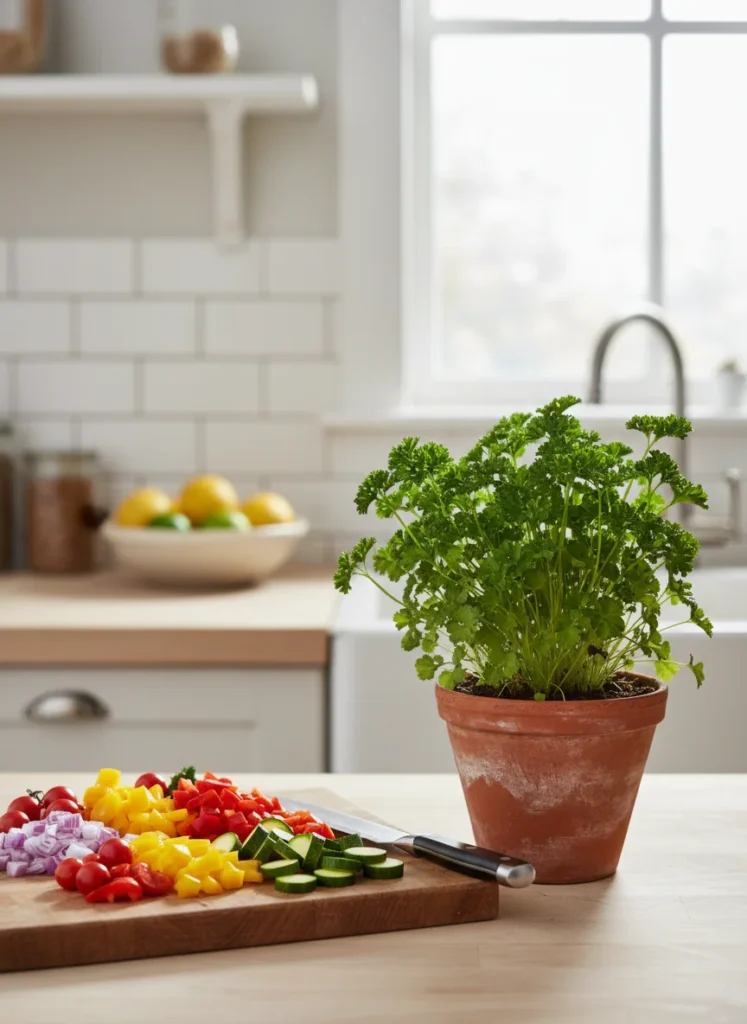
Parsley, with its bright green leaves and fresh, slightly peppery flavor, is a culinary staple. Both flat-leaf (Italian) and curly parsley varieties grow well indoors, though flat-leaf often offers a stronger flavor. Parsley is a biennial, meaning it lives for two years, producing leaves in the first year and then flowering and setting seed in the second. Growing parsley indoors provides a consistent supply for garnishes, sauces, and fresh salads.
Ideal Pot Size: Parsley develops a taproot, which means it prefers a deeper pot than many other herbs. Choose a pot at least 8 to 10 inches deep to accommodate this root system. A self-watering pot works well for parsley, helping maintain the consistent moisture it enjoys without leading to waterlogging.
Light Needs: Parsley thrives in partial sun, needing about 4 to 6 hours of direct sunlight daily. It can tolerate full sun, but in very intense light, its leaves might yellow slightly. An east or west-facing window often provides ideal conditions.
Common Mistake: The most common mistake with parsley is using a pot that is too shallow. Its taproot needs room to grow downwards, and restricting this can lead to stunted growth and yellowing leaves. Also, be patient with seed germination, as parsley seeds can take several weeks to sprout.
Pairs well in the kitchen with: Fish, chicken, vegetables, soups, and stews. It serves as a fresh garnish or a vibrant ingredient in sauces like chimichurri.
6. Oregano: The Pungent Mediterranean Favorite
Oregano, with its robust, earthy flavor and slightly spicy notes, is a beloved herb in Mediterranean and Mexican cuisines. This hardy perennial boasts a relatively shallow root system, making it an excellent candidate for small indoor pots. Growing oregano indoors means you always have fresh sprigs to enhance your pizzas, pasta sauces, and grilled meats. It is also quite drought-tolerant, forgiving if you occasionally forget to water.
Ideal Pot Size: Oregano does very well in 4 to 6-inch pots. Like thyme, it prefers well-draining soil, so a standard terracotta pot with a drainage hole is an excellent choice. These porous pots help prevent the soil from retaining too much moisture, which oregano dislikes. Utilize classic terracotta pots for your oregano to ensure good aeration.
Light Needs: Oregano is a sun-worshipper, requiring at least 6 hours of direct sunlight daily to develop its most intense flavor. Place it in your brightest window, preferably south-facing.
Common Mistake: Similar to thyme, overwatering is the biggest threat to oregano. Allow the soil to dry out almost completely between waterings. Its leaves might even slightly wilt before needing water, signaling it is time for a drink.
Pairs well in the kitchen with: Pizza, pasta sauces, Greek salads, grilled meats, and roasted vegetables. Its flavor truly shines when cooked into dishes.
7. Rosemary: The Resinous Aromatic
Rosemary, with its distinct piney aroma and woody stems, brings a touch of the Mediterranean landscape indoors. This evergreen shrub is perfect for indoor cultivation, provided it receives ample light and good air circulation. While it can grow quite large outdoors, you can keep rosemary compact indoors with regular pruning. Its robust flavor is fantastic with roasted dishes and adds an inviting scent to your home.
Ideal Pot Size: Rosemary needs a pot that is slightly larger to accommodate its woody root system, even if kept small through pruning. A 6 to 8-inch pot will give it enough space to thrive. Ensure the pot has excellent drainage, as rosemary absolutely detests wet feet. A terracotta pot or a similar well-draining container is best. You can find robust, breathable terracotta pots in this size range.
Light Needs: Rosemary demands full sun, needing at least 6 to 8 hours of direct sunlight daily to truly flourish indoors. A south-facing window is essential for success. If you do not have adequate natural light, a grow light becomes almost a necessity for this herb.
Common Mistake: Overwatering is the most common killer of indoor rosemary. It thrives in drier conditions and good air circulation. Another mistake is insufficient light, which leads to leggy growth and weak flavor. Additionally, rosemary often struggles with low humidity, so occasional misting can help in dry indoor environments.
Pairs well in the kitchen with: Roasted lamb, chicken, potatoes, and bread. A sprig of fresh rosemary can elevate a simple roast to gourmet status.
No Sunny Windowsill? This Won’t Stop You!
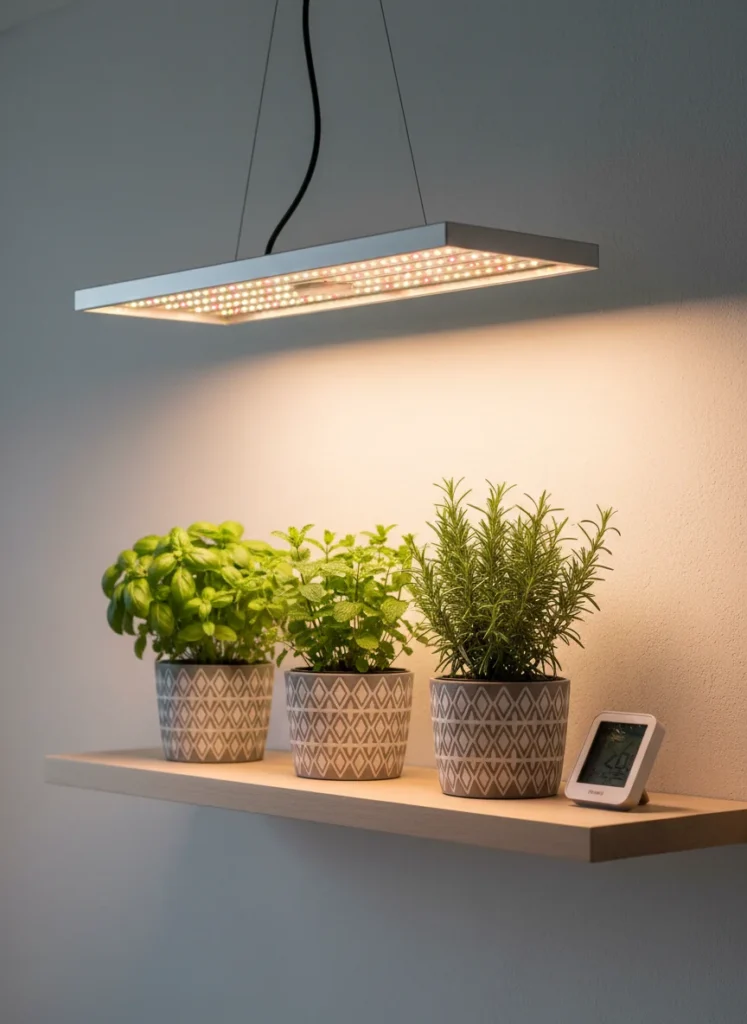
What if your home lacks abundant natural light? Do not despair. Modern gardening solutions allow anyone to grow herbs indoors, regardless of their window situation. Supplemental lighting can turn a dim corner into a thriving herb garden. A simple clip-on grow light provides focused light for individual plants, or for a more comprehensive setup, consider an AeroGarden Harvest or a similar LED grow light system. These systems provide the full spectrum of light your herbs need, ensuring strong, healthy growth even in the darkest rooms. Investing in a good grow light ensures your herbs receive consistent illumination, crucial for their flavor and vigor.
Frequently Asked Questions About Growing Herbs Indoors
Q: How often should I water my indoor herbs?
A: Watering frequency depends on the herb, pot size, and indoor conditions. Generally, you should check the soil moisture daily. For herbs like thyme and oregano, allow the top inch or two of soil to dry out before watering. Basil and mint prefer more consistent moisture, so keep their soil evenly moist but not waterlogged. Always ensure pots have drainage holes to prevent root rot.
Q: What is the best type of soil for indoor herbs?
A: Use a high-quality, well-draining potting mix specifically formulated for indoor plants or containers. Look for mixes that include perlite or vermiculite to improve drainage and aeration. Avoid using garden soil, which can compact in pots and introduce pests or diseases. A good potting mix provides the optimal environment for healthy root development.
Q: Can I grow herbs from seeds indoors?
A: Absolutely! Growing herbs from seeds indoors is a rewarding and cost-effective method. Basil, parsley, and chives are particularly easy to start from seed. Follow the instructions on the seed packet for planting depth and germination temperatures. Using a seed starting tray or small biodegradable pots can give your seedlings a strong start.
Q: Why are my indoor herb leaves turning yellow?
A: Yellowing leaves often indicate an issue with watering or nutrient deficiency. Overwatering is a common cause, as it starves roots of oxygen. Underwatering can also cause yellowing and wilting. Check the soil moisture carefully. Other causes might include insufficient light, lack of nutrients, or an unsuitable pot size. Ensure your plant is in the correct pot size, receiving adequate light, and getting proper moisture.
Q: How do I harvest my indoor herbs without killing the plant?
A: Harvest herbs regularly to encourage bushier growth. For leafy herbs like basil, parsley, and mint, pinch or snip off the top few sets of leaves, just above a leaf node. For woody herbs like thyme, oregano, and rosemary, snip off the tender new growth at the tips of the stems. Never remove more than one-third of the plant at once. Consistent, light harvesting keeps the plant productive and healthy.
Conclusion: Your Indoor Herb Garden Awaits
Cultivating an indoor herb garden is a wonderfully rewarding experience, transforming your kitchen into a source of fresh flavors and delightful aromas. By understanding the unique needs of each plant, especially their root systems, you can confidently choose the best herbs to grow in small pots indoors. From the shallow-rooted resilience of thyme and oregano to the taproot needs of parsley, selecting the right pot size and providing adequate light are your keys to success.
No longer does a lack of outdoor space limit your culinary ambitions. With a few carefully chosen pots, the right soil, and perhaps a helpful grow light, you can enjoy a continuous supply of fresh basil for your pesto, chives for your eggs, and rosemary for your roasts. Start small, learn from your plants, and soon you will have a flourishing indoor herb garden that brings joy and flavor to your home every single day. Embrace the greenery, savor the freshness, and elevate your cooking with your very own homegrown herbs.
Everything You Need to Get Started
| Product Category | Recommendation |
|---|---|
| Pots | Barnyard Designs 3-Pot Herb Planter Set (or PERFNIQUE 3-Pot Metal Herb Planter Set) |
| Soil | Organic Potting Mix with Perlite |
| Seeds | Spade to Fork Organic Herb Growing Kit |
| Light | AeroGarden Harvest (or clip-on LED grow light) |